
Last Updated – July 2026
As a mobile sports and therapeutic massage therapist in York, I see a huge number of clients with stubborn lower back pain that just won’t go away, even after rest, stretching, or regular physio.
In many of these cases, the real problem is not the lower back itself. It’s a weak or tight gluteus medius, which is the important stabilising muscle on the side of your hip. When this muscle isn’t working properly, the lower back and pelvis have to compensate, leading to pain, tightness, and poor movement.
Having overcome my own 30+ years of chronic lower back pain, and with qualifications in sports massage and Advanced Personal Training, I’ve become very good at identifying and treating gluteus medius-related lower back issues. Many clients are surprised when I show them how much their “back problem” is actually coming from their glutes.
In this article, I explain why the gluteus medius is so often the hidden cause of lower back pain and exactly how I treat it with targeted sports massage and corrective work here in York.
Table Of Contents
What Is The Gluteus Medius
The gluteus medius is a very important muscle that sits on the side of your hip, underneath the larger gluteus maximus (your main buttock muscle). Its main jobs are to:
- Move your leg out to the side (abduction)
- Stabilise your pelvis when you’re walking, running, or standing on one leg
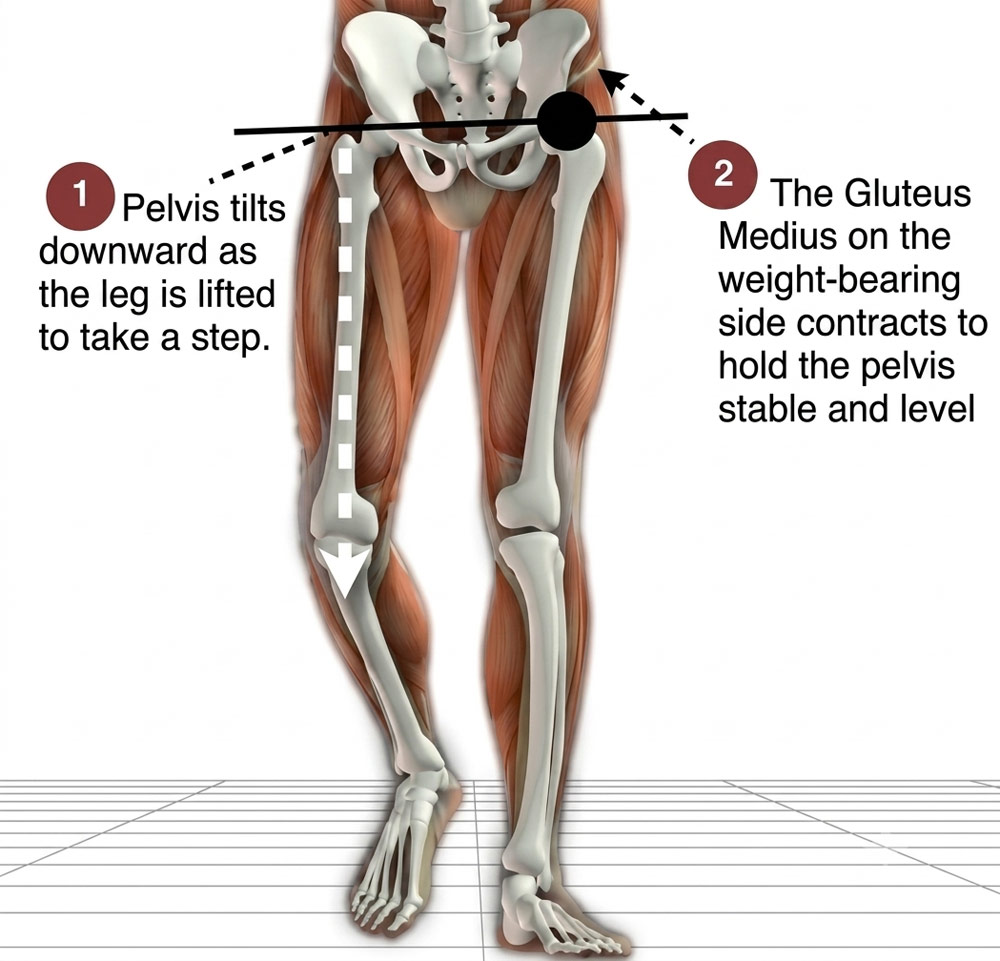
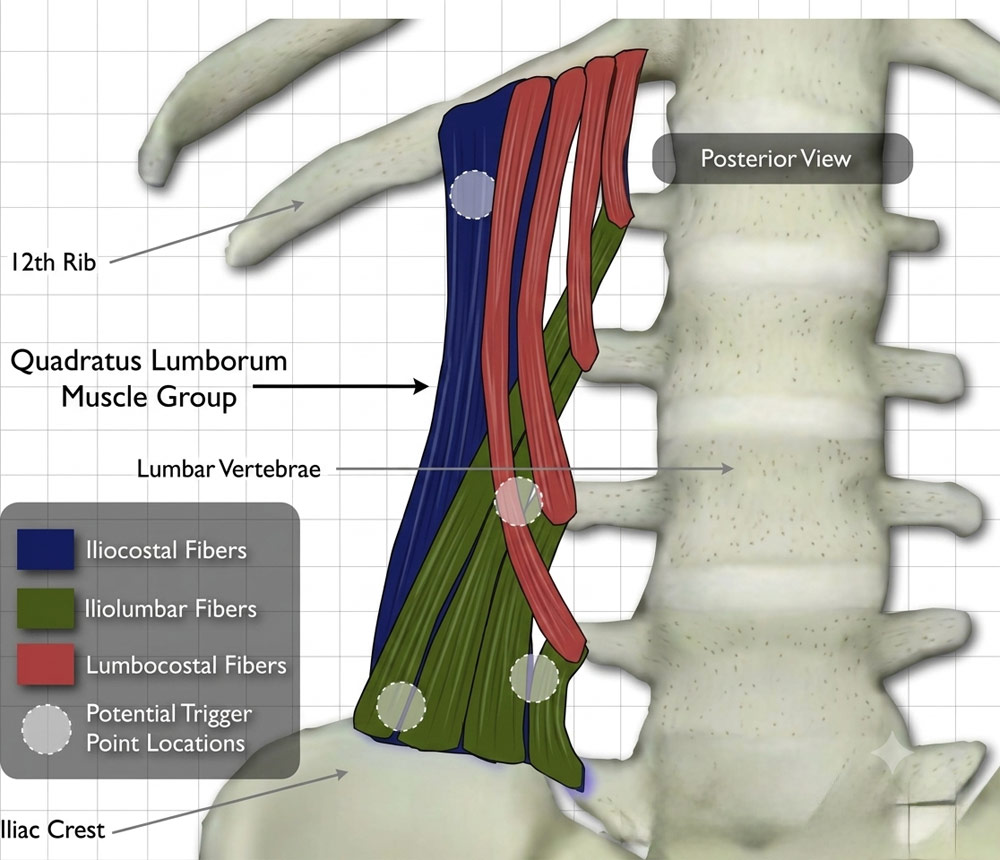
When this muscle is working properly, it keeps your pelvis level and helps your hips move smoothly. When it becomes weak, tight, or tired, it can cause your pelvis to drop or tilt, forcing your lower back muscles (especially the quadratus lumborum or QL) to overwork to compensate.
Problems can be caused by anything that involves you bending forward, especially while twisted or lifting something heavy. This could be in the gym or something like using a spade in the garden. Anything that puts more strain on one side than the other. The damage can also be done over longer periods, which is more likely if you lean or twist when sitting or jog on a road with a camber.
How Does The Gluteus Medius Cause Lower Back Pain
This is one of the most common patterns I see in clients with stubborn lower back pain in York. When your gluteus medius isn’t doing its job properly, whether from tightness, weakness, or fatigue, your body has to find another way to stabilise your pelvis with every step you take. The muscle that usually ends up doing the extra work is the quadratus lumborum (QL) in your lower back.
The QL is not designed to do this job for long periods. When it’s forced to compensate, it becomes tight, overworked, and painful. This is why many people feel their lower back pain is worse on one side, or why the pain keeps returning even after stretching or massaging the lower back.
In my experience, a huge number of lower back problems are actually incorrectly diagnosed gluteus medius issues. Treating only the lower back gives temporary relief at best. Real, lasting improvement usually comes when we properly address the gluteus medius and the surrounding muscles.
Pain In Your Gluteus Medius
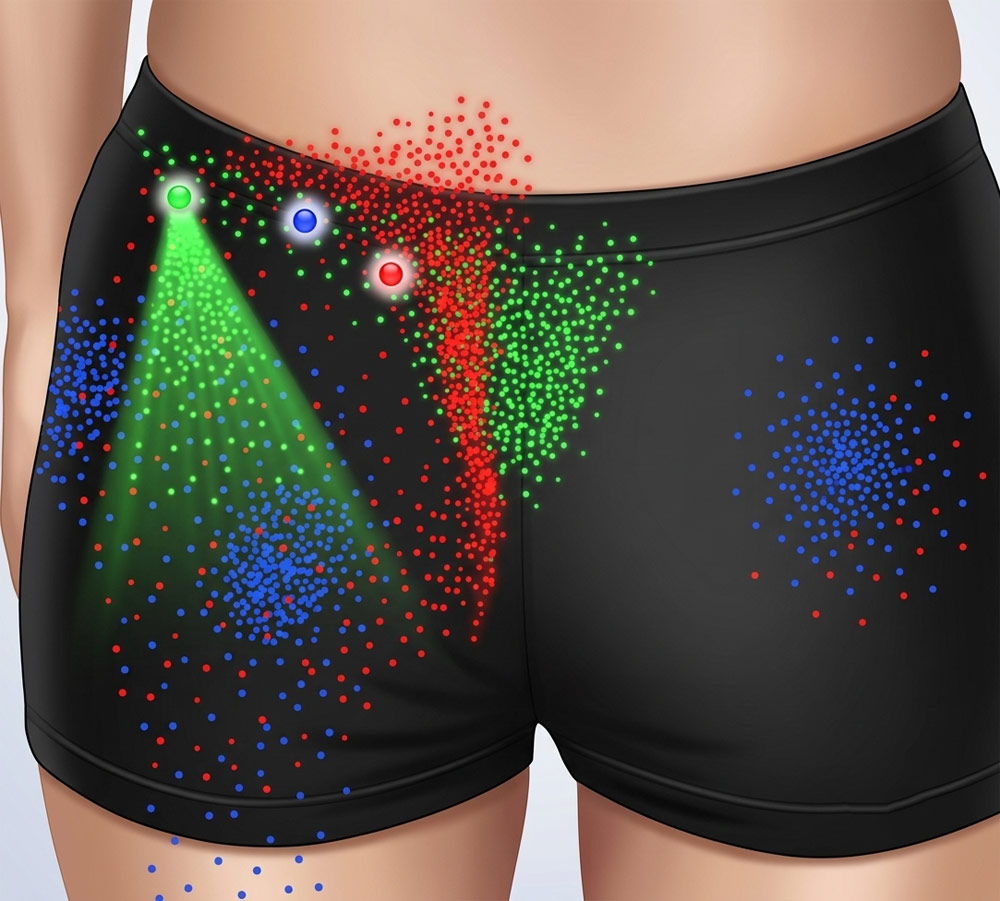
Although the gluteus medius is often the root cause of lower back pain, many people don’t actually feel pain directly in the muscle itself. This is because the lower back (particularly the quadratus lumborum or QL) ends up doing the extra work the gluteus medius should be doing. The QL is not designed for this, so it becomes tight, inflamed, and painful.
When pain is felt in the gluteus medius area, it is most commonly felt along the belt line, up into the lower spine, or just below the hip. Some clients also feel it deep in the buttock or radiating into the top of the leg, but very rarely is the pain felt directly over the tailbone(1).
How I Treat Lower Back Pain Caused By Your Gluteus Medius
If the gluteus medius is involved (which it very often is), I never treat just the lower back. That approach usually only gives short-term relief.
Instead, I work on both areas together:
- Deep release of the tight gluteus medius and surrounding hip muscles
- Release of the overworked quadratus lumborum and erector spinae in the lower back
- Gentle mobility work to restore proper pelvic movement
After the massage I show you specific gluteus medius activation exercises (many of which are simple enough to do at home) so the muscle starts working properly again. This stops the lower back from having to compensate.
Many clients who previously had lower back massages that gave only temporary improvements get longer-lasting relief once we properly address the gluteus medius. If originally caused by poor posture or prolonged sitting this should also be dealt with, along with strengthening the muscles.
Frequently Asked Questions
Common signs include lower back pain that is worse on one side, pain along the belt line, pain that gets worse after standing or walking for long periods, or lower back pain that keeps returning even after stretching or massage. During your first session I can assess whether your gluteus medius is weak, tight, or underactive and is contributing to your pain.
Absolutely. Not only is it very common but my own back pain was chronic because this issue was never addressed until I diagnosed and treated it myself. When the gluteus medius isn’t doing its job of stabilising the pelvis, the lower back muscles have to overwork to compensate. This is one of the most frequent patterns I see in clients with recurring lower back pain in York.
Many clients feel some relief after the first session. For noticeable and longer-lasting improvement I usually recommend 3–6 sessions, depending on how long you’ve had the issue and how active you are. We can also work on strengthening the gluteus medius so the improvements last long term.
I always work within your comfort level. The gluteus medius and QL can be quite tender when they’ve been overworked, so some areas may feel intense at first, but it should feel like a therapeutic “nice pain” rather than sharp or unpleasant. I check with you regularly and adjust pressure as needed.
Usually not. I’ll give you honest advice after assessing you. Most clients can continue training with some modifications, such as temporarily reducing heavy squats, deadlifts, or running distance, while we work on releasing the tight muscles and activating the weak ones.
After treatment these muscles are looser and your pelvis is better aligned. Driving or sitting in a car straight afterwards can cause the muscles to tighten up again quickly. Having the session at home allows you to rest properly, do gentle movement, or apply heat if needed, which helps the results last longer.
Yes, this is a big part of the long-term solution. Releasing the tight muscles gives you relief, but teaching the gluteus medius to work properly again, through targeted activation exercises, helps prevent the lower back from having to compensate. Many of my clients find their lower back pain becomes much less frequent or disappears for good once their glutes are stronger and functioning better.
It’s rarely too late. Even long-term issues often respond well once we release the tight compensatory muscles and properly activate the gluteus medius. I treated my own lower back pain after suffering for over 30 years and haven’t had any issues since.
Summary
Lower back pain is incredibly common, but in many cases the real problem is not actually in the lower back, it’s a weak, tight, or underactive gluteus medius.
When this important stabilising muscle isn’t working properly, the lower back (especially the QL) is forced to compensate, leading to tightness, pain, and recurring issues. Treating only the lower back usually brings only temporary relief.
My approach focuses on releasing the tight gluteus medius and surrounding hip muscles while also calming the overworked lower back. I then give you simple, targeted exercises to strengthen and reactivate the gluteus medius so the problem is less likely to return.
Many clients in York who had been struggling with stubborn lower back pain for months or years finally get meaningful, longer-lasting relief once we properly address the gluteus medius.
If you’re tired of recurring lower back pain and want to understand and fix the root cause, I’d be happy to help with a personalised mobile sports massage at your home.
Book A Mobile Massage For Gluteus Medius & Lower Back Pain
If nagging lower back tightness, pelvic imbalance, or one-sided hip ache keeps returning despite rest and stretching, targeted massage on the gluteus medius and QL can help address the true root cause.
I provide a fully equipped mobile sports, deep tissue, and rehabilitation massage service across York and surrounding areas, bringing thorough movement assessments, targeted muscular release, and simple activation drills directly to your home. Receiving treatment in your own living space keeps your hip stabilisers and lumbar muscles completely unweighted, allowing your pelvis to remain balanced without immediate disruption after your session.
To book or discuss your symptoms contact me on 07713 250352 or email david@massageinyork.co.uk or read more information on booking.
