Last Updated – May 2026
As a mobile sports and therapeutic massage therapist in York, I treat a lot of horse riders struggling with pain and tightness after riding.
Horse riding is very physically demanding on the body. The repetitive movements, long hours in the saddle, and the need to stay balanced and strong. This can create specific patterns of muscle tension and imbalance, particularly in the lower back, hips, glutes, thighs, and upper back. Many riders simply accept this pain as “part of riding,” but it doesn’t have to be.
Having worked with riders of all levels across York and surrounding areas, I’ve learned that the most effective treatment isn’t just a general massage. It comes from understanding the unique demands of horse riding and targeting the specific muscles and compensation patterns that commonly cause problems.
In this article, I explain the most common causes of pain I see in horse riders and how my personalised sports massage approach helps relieve discomfort while improving mobility, stability, and riding performance.
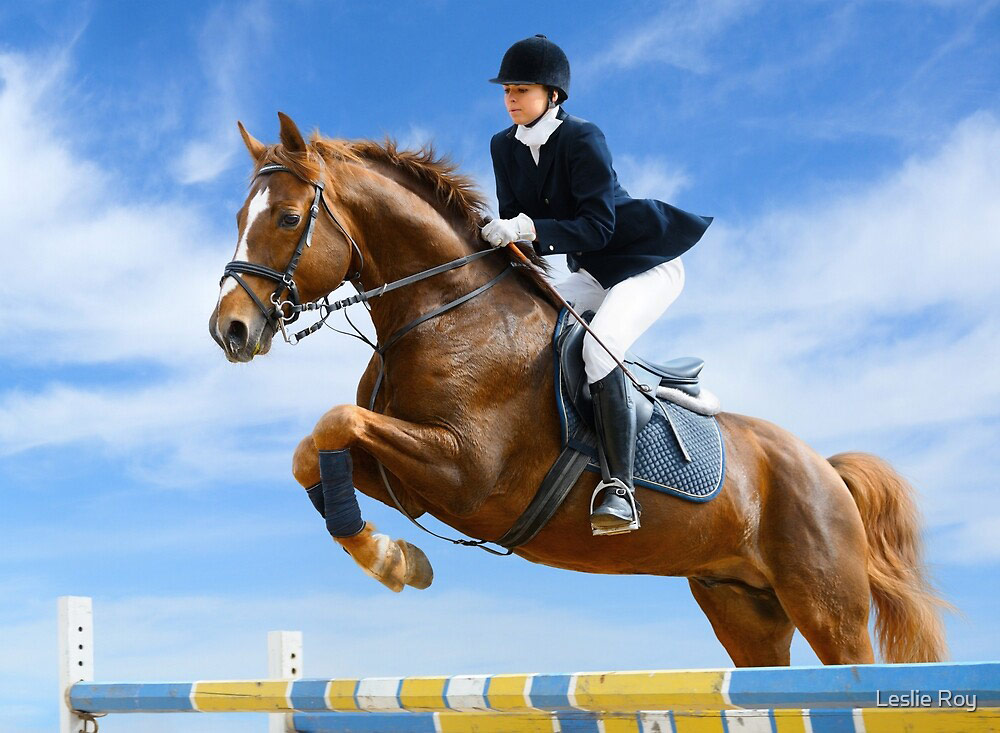
Table Of Contents
Hip Pain
Hip pain after horse riding is a result of riding position and tight muscles at the top of your leg. Although mainly on the outside of the hip, the discomfort can extend to both the front or back. Regardless of your riding style, the constant shortening of the tensor fascia latae (TFL) and gluteus medius muscles due to an unnatural position is the primary culprit behind the discomfort. Basically the bigger the horse, the greater the distance between your feet, and the worse it is for your hips. Also, prolonged sitting, particularly with poor posture, compounds the hip strain. Whether this is at a desk, driving or watching TV, your hip muscles are in a shortened position.
How I Treat It
When treating riders with hip pain, I focus on releasing your tight hip flexors, TFL, and gluteus medius. I use deep but controlled sports massage to loosen these muscles and restore better hip rotation and pelvic alignment. I also work on the surrounding areas because tight hips rarely exist in isolation, they often affect the lower back and glutes as well.
After the massage I can show you specific stretches and activation exercises you can do at home or the yard to keep the hips mobile between sessions. Many riders notice they can sit more comfortably in the saddle and move more freely after 2–4 sessions.
Lower Back Pain
Lower back pain after horse riding can, like hip pain, be caused by being seated for long periods. But that doesn’t mean that horse riding isn’t also responsible. If your upright posture comes more from arching your back than correctly engaging your postural muscles then you are causing the muscles of your lower back to become tight. As well as this, your spine isn’t able to act as a shock absorber each time you drop back into the saddle when you ride(1). This can further exacerbate muscle inflammation which can press on your sciatic nerve, leading to sciatica.
Like hip pain, reducing the amount of time you are sitting down can help lower back pain. If you’re just getting the occasional twinge after riding, stretching your upper thigh, hamstrings and glutes (bum) can help. The goal is to be flexible enough to maintain an upright posture using your core muscles in your abdomen. This probably means you’re going to need to do some core exercises to get them up standard. If you’re not just getting lower back pain after horse riding but find it’s a more chronic issue that affects you throughout the day, massage is the better option. If left untreated it could go on to develop into sciatica or even a slipped disc. And this could keep you out of the saddle for several weeks.
How I Treat It
When treating lower back pain in riders, I don’t just work on your lower back. I release your tight hip flexors and quadratus lumborum (QL), work deeply into the glutes (especially gluteus medius), and gently mobilise the thoracic spine. This whole-pelvis approach is key because the lower back is usually the victim, not the main culprit.
I can also give you simple glute activation and core stability exercises you can do at home or at the yard. Because I suffered with severe lower back pain myself for over 30 years, I understand how limiting and frustrating it can be. This combined approach has helped many riders reduce or eliminate their lower back pain and enjoy riding again.
Upper Back Pain
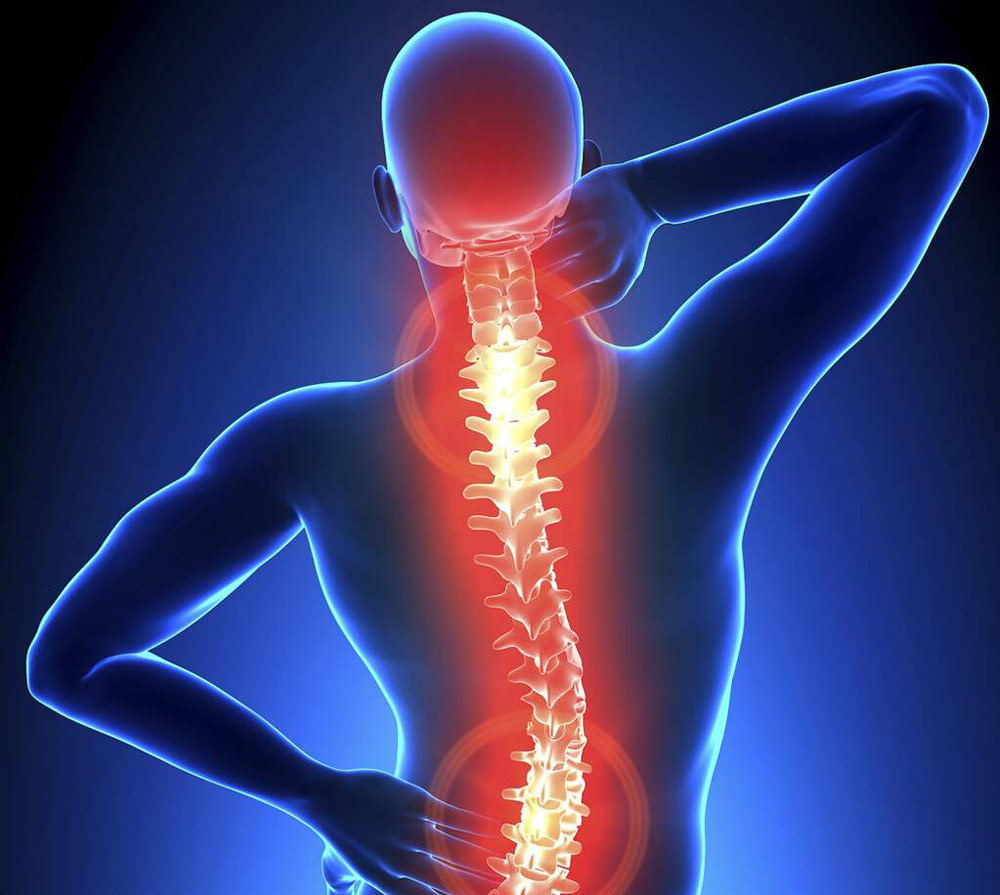
If you have upper back pain after horse riding the cause is having a slumped posture. This can be while standing, while sitting or while riding. Instead of sitting upright with arms and shoulders relaxed, riding, driving, computer work or even mobile phone use puts your upper back into a more rounded position. Having your arms forward, such as driving or riding, shortens muscles in your shoulders making a proper posture more difficult. This can also lead to neck and shoulder pain after riding.
How I Treat It
When treating upper back pain, I focus on releasing your upper trapezius, levator scapulae, and rhomboids, while also working on your chest (pectorals) to open up the shoulders. I combine this with thoracic spine mobility work so the upper back can extend properly instead of staying rounded.
After the massage I can show you simple postural resets and strengthening exercises you can do between rides. Many clients report their upper back feels looser, their riding position feels more upright, and they have less neck and shoulder tension after a few sessions.
Inner Thigh Pain
Inner thigh pain after horse riding can be particularly intense because being in the saddle constantly forces your adductors into a stretched position while simultaneously requiring them to work hard to grip and stabilise you. This is compounded by, once again, long periods of sitting or standing. Although squeezing with your legs might help to keep you in the saddle, it also tightens the muscles. In turn this can affect your hip alignment making a good riding position difficult and go on to cause lower back pain.
How I Treat It
When treating inner thigh pain, I use deep therapeutic massage to release your adductors and surrounding hip muscles. I also work on your hip flexors and glutes because tightness in one area often affects the others.
After releasing the tension, I can give you specific stretches and strengthening exercises to restore balance in the hips. This helps reduce inner thigh pain and often improves overall riding stability and lower back comfort.
Knee Pain
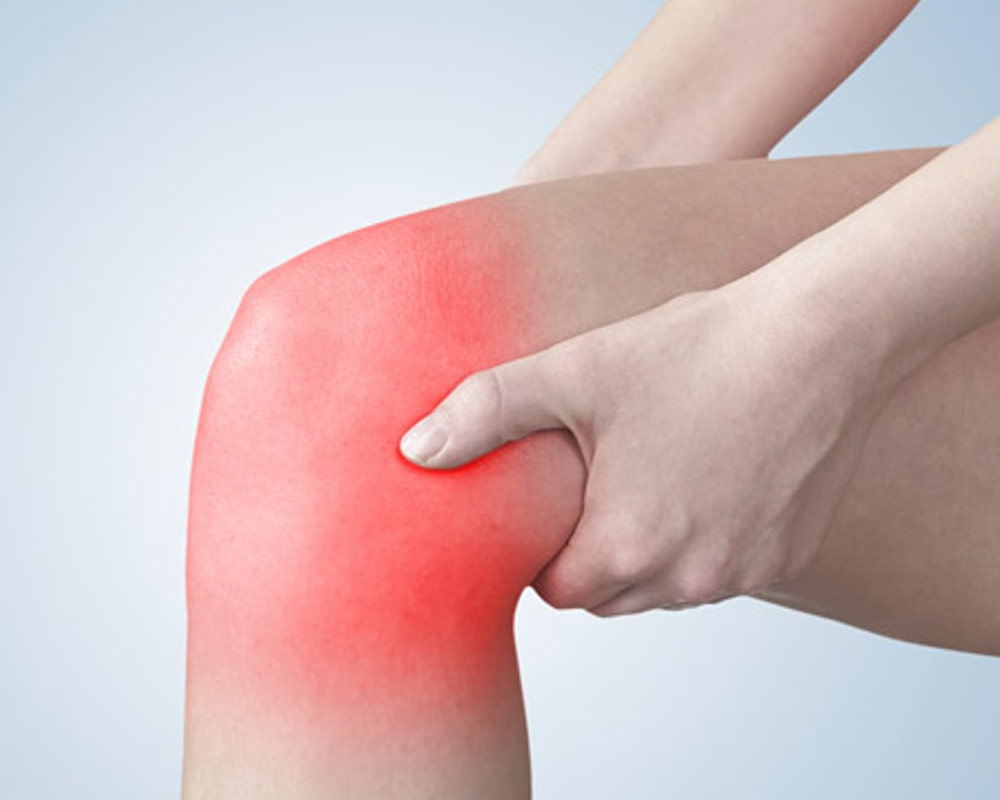
Knee pain after horse riding generally has 2 main causes depending whether it came on suddenly or gradually over time. If it was sudden, especially after a fall or abrupt movement, it is probably a strain or tear. This could be to a muscle, tendon or ligament and should first be checked out by a doctor to establish severity. If it came on gradually, especially after riding, the cause is more likely to be tight muscles in your leg.
How I Treat It
When a rider comes to me with knee pain, I assess the whole chain: ankles, hips, glutes, and quads. I then use targeted sports massage to release your tight quads and IT band that are pulling on the knee. I pay special attention to the gluteus medius because weakness here is a major cause of poor knee tracking.
After the massage I can demonstrate simple glute activation exercises so your knee tracks better and the pain reduces. Most riders I treat notice clear improvement in knee comfort within 2–4 sessions.
Sore Bum (Glutes)
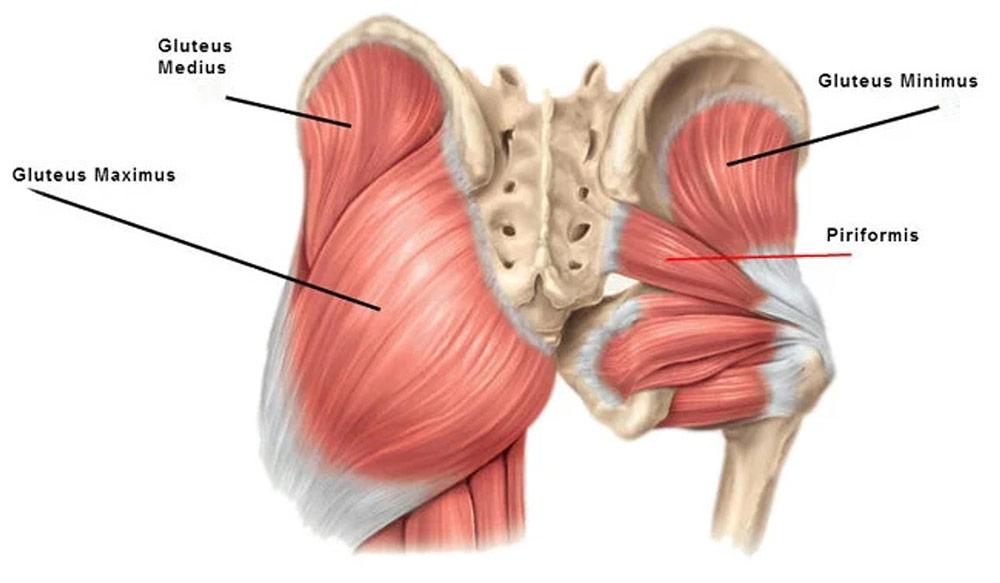
A sore bum after horse riding means you’re getting sore glutes, which is what the buttock muscles are called. The main muscle of the glutes is the gluteus maximus, with the gluteus minimus and medius beneath it. Their main job is to help you straighten up after bending forward as if to touch your toes. But lifting your leg out to the side and stabilising your hips is also part of their roles. As with hip pain after horse riding, a sore bum comes from your glute muscles being in a shortened position. As usual, this can also come from sitting down for long periods. Unfortunately the glutes are often weak or not working correctly but frequently neglected as a source of lower back and hip pain.
How I Treat It
When treating sore glutes, I use deep tissue and therapeutic massage to release tension in your gluteus maximus and the deeper gluteus medius. I also work on your piriformis and other deep hip rotators that often become tight and refer pain into your lower back or down your leg.
After releasing the tension, I can show you glute activation exercises so these important muscles start working properly again instead of the lower back having to compensate. Many riders are surprised how much better their lower back and overall riding position feels once their glutes are functioning correctly.
How I Help Horse Riders In York
As a mobile sports and therapeutic massage therapist based in York, I work with a wide range of local riders. From leisure riders and weekend hackers to serious amateur competitors in dressage, show jumping and eventing.
Horse riding places very specific and repetitive demands on the body. The asymmetrical loading, prolonged sitting in the saddle, the need for strong core stability, independent seat, and constant micro-adjustments. This creates predictable patterns of tightness and imbalance which, over time, often lead to lower back pain, hip issues, glute tightness, tight hip flexors, thigh strain, and upper back/neck tension.
My Approach
When a rider books a session, I don’t give a generic massage. I start every session with a targeted assessment. I look at how you stand and walk, your pelvic alignment, hip rotation, and which specific movements or riding positions trigger your pain. I also ask questions about your discipline, how many days a week you ride and any previous injuries.
The Treatment
The massage itself is tailored to the individual rider and usually includes:
- Deep release of your hip flexors and iliopsoas, which often become chronically shortened from being in the saddle
- Targeted work on your glutes, piriformis, and deep hip rotators. These are common culprits for lower back and sciatica-type pain in riders
- Release of your quadratus lumborum (QL) and erector spinae in the lower back
- Work on your adductors (inner thighs) and tensor fascia latae (TFL), which take a lot of load when gripping with the legs
- Upper back, trapezius, and shoulder release to counter the forward shoulder posture many riders develop
- Gentle but effective mobility work to restore balanced hip and pelvic movement
Because I also have a background as an Advanced Personal Trainer, I don’t stop at just releasing tight muscles. I show you specific activation and strengthening exercises for the glutes, deep core, and stabilising muscles. This helps prevent the same problems from returning as quickly.
The Benefits Of Me Coming To You
One of the biggest benefits of me coming to you (whether at your home or yard) is convenience and recovery quality. After a good treatment session, your muscles are loose and your nervous system is calmer. You don’t have to jump straight into a car and drive home. You can stay relaxed, do some gentle mobility work, or even have a hot bath. Many riders tell me they feel looser in the saddle, have better pelvic mobility, and can maintain a more effective riding position with less effort after a few sessions.
Frequently Asked Questions
Lower back pain is one of the most common complaints I hear from riders in York. It usually comes from the combination of prolonged time in the saddle, absorbing the horse’s movement through the lower back, tight hip flexors pulling the pelvis forward, and weak glute muscles. Many riders also spend a lot of time sitting (driving to the yard, desk work, etc.), which makes the problem worse. The result is an overworked lower back and poor pelvic stability.
Yes, this is very common. Knee pain (especially at the front under the kneecap) is often caused by tight quadriceps, hip flexors, and IT bands from the riding position. Taking your feet out of the stirrups gives temporary relief but indicates underlying tightness and imbalance. Targeted massage to the quads, hips, and IT band, combined with the right strengthening exercises, usually resolves this.
This is a very frequent issue in riders. The position of your feet in the stirrups often puts constant pressure on the muscles of the lower leg (particularly the tibialis anterior and inner calf muscles). This leads to tightness, aching, and sometimes pain on the inside of the shin. Massage to these areas combined with specific stretching usually resolves this.
This is very common. After time away from riding, the hip flexors, glutes, and TFL (tensor fascia latae) lose strength and flexibility. When you return, especially on a lively horse, these muscles get overloaded quickly. This often causes pain deep in your hip joint or radiating down your leg. Treatment involves a few sessions of targeted massage combined with gradual strengthening.
Yes, this often responds very well to treatment. Radiating hip pain is frequently caused by tight muscles (glutes, piriformis, or TFL) compressing or irritating nerves. I regularly treat this pattern in riders. By releasing the deep hip muscles and improving pelvic alignment, many clients see the radiating symptoms reduce significantly.
Upper and mid back pain is common, especially when returning to riding or increasing intensity. It usually comes from a rounded riding posture, tight chest/shoulders, and overworked upper back muscles trying to stabilise you. Massage to your upper back, shoulders, and chest, along with posture and mobility work, helps most riders a lot.
Most riders notice improvement after 2–4 sessions. If you ride regularly or have had the problem for a long time, I usually recommend 4–6 sessions initially. Many regular riders then book maintenance sessions every 4 weeks, especially during busier seasons.
Yes, for most riders it’s much more practical and effective. After a deep treatment you don’t want to drive home straight away. Having the session at your home or yard means you can relax properly, do gentle stretches, or even have a hot bath afterwards. All of which help the muscles stay loose for longer.
Summary
Pain after riding is common, but it is not something you simply have to put up with. The demands of the saddle create predictable patterns of tightness and imbalance through the hips, glutes, lower back, thighs and upper back.
By treating these specific patterns rather than giving a generic massage, it is possible to reduce discomfort, improve mobility and make riding more comfortable. Mobile treatment at your home or yard also means you can recover properly afterwards without an immediate journey home.
Book a Mobile Massage for Horse Riding Pain
If hip tightness, lower back ache, sore glutes or inner thigh strain are affecting how you feel in the saddle, it is worth getting the underlying muscle patterns treated properly rather than just stretching and hoping.
I provide mobile sports massage across York and the surrounding areas, including visits to your home or yard. Everything needed is brought to you, so you can have the treatment and then recover without an immediate drive afterwards.
To book or discuss your symptoms contact me on 07713 250352 or email david@massageinyork.co.uk or read more information on booking.

My knees are sore when im riding and I often have to take my feet out of my stirrups and stretch my legs straight, and my back hurts when I bend over.
That definitely sounds like something that a good massage would help relieve!
Hi I had a fall on my knee about 12 wks ago left with fluid and heat and sounding like there is gravel in knee when straightening and bending but since then I had a bad cramp in my thigh so now when I ride the horses I can’t get off because of the pain in the front of my thigh could this be because of the knee injury or something else thank you
This sounds like something that was an issue before you had your fall, but the knee injury has made things worse. The pain in your thigh is probably due to tight muscles from horse riding, which would also explain your cramp. Stretching and of course a good massage would help you!
Hi, I’ve been experiencing hip pain for several years now. Took a break from riding to have a family and returned to the saddle about 3yrs ago. Been around horses since I was a child. I’m not a regular rider now, preferring groundwork. The pain lately started getting worse, radiating to my knee and shin area. I’m on anti-inflammatories but looking for ways to help ease the pain (yoga/swimming). Would massage help? Or does this sound like something more serious? Thank you, I did find this article very informative. Kate
Hi, Kate. It sounds like you’re getting sciatic pain caused by your hip impinging the nerve, which is why the pain radiates to your knee and shin. Yoga and stretching in general could help, as will massage to the hip area. Also avoid sitting for too long, especially if you have a tendency to tuck your legs under you or sit with legs crossed.
Hope this helps. David
Hello! I’ve recently started riding again after five years of not being in the saddle. My instructor put me on a horse with known bucking problems (I was only told once the lesson began that this horse bucks), so I had to deal with intense bucking and kicking for an hour while being out of practice on horseback. The joints where leg meets hip are in immense pain, I can barely walk straight. Could it be because of the bucking, or am I just unfit? What can I do to fix it?
Assuming you haven’t got hip joint issues the issue is most likely to be your gluteus medius or TFL muscles which sound as if they are tight and not as strong as they were since you had a 5-year break from riding. Having massage on these areas and then working to strengthen them should solve things for you. David
My daughter has immense knee pain and shin pain after riding (which has now progressed to during riding). The knee pain is at the front under the knee cap and the shin pain runs all the way down from the knee to the ankle and the pain is predominantly either side of the shin diapering across the top of the shin.
The pain is reduced with slightly longer stirrups.
Should read dispersing not diapering ♀️
Hi, Rebecca. It sounds like your daughter has very tight anterior tibialis muscles in her shins and that’s what it causing her pain. This is very common in horse riders due to the position of feet in stirrups. The knee pain could be caused by a couple of things but most commonly it’s due to tight hips (glutimus medius) and hamstrings, again caused by the riding position. This can also exacerbate tight IT bands which can also cause knee pain. Without seeing your daughter I can’t be more precise but that’s usually the cause.
I hope this helps.
David.
David, the muscles on the inside of each shin ache hugely in the morning time and can hurt when I am horse riding. My left leg in particular is sore to the touch. What can I do to remedy this. I have been riding for years .
Hi, Victoria. It sounds like tight calves, which is worse on the inside due to the position stirrups put your legs and feet into. Massage to the calves would loosen them up and you could then maintain this with regular stretching.
David.
I started riding again after 40 years out of the saddle. I did several rides before doing a 10 mile fun ride a week ago, but still in pain, we were trotting, cantering and galloping. The pain is mostly in my right side by my kidneys/lungs, during the day it’s not too bad because im walking alot. It hurts if i sit down too long and at night though I have the most pain. A shooting pain when I go to get up. So painful and not experienced before. I have been taking ibrufen and paracetamol, but it’s not helping. Heat seems to help. Is there anything else I can do to get me fitter for the next ride in a week. Thanks
Hi.
I am only reading these posts now! I have exactly the same problem as you.
A week on & my mid back area is very painful along with spasms.
Did you find a cure or did it eventually clear up naturally?
Thanks.
Tina.
I started horse riding a week ago and on my third lesson where I started trotting on the last minute when I landed on the saddle my mid to upper back started hurting, now every time I trot my back starts hurting.