
Last Updated – July 2026
As a mobile sports and therapeutic massage therapist in York, I treat a huge number of clients with tight hip flexors and the problems they cause, especially stubborn lower back pain, knee discomfort, poor posture, and restricted movement.
Tight hip flexors are one of the most common issues I see. Whether you sit at a desk all day, drive a lot, run, lift weights, or spend long periods standing, these muscles can become short and tight over time. When they do, they pull your pelvis out of alignment and force your lower back to compensate.
Having overcome my own 30+ years of chronic lower back pain following a car accident and with qualifications in sports massage and Advanced Personal Training, I’ve developed a very effective way of treating tight hip flexors and the knock-on effects they create.
In this article, I explain what the hip flexors are, why they get tight, how they cause lower back and knee pain, and exactly how I treat them with targeted sports massage and therapeutic work here in York.
Table Of Contents
What Are Hip Flexors
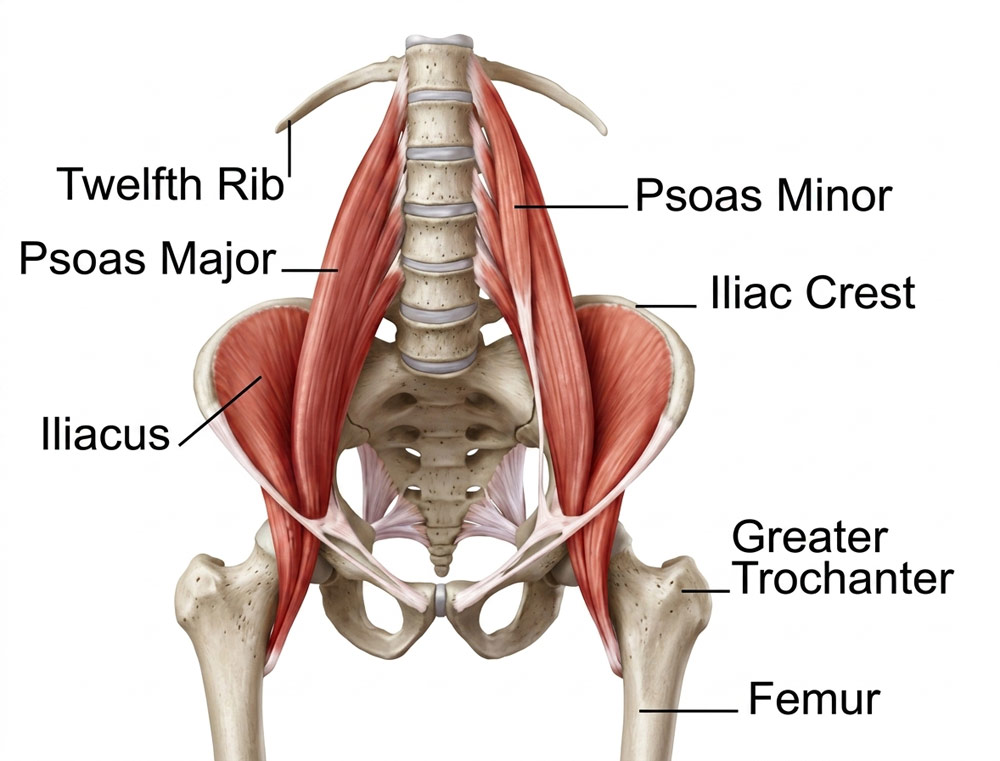
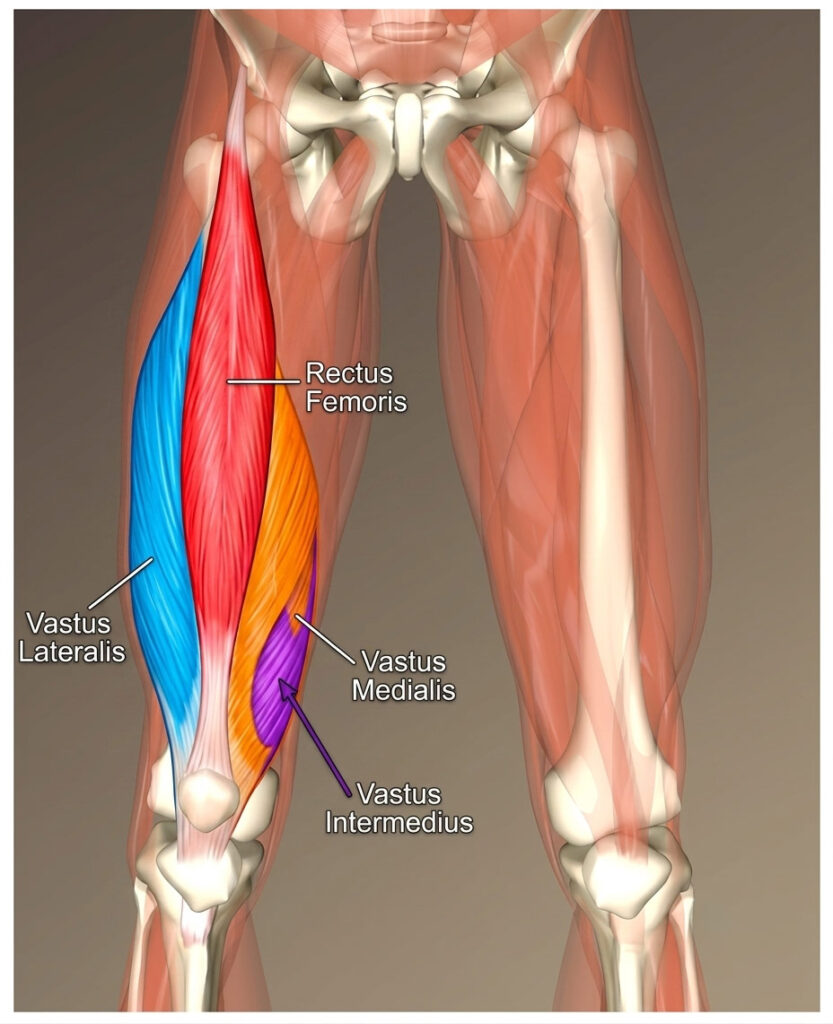
The hip flexors are a group of muscles located at the front of your hip that primarily lift your knee towards your chest and help bend your torso forward. The two most important ones are the iliopsoas (made up of the iliacus and psoas major) and the rectus femoris, which is part of your quadriceps.
The iliopsoas is a powerful, deep muscle that attaches from your lower spine and pelvis to the top of your thigh bone. It is the strongest hip flexor and plays a major role in walking, running, and stabilising your pelvis. The rectus femoris also crosses both the hip and knee joints, which is why tight hip flexors can often contribute to knee pain as well.
These muscles are designed to work hard during dynamic movements, but in modern life they spend far too much time in a shortened position, whether sitting at desks, driving, cycling, or even slouching on the sofa. Over time this leads to tightness, reduced flexibility, and weakness when the muscle is stretched out. This combination is what creates the problems I see so often in clients.
In my experience, once the hip flexors become chronically tight, they start a chain reaction: they pull the pelvis forward, increase the arch in the lower back, reduce glute activation, and put extra stress on the lower back and knees. This is why many people feel their lower back pain gets worse the longer they sit, or why their squat depth suddenly feels limited.
What Causes Hip Flexors To Be Tight
Tight hip flexors rarely happen overnight. In most cases they develop gradually from the daily habits and activities my clients in York commonly have. The biggest culprit I see is prolonged sitting. Whether at a desk, in a car, or on the sofa in the evening, sitting keeps the hip flexors in a shortened position for hours. Over months and years the muscles adapt to this position and lose both length and strength when stretched out.
Other common causes I encounter include:
- Long periods of driving (especially if you have a long commute)
- Running or jogging without enough recovery or mobility work
- Heavy squatting and deadlifting with poor hip mobility
- Standing for long periods with poor posture
- Previous injuries to the lower back, hip or pelvis that cause compensation patterns
In my experience, the combination of sitting all day and then training hard in the evening or at weekends is particularly problematic. The hip flexors never get enough time in a lengthened position to stay supple.
I also see many clients whose hip flexors become tight from one-sided activities such as, always carrying a bag on the same shoulder, favouring one side when lifting or doing squats, or even jogging on roads with a camber that tilts the pelvis.
Because I suffered with and successfully treated my own severe hip and lower back issues for decades, I’m very tuned in to how these patterns develop. Many clients are surprised when I point out that their lower back problem or knee issue actually started from years of tight hip flexors gradually pulling everything out of alignment.
The good news is that once we identify the main causes in your individual case, we can target them effectively with both hands-on treatment and practical changes.
How I Treat Tight Hip Flexors
When a client comes to me with tight hip flexors (and the lower back pain, knee issues or poor posture that usually comes with them), I never use a generic approach. I assess each person individually and create a targeted treatment plan.
I start by watching how you stand, walk, and squat. I check your pelvic alignment, hip flexor length on both sides, glute strength, and how well your core stabilises the pelvis. This assessment tells me exactly which muscles are tight, which are weak, and what compensation patterns have developed over time.
I then use deep tissue and therpeutic massage techniques to release the tight iliopsoas, rectus femoris, and surrounding tissues. Because the psoas is a deep muscle, I work carefully but thoroughly to release it without causing unnecessary soreness. I also treat the quadratus lumborum and erector spinae in the lower back, as these muscles are usually overworked from compensating for the tight hip flexors.
I pay close attention to the glutes too, especially the gluteus medius and maximus, because when the hip flexors are tight, the glutes often become inhibited and weak.
After the massage I use my Advanced Personal Training background to give you specific, practical exercises you can do at home or in the gym. These usually include:
- Effective hip flexor stretches that actually target the right muscles
- Glute activation drills (such as glute bridges and side-lying clams)
- Core stability exercises to help control pelvic position
- Simple daily mobility routines that only take 5–10 minutes
I make sure the exercises are suitable for your current fitness level and easy to remember so you actually do them. I also give practical advice on how to reduce the daily stress on your hip flexors, such as better desk setup, how to stand and sit more effectively, and when to take short movement breaks during the day.
Typical Results
Most clients notice they feel straighter and their lower back less tight after the first session. After 3–6 sessions combined with the exercises, many people report significant long-term improvement, with less lower back pain, better posture, improved squat depth, and easier movement when walking or running. The key difference with my approach is that I treat both the symptoms (the tight hip flexors and sore lower back) and the underlying cause (weak glutes and poor pelvic control). This is why many clients get much longer-lasting results than they experienced with previous treatments.
Frequently Asked Questions
Common signs include lower back pain or stiffness when getting up from sitting, difficulty standing completely upright with your hips pushed slightly forward, a short stride when walking or running, or knee pain during squats or lunges. You may also notice one side feels tighter than the other. During your first session I can quickly test your hip flexor length and pelvic alignment to confirm.
Yes, very often. Tight hip flexors create an anterior pelvic tilt that forces the lower back muscles (especially the QL) to overwork. This is one of the most frequent causes of recurring lower back pain I see in York. Many clients are surprised when we find that their back problem is actually coming from their hips.
Many clients feel noticeable improvement after 2–4 sessions. For long-standing tightness or chronic lower back pain, I usually recommend an initial block of 4–6 sessions. After that, many people move to maintenance sessions once a month. I’ll give you an honest plan after the first assessment.
Although the front of the hip can be sensitive when the hip flexors are very tight, I always work within your comfort level and adjust pressure immediately. Most clients describe it as “nice pain” rather than sharp pain.
Yes. After deep work on the hips and lower back, sitting in a car can cause the muscles to tighten up again quickly. Having treatment at home allows you to rest, move gently, or apply heat if needed, which helps the results last much longer.
Usually yes. I’ll advise you based on what I find during the assessment. Many clients continue training with temporary modifications (e.g. reducing heavy squats, lunges, or running volume) while we release the tightness and improve stability.
Absolutely. Tight hip flexors and weak/underactive glutes usually go together. Releasing the hip flexors gives relief, but strengthening the glutes helps keep the pelvis in a better position long-term and prevents the hip flexors from tightening up again as quickly.
It’s rarely too late. Even long-term tightness responds well to consistent release work and the right strengthening exercises. I’ve helped many clients in their 40s, 50s and beyond who had been dealing with the issue for many years.
Summary
Tight hip flexors are a hidden but very common cause of lower back pain, knee issues, and poor posture. Simply stretching or massaging the lower back often only brings temporary relief. My approach is to properly release the tight hip flexors and overworked lower back muscles, then give you targeted exercises to restore balance and strengthen the glutes. Many clients in York finally get lasting relief once we address this key area properly.
If you’re dealing with stubborn lower back pain, tight hips, or poor posture and want a proper solution, I’d be happy to help with a personalised mobile sports massage at your home.
Book A Mobile Massage
If you would like to book a mobile massage in York please contact me on 07713 250352 or email david@massageinyork.co.uk. Includes sports massage, deep tissue massage and Swedish massage. For more information on booking click here