
Last Updated – August 2026
As a mobile sports massage therapist in York, I regularly see clients who are struggling to get a good night’s sleep. Whether the problem is stress, muscle tension, pain, or a combination of factors, poor sleep quickly affects energy, mood, and recovery.
Many people try to push through tiredness or rely on temporary fixes, but the underlying physical tension and stress often remain. Massage can help by releasing tight muscles, calming the nervous system, and making it easier for the body to settle into proper rest.
With qualifications in sports massage and Advanced Personal Training, I take a practical approach that addresses both the physical and stress-related barriers to good sleep. In this article, I explain the most common reasons people can’t sleep and how targeted massage can help.
Table Of Contents
You Can’t Sleep Due To Stress And Anxiety
Stress and anxiety are two of the most common reasons my clients struggle to get proper sleep. A demanding job, ongoing pressure, exams, or simply the accumulation of daily tension can keep the nervous system in a heightened state long after the day has finished.
When this happens, the body continues to release higher levels of stress hormones such as cortisol, so heart rate stays elevated, muscles remain tense (especially in the neck, shoulders, jaw and upper back), and the mind finds it difficult to switch off. Instead of winding down naturally in the evening, the body stays partially stuck in a stress response. The result is often difficulty falling asleep, light or broken sleep, or waking in the early hours and being unable to drop off again.
Over time this becomes a self-reinforcing cycle. Poor sleep increases next-day tension and irritability, which then makes the following night even harder. Many of the people I treat in York have been dealing with this pattern for weeks, months or even years before they book a session.
How My Massages Help
When someone comes to me with stress-related sleep problems, I focus on releasing the physical tension that keeps the nervous system activated. I work thoroughly on the neck, shoulders, upper back and jaw, which are the areas that most commonly hold stress. I use a steady, controlled approach that helps the body shift out of the heightened state and into a calmer one.
By lowering muscle tension and reducing the physical signals of stress, the body is more able to settle in the evening. Many clients notice they fall asleep more easily and sleep more deeply in the nights following a session. The aim is not just temporary relaxation, but reducing the ongoing muscular and nervous system tension that keeps interfering with proper rest.
You Can’t Sleep Because Of Pain
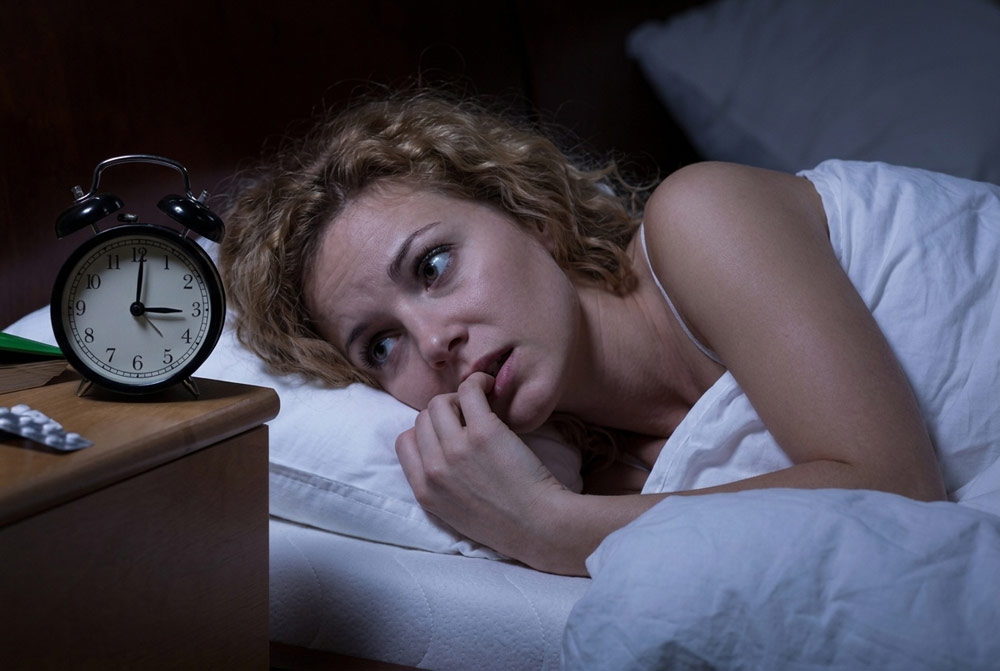
Pain is one of the most direct reasons people struggle to sleep. Whether it’s lower back pain, tight shoulders and neck, hip discomfort, or general muscle tension, physical pain makes it difficult to get comfortable and stay asleep. Even low-level ongoing pain can be enough to keep the nervous system slightly activated, leading to light, broken sleep or frequent waking.
Many of the clients I see in York have been dealing with this for a long time. They often try painkillers, which can help in the short term but frequently interfere with sleep quality. Stretching can offer some temporary relief, but when the muscles are significantly tight or restricted, stretching alone is rarely enough to create lasting change.
The most common pain-related sleep issues I treat are:
- Lower back pain and tightness that makes it hard to find a comfortable position
- Neck and shoulder tension that causes discomfort when lying down
- Hip and glute tightness that refers into the lower back or legs
- General muscular fatigue and stiffness that builds up from work, training, or stress
How My Massages Help
When pain is interfering with sleep, I focus on releasing the specific muscles that are driving the discomfort. I assess which areas are restricted and work thoroughly on them using sports and therapeutic massage techniques. This usually includes the lower back, glutes, hips, upper back, neck and shoulders, depending on the individual.
By reducing the muscular tension and improving mobility in these areas, the body is able to settle more easily at night. Many clients notice they can get comfortable more quickly, wake less often, and feel more rested the next day. Because the treatment is done at your home, you can go straight into a relaxed environment afterwards rather than having to travel, which further supports better sleep that same night.
The goal is not just short-term relief, but reducing the ongoing physical tension that keeps interrupting your rest.
You Can’t Sleep Because You Work Shifts
Shift work is one of the hardest things on the body’s natural sleep system. Your internal body clock (circadian rhythm) is designed to follow a relatively consistent pattern of daylight and darkness. When you regularly switch between day and night shifts, or work late into the night, that system is constantly disrupted.
The result is that the hormones and processes that normally prepare you for sleep at the right time become confused. You may feel tired but unable to drop off, or you fall asleep easily but don’t wake feeling refreshed. Exposure to artificial light during night shifts, irregular meal times, and the general physical and mental stress of changing schedules all make the problem worse.
Many of the shift workers I treat also carry a lot of physical tension. Long hours on their feet, repetitive movements, or sitting for extended periods during night shifts create additional muscle tightness. This physical tension then feeds into the sleep problem, making it even harder for the body to settle when they finally get the chance to rest.
How I Treat It
When dealing with shift workers, I focus on reducing the physical tension that builds up from irregular hours and demanding work. I release the muscles that commonly tighten under these conditions using a calmer, more restorative approach that helps the nervous system down-regulate. This is important because shift work often leaves the body stuck in a partially heightened state. By lowering muscle tension and supporting a shift into relaxation, the body is able to take advantage of whatever sleep opportunity is available.
Many shift-working clients notice they fall asleep more easily after a session and that the sleep they do get feels more restorative. While massage can’t fix the underlying schedule disruption, it can significantly reduce the physical and nervous system barriers that make good sleep harder to achieve.
What Happens When You Can’t Sleep
Even short-term poor sleep affects both the body and mind. Concentration drops, energy levels fall, mood becomes more fragile, and the immune system is less effective. Many people notice they feel more irritable, less resilient, and more prone to picking up minor illnesses when their sleep is consistently disrupted.
When sleep is restricted, the body also increases its production of cortisol, the main stress hormone. This keeps the nervous system in a more activated state and can make it harder to relax the following evening, creating a self-reinforcing cycle. Over time, elevated cortisol is linked to increased abdominal fat storage and greater difficulty managing weight.
Sleep deprivation also disrupts the hormones that control appetite. Levels of leptin (which signals fullness) tend to fall, while ghrelin (which stimulates hunger) rises. The result is often increased appetite and stronger cravings, particularly for higher-calorie foods. In addition, poor sleep affects how the body handles blood sugar. Insulin sensitivity can decrease, meaning blood sugar levels stay higher for longer after eating. Over time this raises the risk of weight gain and metabolic issues.
These effects explain why ongoing sleep problems rarely stay isolated. They influence energy, recovery, mood, appetite, and physical tension, all of which I see regularly in clients who come to me for help with sleep-related issues.
Frequently Asked Questions
Can massage really help if I can’t sleep?
Yes, for many people. Poor sleep is often linked to a combination of muscle tension, stress, and a nervous system that stays too activated in the evening. By releasing tight muscles (especially in the neck, shoulders, upper back and lower back) and helping the body shift into a calmer state, massage can make it easier to fall asleep and stay asleep. Many of my clients notice an improvement in the nights following a session.
How quickly will I notice a difference in my sleep?
Some people sleep better the same night as their massage. Others notice a clearer improvement after 2–3 sessions as the ongoing tension reduces. Results vary depending on how long the sleep problem has been present and what is driving it (stress, pain, shift work, etc.)
Is mobile massage better for sleep problems?
In many cases, yes. After the treatment your muscles are looser and your nervous system is calmer. Having to drive home or sit in traffic can quickly undo some of that benefit. When the session is at your home, you can go straight into a relaxed environment, which helps the body settle more effectively.
Will the massage be deep and intense?
Not necessarily. When someone is coming to me primarily for sleep-related issues, I usually use a calmer, more restorative approach rather than deep, intense pressure. The focus is on releasing tension and down-regulating the nervous system. I always adapt the pressure to what feels effective and comfortable for you.
Can massage help if my sleep problems are caused by pain?
Yes. Physical pain is one of the most common reasons people wake during the night or struggle to get comfortable. By reducing muscular tension and improving mobility in the problem areas, massage can remove a significant barrier to better sleep.
How often should I have a massage if I’m struggling with sleep?
This depends on how severe the problem is and how long you’ve had it. Some people benefit from weekly sessions for a short period, then move to every 2–3 weeks once sleep starts to improve. Others do well with less frequent maintenance. I’ll give you honest advice after the first session based on what I find.
Summary
Poor sleep is rarely caused by one single factor. Stress, muscle tension, pain, irregular work patterns, and a heightened nervous system often combine to make it difficult to fall asleep or stay asleep.
My approach focuses on reducing the physical tension and stress-related muscle tightness that keep the body from settling properly at night. By releasing the neck, shoulders, upper back, lower back and other commonly restricted areas, and by helping the nervous system down-regulate, many clients find they fall asleep more easily and sleep more deeply in the nights following a session.
If you’re struggling with ongoing sleep problems linked to tension, stress or physical discomfort and would like a practical, hands-on approach, book a mobile massage at your home in York.
Book A Mobile Massage
If you would like to book a mobile massage in York please contact me on 07713 250352 or email david@massageinyork.co.uk. Includes sports massage, deep tissue massage and Swedish massage. For more information on booking click here
