Last Updated – July 2026
As a mobile sports and therapeutic massage therapist in York, I help many clients who suffer from frequent tension headaches and migraines that disrupt their work, sleep, and daily life.
While medication can provide short-term relief, many people are looking for a more natural way to reduce both the frequency and severity of their headaches. In my experience, a large number of tension headaches and migraines are closely linked to tight muscles in the neck, shoulders, upper back, and jaw which are often caused by stress, poor posture, long hours at a desk, or driving.
With qualifications in sports massage and Advanced Personal Training, and having treated my own long-term chronic pain, I take a targeted approach that goes beyond general relaxation. I focus on releasing the specific muscles that contribute to headache pain and give clients practical advice to help prevent them returning.
In this article, I explain the common muscular causes of tension headaches and migraines I see in York and how my personalised sports and therapeutic massage approach can help reduce or even stop them.
Table Of Contents
Tension Headaches
Tension headaches are the most common type of headache I see in my York clients. They usually feel like a tight band around the head, pressure at the temples, or a dull ache across the forehead and scalp. The pain can range from mild to moderate and can last from 30 minutes to several days.
In my experience, the majority of tension headaches are caused by tight, overworked muscles in the neck, shoulders, upper back, and jaw. Poor posture from long hours at a desk or driving, stress (which causes people to shrug their shoulders or clench their jaw), and even sleeping in an awkward position are all major contributors.
How I Treat Tension Headaches
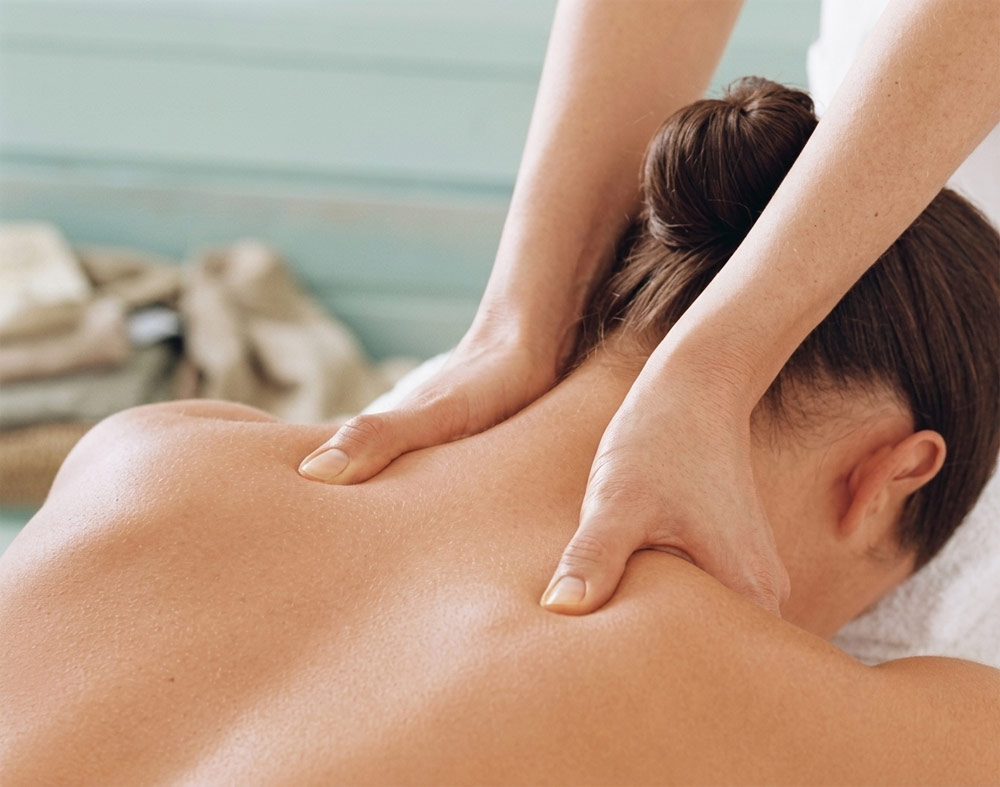
When a client comes to me with tension headaches, I focus on releasing the key muscles that are referring pain into the head, especially the upper trapezius, levator scapulae, suboccipital muscles at the base of the skull, and the muscles around the jaw.
I use a combination of deep tissue and therapeutic massage techniques to ease the trigger points and tightness that are causing the headache. Many clients feel noticeable relief during the session itself as the pressure on the nerves and blood vessels is reduced.
After the massage I show clients simple self-release techniques and postural resets they can do at home or at their desk when they feel a headache starting. Many of my regular clients report that their tension headaches become much less frequent and less severe after a few sessions.

Migraines
Migraines are more intense than tension headaches and can be truly debilitating. They often cause throbbing pain on one side of the head, sensitivity to light and sound, nausea, and in some cases visual disturbances (aura).
Many migraines have a strong muscular component, such as tight neck and shoulder muscles, jaw clenching from stress, and poor upper back posture which can irritate nerves and blood vessels, triggering or worsening migraine attacks. This was my experience when I used to have migraines but I stopped them by relieving my own muscle tension.
How I Treat Migraines
When treating clients who suffer from migraines, I focus on the upper trapezius, levator scapulae, suboccipital muscles, and the muscles around the jaw and temples. I use slow, sustained pressure and gentle mobilisation techniques to release the tension that is contributing to the migraine cycle. I also work on improving overall neck and upper back mobility so the head sits in a better position.
Many clients find that regular sessions not only reduce the intensity of their migraines but also decrease how often they occur. After the massage I give clients specific advice on posture, jaw relaxation techniques, and simple daily stretches that can help prevent future episodes.
What Type Of Massage Is Best For You
The best type of massage for migraines and tension headaches depends on your specific triggers and how your body responds. For most of my clients, I recommend a combination approach:
- Swedish-style techniques for overall relaxation and to calm the nervous system. These long, flowing strokes help reduce general stress and tension that often triggers headaches.
- Targeted therapeutic and deep tissue work on the key problem areas, including trapezius, neck and the jaw muscles if clenching or grinding is an issue.
I adjust the pressure and focus based on what I find during the session. If your headaches are mainly stress-related, I lean more towards relaxation techniques. If there is significant muscle tightness, knots, or trigger points (common with desk work or driving), I use more targeted deep work to release those specific areas.
Frequently Asked Questions
For most people, yes. By regularly releasing the muscles that build up tension and an improved posture, many clients find their headaches become less frequent and less severe.
For tension headaches I often use a mix of Swedish and therapeutic techniques to relax the neck, shoulders, and upper back. For migraines I tend to focus more on the suboccipital muscles at the base of the skull, jaw, and upper trapezius. I always tailor the treatment to what your body needs on the day.
Many clients notice a reduction in frequency or intensity after 2–4 sessions. For long-standing or frequent headaches, I usually recommend an initial block of 4–6 sessions. After that, many people move to maintenance sessions once a month. I’ll give you an honest recommendation after the first assessment.
We start with a short consultation so I understand your headache pattern, triggers, and any areas of tightness. During the massage I focus on the neck, shoulders, upper back, and jaw using a combination of relaxation and targeted remedial techniques. Pressure is always adjusted to your comfort and many clients feel some relief during the session itself.
Usually not. Most people feel a reduction in pressure or pain during or straight after the session. However, if the muscles have been very tight for a long time, you may feel mild soreness the next day (similar to post-workout DOMS) that typically passes within 24 hours and is then followed by improved comfort.
After treatment your neck and shoulders are looser and your nervous system is calmer. Having to drive home or sit in traffic, especially in York, can quickly re-tighten everything and trigger another headache. With a mobile service you can stay in your own relaxed environment and rest properly, which helps the benefits last much longer.
Yes. I show clients simple self-release techniques for the neck and shoulders, postural resets they can do at their desk, and jaw relaxation exercises if clenching is an issue. Reducing screen time, staying hydrated, and managing stress levels also make a big difference.
Summary
Tension headaches and migraines can be debilitating, but many are driven by tight muscles in the neck, shoulders, upper back, and jaw rather than the head itself. My targeted mobile massage focuses on releasing these key areas, improving posture, and reducing overall tension. Many clients in York report fewer and less severe headaches after a few sessions, along with better sleep and reduced stress levels.
If you’re tired of relying on medication and want a practical, long-term approach to managing your headaches, I’d be happy to help with a personalised treatment at your home.
Book A Mobile Massage For Headaches & Migraines
If frequent tension headaches, stubborn neck stiffness, or debilitating migraines are impacting your daily life, a targeted treatment can help release the deep neck and shoulder tension driving your symptoms.
I provide a fully equipped mobile sports and therapeutic massage service across York and surrounding areas, bringing professional treatment directly to your home. Receiving treatment in your own home allows your nervous system to remain completely calm after treatment, ensuring your neck and shoulders stay relaxed without the immediate physical strain of a post-massage drive.
To book or discuss your symptoms contact me on 07713 250352 or email david@massageinyork.co.uk or read more information on booking.
