Last Updated – June 2026
As a mobile sports and therapeutic massage therapist in York, I offer Swedish massage for clients who want a relaxing yet effective full-body treatment.
While many people think of Swedish massage as just a gentle, “fluffy” relaxation massage, I combine traditional Swedish techniques with my experience and personal training background to deliver real muscle relief alongside deep relaxation. Having worked with hundreds of clients in York, from stressed professionals and desk workers to people who train regularly, I’ve learned that the best Swedish massages are those that are properly tailored to the individual rather than following a rigid routine.
In this article, I explain what a Swedish massage with me actually involves, the key benefits, what to expect during a session, and why having it at home often produces better results than a clinic treatment.
Table Of Contents
What Is Swedish Massage?
Swedish massage is a full-body treatment that uses long, flowing strokes, kneading, and gentle stretching to relax muscles, improve circulation, and reduce overall tension and stress. While it is often seen as a “relaxation” massage, I can combine traditional Swedish techniques with my sports massage and personal training background if you prefer. This means I can still spot and work on areas of tightness and imbalance rather than just giving a generic, light massage.
What Is Your Swedish Massage Like?
When I arrive at your home in York, I set up my professional portable table and fresh towels. We start with a short chat so I understand what you need most from the session, whether it’s general relaxation, help with tight shoulders from desk work, or easing tension in your lower back and legs.
During the massage I use a combination of long gliding strokes to warm up and relax the muscles, deeper kneading where needed, and gentle stretching. The pressure is usually medium, but I always adjust it to your preference. Most clients drift into a deep state of relaxation during the treatment.
I can do a full-body Swedish massage, or we can focus more on specific areas (such as neck and shoulders, back, or legs) if that’s what you need.
What Is Your Swedish Massage For?
I recommend Swedish massage to clients who want to:
- Reduce everyday stress and muscle tension
- Ease tightness from desk work, driving, or light training
- Improve sleep quality and general wellbeing
- Recover gently after lighter training days
- Simply feel looser and lighter in their body
Many of my regular clients in York book Swedish massage because it leaves them feeling calm and refreshed without the intensity of a deep sports massage. It’s also an excellent choice if you’re new to massage or prefer a more relaxing experience.

What Strokes Do You Use?
My Swedish massage can involve several different strokes, though not all of them will be used in every treatment. As always, the decision is with me, the massage therapist and you, the client.
Effleurage
The most common stroke I use in a Swedish massage is effleurage and it involves sweeping the general body part rather than concentrating on a specific area. I use this a lot at the start and end of a session.
Petrissage
This technique is deeper and involves more pressure. It is used to compress and squeeze underlying muscles to help relax and work out knots. It is similar to a deep tissue massage but less intense and more relaxation focused. I use this where I find tightness, especially in the shoulders, back, and legs.
Percussion
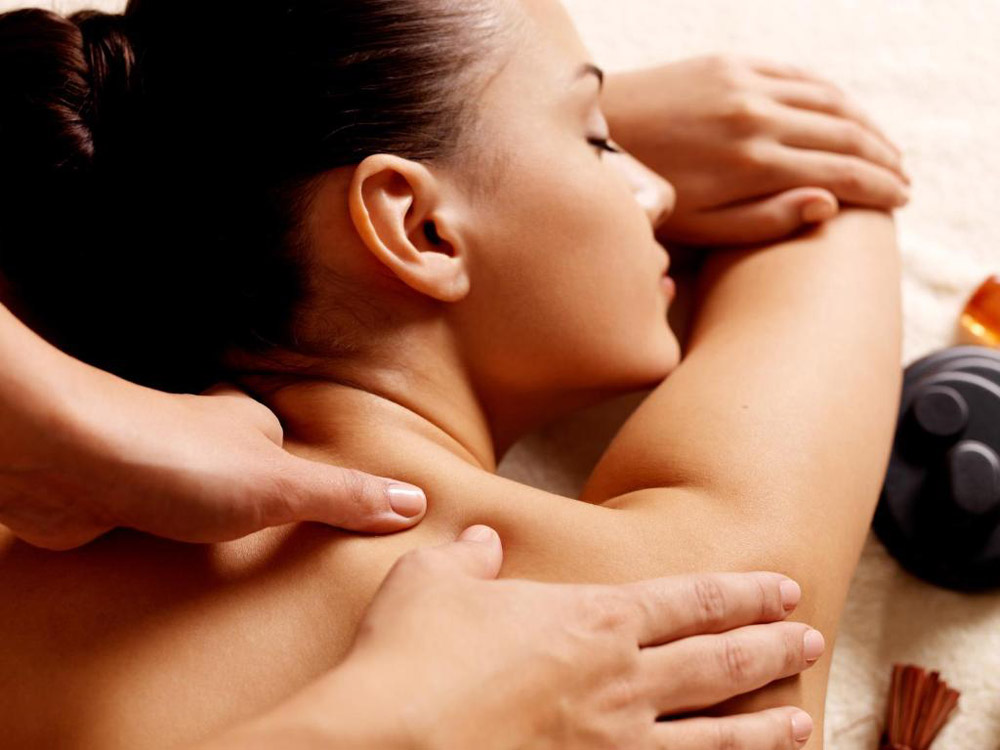
Percussion techniques involve me hacking, chopping and cupping. These are just slightly different ways of gently “striking” muscles with different parts of the hand. This helps to relax your muscles and break down adhesions beneath the skin. I use this lightly towards the end if you want to feel invigorated rather than sleepy.
Stretching
As the name suggests this involves stretching various muscles and can be either passive stretching or PNF stretching. Passive involves you staying relaxed while I apply the stretch, PNF stretching you gently push back against it.
I don’t use every stroke in every session, instead I choose what’s most appropriate for how your body feels on the day.
Frequently Asked Questions
When I arrive at your home, I set up my professional portable massage table and fresh towels. We start with a short consultation so I can understand what you want from the session, whether it’s general relaxation, stress relief, or help with specific areas of tightness. During the massage I use classic Swedish techniques and gentle stretching to relax your muscles, improve circulation, and ease tension. The pressure is usually medium to firm but always adjusted to your comfort. You’ll be properly draped with towels at all times for privacy and warmth.
Swedish massage is broader and more relaxation-focused. It uses flowing strokes to reduce overall tension, improve circulation, and promote deep relaxation. Sports and therapeutic massage is more clinical and targeted, I focus on specific muscle imbalances, adhesions, and compensation patterns. Many clients choose Swedish when they want to unwind and feel better overall, while sports is better when they have a particular injury or stubborn tight spot they want fixed.
No, a Swedish massage should not be painful. It is generally much gentler than deep tissue or sports massage. You may feel some areas of tightness being worked on, but it should feel like pleasant, relieving pressure rather than discomfort. I always check with you during the session and adjust the pressure to your preference. The goal is deep relaxation, not to push through pain.
I offer 60-minute, 90-minute, and 120-minute Swedish massages.
The 60-minute session is great for general relaxation, maintenance, and lighter tension release.
The 90-minute session is ideal if you carry a lot of tension or want more time spent on key areas like the shoulders, neck, or lower back.
The 120-minute session is like a full reset: perfect when you want a thorough, deep treatment across the whole body with extra time on problem areas.
I’m happy to advise you on the best duration when you book, based on your needs and how much tension you’re carrying.
This depends on your lifestyle and stress levels. Many of my regular clients in York book every 4 weeks for maintenance to keep general tension under control. If you have a stressful job, train hard, or feel constantly tight, you might need have one every week. During your first session I’ll give you honest advice based on what your body needs.
A good Swedish massage helps reduce muscle tension, improve blood circulation, lower stress levels, and promote deep relaxation. Many clients report better sleep, reduced anxiety, looser muscles, and an overall feeling of wellbeing after a session. It’s particularly effective for people who sit at desks, drive a lot, or carry emotional stress in their shoulders and neck.
After a relaxing Swedish massage your body and nervous system are calm. Having to get dressed and drive home can quickly undo some of that relaxation. With a mobile service you can stay in your own comfortable environment, have a shower, get into relaxing clothes, or simply rest. This helps the benefits of the massage last longer. Many clients tell me they sleep much better the night of their session because they didn’t have to travel afterwards.
Before: Avoid eating a heavy meal and drinking alcohol. Try to arrive relaxed if possible.
After: Drink plenty of water to help flush out metabolic waste. Try to avoid intense exercise on the same day. Because it’s a mobile service, you have the advantage of being able to rest properly straight after treatment, which many clients say makes a big difference to how long the benefits last.
With a Swedish massage, most people feel very little to no soreness the next day. Because the treatment is more relaxation-focused and uses flowing strokes rather than deep targeted pressure, it tends to be gentler than sports or therapeutic massage. You’ll usually wake up feeling looser, lighter, and more relaxed.
Summary
If you haven’t had a massage before, a Swedish massage is a good introduction. It is also an excellent way of finding out where your particular areas of tension are and where you hold stress. But if you are unsure whether you would benefit most from a Swedish massage or something else, just send me an email and ask.
A Swedish massage with me is ideal if you want to feel deeply relaxed while still getting real benefits for tight, tired muscles. It’s particularly effective for stress-related tension, desk-work stiffness, and general recovery.
Whether you’re new to massage or a regular client looking for a gentler session, I’ll tailor the treatment to exactly what you need on the day. Many of my clients tell me they sleep better, feel looser, and carry less daily tension after a Swedish massage.
Book A Mobile Swedish Massage
If you are looking to unwind, relieve everyday stress, or gently ease muscular tightness across your shoulders and back, a tailored Swedish massage provides the ideal balance of deep relaxation and effective soft-tissue relief.
I offer a fully equipped mobile massage service throughout York and surrounding areas, bringing a professional treatment to your home. This allows your body to sink into total relaxation without disrupting your calm state afterwards, making it far easier to rest, unwind, or get a great night’s sleep immediately after your session.
To book or discuss your symptoms contact me on 07713 250352 or email david@massageinyork.co.uk or read more information on booking.
