Last Updated – September 2026
As a mobile sports and therapeutic massage therapist in York, I work with a lot of clients who are carrying high levels of stress and muscle tension.
Stress doesn’t just stay in the mind. It shows up in the body as tight shoulders, a clenched jaw, a stiff neck, lower back and glute tightness, and a general feeling of being wound up. Over time this physical tension feeds back into the stress cycle, making it harder to switch off and recover properly.
With qualifications in sports massage and Advanced Personal Training, I take a practical approach that focuses on releasing the muscles most affected by stress while helping the nervous system settle. In this article, I explain how stress affects the body and how targeted massage can help you feel calmer and more relaxed.
Table Of Contents
What Is Stress
Saying we feel stressed, tense or anxious are common terms that people use, but what do they actually mean and what are their causes?
Well they are basically all ways to describe things that cause a fight-or-flight response in people, but fighting or running usually aren’t suitable for daily life. So we just have to keep it to ourselves when we get stuck in traffic or deal with difficult people at work. But the body still releases hormones like cortisol and adrenaline to send blood to our muscles and increase heart rate. If the source of the stress or anxiety is brief and infrequent this isn’t really a problem. For example, if you’re driving and have to slam on the brakes you might just feel your heart beat in your chest a little harder. But in a few minutes the feeling passes and your body returns to normal.
If the stress is a regular occurence however, it can have damaging effects upon the body. Instead of fighting we hold tension in the muscles of the shoulders, neck and jaw. Instead of fleeing we hold it in the muscles of our legs and lower back. Over time, tense and shortened muscles become the natural posture, holding on to the emotions that caused it in the first place, which is the pattern I see regularly in my clients.
How Massage Helps With Stress Relief And Relaxation
Stress relief happens when the muscles that have been holding tension are allowed to release. In many of the clients I see, this tension has been building for months in the neck, shoulders, jaw, upper back and lower back. Once those areas start to let go, the body can shift out of the constant low-level stress state it has been stuck in.
Ongoing stress doesn’t only affect the muscles. The same fight-or-flight response that tightens the shoulders and jaw also keeps the nervous system in a heightened state. This can contribute to higher blood pressure, digestive issues, poorer sleep, and a general feeling of being on edge. Over time it becomes harder for the body to switch off properly.
When I treat someone for stress-related tension, I focus on the areas that most commonly store it. I use a steady, controlled approach that releases the tight muscles while also helping the nervous system settle. Improving circulation in these areas supports recovery and leaves the body in a calmer state afterwards.
Many clients notice they feel physically lighter and mentally clearer after a session. The aim is not just short-term relaxation, but reducing the ongoing muscular tension that keeps feeding the stress cycle.
What Type Of Massage For Stress Relief And Relaxation
The most effective type of massage for stress depends on how your body is holding the tension.
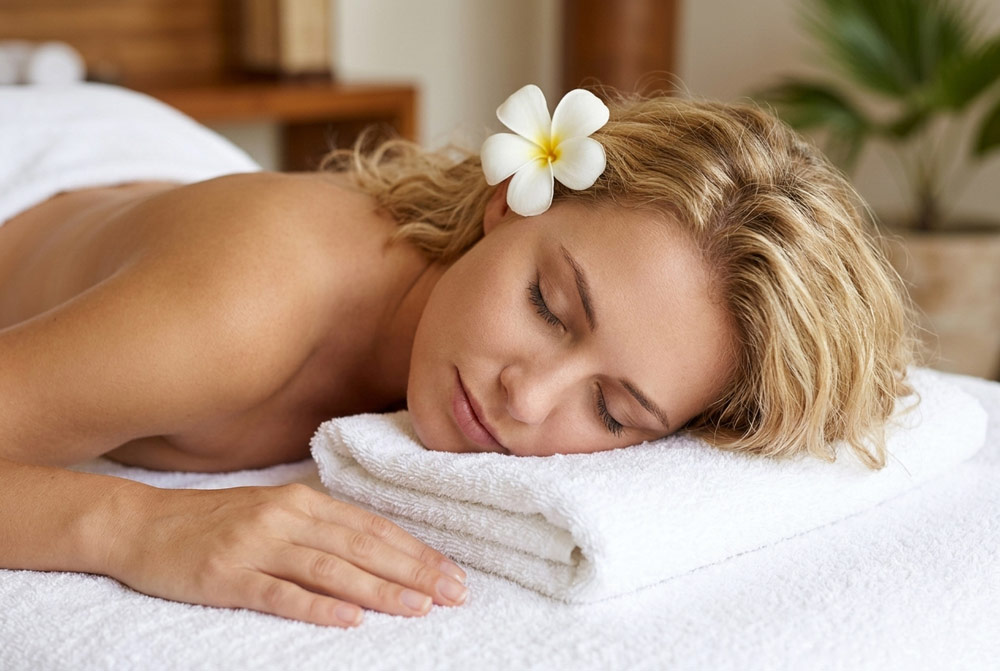
Swedish massage is often the best starting point when the main goal is overall relaxation. It uses longer, flowing strokes to warm the tissues, improve circulation, and gradually release surface-level tension across the body. This style is particularly useful when someone feels generally wound up and wants a calmer, more restorative session.
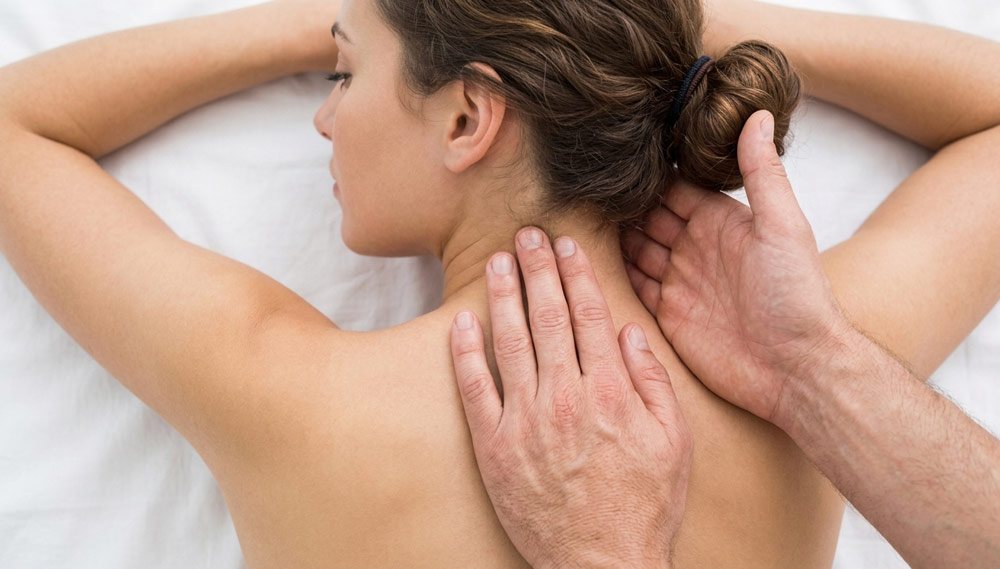
Deeper, more targeted work is better when stress has created specific tight areas. Many people store tension in the neck, shoulders, upper back, jaw, or lower back. In these cases I use more focused techniques to release the restricted muscles rather than working lightly across the whole body. This often produces a clearer sense of relief in the places that feel most stuck.
In practice, most sessions are a combination of the two. I begin by assessing where the tension is being held and then adapt the pressure and techniques accordingly. The goal is always the same: reduce the physical tension that is feeding the stress response and leave the nervous system in a calmer state.
Many clients are surprised to find that what they thought was just getting older or general stiffness is actually long-held stress showing up in the muscles. Once that tension is released, both the body and mind usually feel noticeably quieter.
Frequently Asked Questions
Yes. Stress causes the muscles to tighten, particularly in the neck, shoulders, jaw and upper back. By releasing this physical tension and helping the nervous system settle, massage can reduce the feeling of being constantly wound up. Many clients notice they feel calmer both during and after the session.
It depends on how your body is holding the tension. A more relaxing Swedish-style approach works well for general stress, while deeper, targeted work is better when specific areas (such as the neck, shoulders or lower back) are very tight. I assess this at the start of the session and adapt accordingly.
Most people notice a clear reduction in physical tension during the session itself. The calmer feeling often continues for several days afterwards. With regular treatment, the ongoing build-up of stress-related tightness tends to reduce.
Yes. After the treatment your muscles are looser and your nervous system is calmer. Having to drive home or sit in traffic can quickly bring the tension back. When the session is at your home, you can stay in a relaxed environment, which helps the benefits last longer.
It’s very unlikely. When the main goal is stress relief I use a controlled, steady approach rather than intense pressure. Some tight areas may feel strong at first, but it should remain comfortable. I always adjust to what feels effective for you.
This varies. Some people benefit from weekly sessions during particularly stressful periods, then move to every 3–4 weeks for maintenance. Others find a monthly session is enough to keep the tension from building up. I’ll give you honest advice based on what I find.
Summary
Ongoing stress often leaves the body in a state of low-level tension that doesn’t fully switch off. The result is tight muscles, reduced ability to relax, and a general feeling of being wound up even when the original stressors have eased.
By addressing the physical side of stress through targeted massage, many people find they recover more effectively and feel calmer in daily life. If this sounds familiar and you would like support in reducing that carried tension, book a mobile session at your home in York.
Book A Mobile Massage
If you would like to book a mobile massage in York please contact me on 07713 250352 or email david@massageinyork.co.uk. Includes sports massage, deep tissue massage and Swedish massage. For more information on booking click here