
Last Updated – July 2026
As a mobile sports and therapeutic massage therapist in York, I see a lot of clients with recurring lower back pain that doesn’t fully go away, even after stretching, physio, or regular lower back massage.
In many of these cases, tight hamstrings are a major hidden contributor. When the hamstrings are short and tight, they pull the pelvis out of alignment and force the lower back to overwork. This is a pattern I’ve seen hundreds of times, and one I know well from when I had long-term back pain.
With qualifications in sports massage and Advanced Personal Training, I take a targeted approach that addresses both the tight hamstrings and the lower back together. In this article, I explain how tight hamstrings cause back pain and exactly how I treat them with sports massage and corrective work at your home in York.
Table Of Contents
What Causes Tight Hamstrings
Tight hamstrings rarely happen from one single event. In most cases they develop gradually from the daily habits and activities I see in my York clients. The biggest cause I come across is prolonged sitting. Whether at a desk, driving, or in the evening on the sofa, sitting keeps the hamstrings in a shortened position for hours at a time. Over months and years the muscles adapt to this position and lose flexibility and strength when stretched out.
Other common causes include:
- Running or jogging, especially if you increase mileage quickly or don’t do enough mobility work
- Heavy leg training (squats, deadlifts, lunges) without balancing the front and back of the legs
- Poor posture when standing or walking
- Previous injuries to the lower back, hips, or knees that cause compensation patterns
In my experience, the combination of sitting all day and then training hard in the evening is particularly problematic. The hamstrings never get enough time in a lengthened position to stay supple. I also see many clients whose hamstrings become tight from one-sided activities, such as always carrying a bag on the same shoulder, favouring one leg when lifting, or jogging on roads with a camber that tilts the pelvis.
Because I had and treated my own severe back pain, I’m very aware of how these patterns develop. Many clients are surprised when I point out that their lower back problem actually started from years of tight hamstrings gradually pulling their pelvis out of alignment.

How Tight Hamstrings Cause Back Pain
The hamstrings connect to the lower part of your pelvis, while the muscles of your lower back connect to the upper part. Together they play a crucial role in controlling pelvic position during everyday movements, whether standing, sitting, bending forward, or squatting.
When your hamstrings are tight or weak, they pull the back of your pelvis down. This flattens the natural arch in your lower back and forces the lower back muscles (especially the quadratus lumborum and erector spinae) to work much harder to keep you upright and stable. Over time this constant compensation leads to tightness, fatigue, and pain in the lower back. Many clients I see have been dealing with recurring lower back pain for months or years without realising that tight hamstrings are a major part of the problem.
Sitting for long periods makes it worse because the hamstrings stay shortened all day. Then when you stand up or try to move properly, the pelvis can’t tilt correctly, putting even more strain on the lower back. The same thing happens during exercise, where tight hamstrings limit your range and force poor technique, which often leads to back pain after training.
In short, tight hamstrings don’t just affect the back of your legs, they disrupt the entire chain from your pelvis to your lower back. Treating only the lower back usually gives short-term relief. Real, lasting improvement comes when we address the hamstrings as well.
How I Treat Tight Hamstrings
When tight hamstrings are contributing to lower back pain, my goal is to restore proper pelvic alignment and reduce the strain on the lower back.
I start with a thorough assessment of your posture, hamstring flexibility, and how the pelvis moves. Then I use targeted sports and therapeutic massage to release the tight hamstrings, particularly focusing on the areas that are pulling on the pelvis. I also treat the lower back muscles that have been overworking to compensate, as well as the glutes which are often weak or inhibited when the hamstrings are tight.
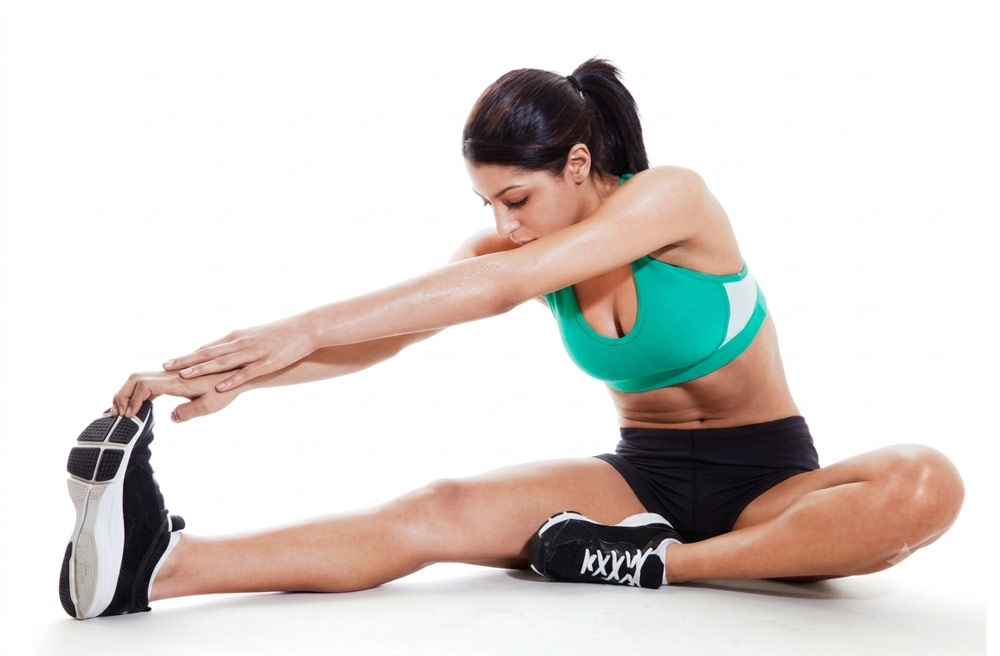
After the massage I give you specific stretches and mobility exercises that are actually effective for your particular pattern. Many clients find that a combination of regular massage and the right home exercises gives them much better results than stretching alone.
In some cases, significant back pain can make certain stretches difficult or even counterproductive at the start. That’s why I always tailor the treatment and exercises to what your body can handle on the day. Many of my clients notice improved hamstring flexibility, better posture, and reduced lower back pain after a few sessions. The key is addressing both the tight hamstrings and the compensatory patterns in the lower back and glutes.
Frequently Asked Questions
Common signs include lower back pain that gets worse after sitting for long periods, pain when bending forward, a feeling of tightness in the back of the legs, or difficulty achieving good form during squats or deadlifts. Many clients also notice their lower back pain improves temporarily after stretching the hamstrings but returns quickly. During your first session I can assess your hamstring flexibility, pelvic alignment, and movement patterns to see how much they are contributing to your pain.
Yes, very often. Tight hamstrings pull the back of the pelvis down, flattening the lower back and forcing the mucles there to work harder to keep you upright. This compensation pattern is one of the most frequent causes of recurring lower back pain I see in my clients. Many of them have been treating their back for months or even years without much success until we address the hamstrings properly.
Many clients feel noticeable improvement after 2–4 sessions. For long-standing tightness or chronic lower back pain linked to the hamstrings, I usually recommend an initial block of 4–6 sessions. After that, many people move to maintenance sessions once a month. I’ll give you an honest recommendation after the first assessment.
The hamstrings can be quite tender when they’ve been tight for a long time, but I always work within your comfort level and ask for your feedback regularly. Most clients describe the pressure as intense but relieving rather than sharp or painful. The goal is effective release without leaving you sore the next day.
Usually yes. I’ll give you honest advice based on what I find during the assessment. Many clients continue training with temporary modifications (e.g. reducing heavy deadlifts or squats) while we release the tightness and improve flexibility and strength. The aim is to keep you active while fixing the underlying issue.
I usually show clients specific hamstring stretches and mobility drills that are actually effective, along with glute activation exercises to balance the back of the legs. Reducing long periods of sitting, taking regular movement breaks, and improving overall hip mobility also make a big difference. Consistency with the home exercises is key for long-term results.
Yes, for most people it is. After deep work on the hamstrings and lower back, sitting in a car or driving can cause the muscles to tighten up again quickly. Having the session at home allows you to rest properly, do gentle movement, or apply heat if needed, which helps the results last much longer.
It’s rarely too late. Even long-term tightness responds well to consistent release work and the right strengthening and mobility exercises. I’ve helped many clients in their 40s, 50s and beyond who had been dealing with tight hamstrings and lower back pain for years.
Summary
Tight hamstrings are a very common but often overlooked cause of lower back pain. When they’re short and tight they pull the pelvis out of alignment and force the lower back muscles to overwork.
My approach is to release the tight hamstrings, calm the overworked lower back, and strengthen the glutes so the pelvis stays balanced. Many of my clients get significant and longer-lasting relief once we address this chain properly.
If you have recurring lower back pain and suspect tight hamstrings might be involved, I’d be happy to assess and treat it with a personalised mobile sports massage at your home.
Book A Mobile Massage For Tight Hamstrings & Back Pain
If tight hamstrings, prolonged desk sitting, or heavy leg training are pulling your pelvis down and putting constant strain on your lower back, a targeted treatment can help restore proper alignment.
I provide a fully equipped mobile sports, deep tissue, and therapeutic massage service directly to your door in York and surrounding areas.
To book or discuss your symptoms contact me on 07713 250352 or email david@massageinyork.co.uk or read more information on booking.