Mobile Sports Massage In York – Expert Therapy At Home

As a mobile sports and therapeutic massage therapist in York, I bring professional sports massage directly to your home.

Whether you’re an athlete recovering from intense training, someone with a physically demanding job, or simply looking to relieve built-up muscle tension and stress, my mobile service offers a convenient and highly effective solution. You don’t need to worry about driving, parking, or travelling after treatment as I come to you fully equipped.

With over 20 years of hands-on experience and a background as an Advanced Personal Trainer, I don’t just provide a standard massage. I focus on understanding your specific lifestyle, activities, and goals so I can deliver a truly personalised treatment that addresses the root causes of tightness, imbalances, and discomfort.

In this article, I explain what my mobile sports massage involves, the key benefits, and why so many people in York prefer having treatment in the comfort of their own home.

What Is Sports Massage?

Sports massage is a specialised form of therapeutic bodywork. It targets the muscles and soft tissues specifically involved in physical activity. Unlike general relaxation massage, its primary focus lies in supporting the body’s natural healing processes, optimising its function and preparing it for the rigours of athletic demands or active living. This therapy goes beyond simply addressing pain. Instead it proactively manages the physical stress that exertion places upon the musculoskeletal system.

The core objectives of a sports massage include:

Accelerated Muscle Recovery And Repair

Intense physical activity creates microscopic tears in muscle fibers and leads to the accumulation of metabolic byproducts. Sports massage actively promotes the removal of these waste products and enhances the delivery of oxygen and nutrients essential for repair.

Injury Prevention

Regular sports massage identifies and addresses muscular imbalances, tightness, and adhesions before they develop into more significant problems. By improving flexibility and tissue health, it reduces the risk of strains, sprains, and overuse injuries.

Enhanced Performance

Flexible, well-hydrated muscles perform more efficiently. Sports massage contributes to improved range of motion, better posture and optimised muscle mechanics. All of this translates into greater power, agility and endurance.

Improved Flexibility And Range Of Motion

Targeted techniques release chronic tension and restore elasticity to muscles and connective tissues. This allows for smoother, more expansive movement patterns.

Reduction Of Muscle Soreness (DOMS)

The delayed onset muscle soreness that often follows vigorous exercise can be significantly reduced. Massage helps to disperse the build-up of inflammatory byproducts. This eases discomfort and speeds up the return to comfortable movement.

Who Is Sports Massage For?

Sports massage benefits a wide spectrum of people including dedicated athletes, runners, cyclists, swimmers and regular gym-goers committed to their workouts. Also, anyone with a physically demanding job or an active lifestyle experiences similar muscular stresses. If you encounter persistent muscle fatigue, tightness or simply seek proactive physical well-being, sports massage offers tangible advantages. It also plays a crucial role in aiding recovery from specific injuries and can complement other rehabilitation efforts. My extensive qualifications and experience allow me to understand the unique demands placed on your body, ensuring a tailored and highly effective treatment.

A fit woman with defined abdominal muscles training on a treadmill in a gym, highlighting the athletic recovery and sports massage needs of gym-goers in York.

How Sports Massage Works

Understanding the mechanisms behind sports massage reveals its impact on the body. This therapy involves a range of techniques that interact with the physiological systems, promoting healing, recovery and peak function. It is a strategic manipulation of soft tissues designed to elicit specific therapeutic responses including:

Enhanced Circulation And Waste Removal

Deep tissue manipulation increases local blood flow. This fresh, oxygen-rich blood carries vital nutrients to damaged muscle tissues, accelerating their repair. Plus the increased circulation and lymphatic drainage removes metabolic waste products, such as lactic acid and other toxins. These accumulate during intense exercise and contribute to muscle soreness and fatigue. Flushing these out aids in quicker recovery.

Nervous System Response And Pain Relief

Sports massage influences the nervous system. Applying pressure and stretching techniques can reduce muscle stiffness and calm overactive nerve reflexes. This interaction helps decrease muscle spasms and alleviate pain. The release of endorphins, the body’s natural painkillers, also contributes to a sense of relief and overall well-being.

Tissue Elasticity And Adhesion Breakdown

Repetitive movements and injuries can lead to the formation of adhesions or scar tissue within muscle fibers and connective tissues. These restrict movement and cause pain. Specific sports massage techniques help to break down these adhesions, which restores elasticity. In Turn this improves flexibility and range of motion.

Fascial Release

The fascia, a web-like connective tissue, covers muscles, organs and bones throughout the body. Restrictions within the fascia can significantly impede movement and cause widespread pain. Myofascial release can release these restrictions to reduce tension.

Beyond these physical changes, sports massage offers significant psychological benefits. This includes lowering stress levels, mental relaxation and improved body awareness(1)

The Convenience Of A Therapist At Home

One of the biggest advantages of Massage In York is its convenience. Eliminating the usual challenges associated with clinic-based appointments, such as travel time, traffic stress and hunting for a parking space. My mobile service removes all of this.

Imagine finishing a strenuous workout or completing a demanding workday. Instead of battling traffic to reach a clinic, you simply go home and wait for me to arrive. With this comfort and privacy you can fully unwind during your session, knowing that the moment it concludes, you are already in your personal sanctuary. There is no need to immediately re-engage with the outside world, no requirement to rush home and no risk of “undoing” the benefits of your massage by immediately re-entering a stressful environment. This transition from therapy to relaxation significantly enhances the overall therapeutic experience and optimises recovery.
A relaxed woman in a white bathrobe resting comfortably at home, illustrating the stress relief and muscle tension release of a mobile therapeutic massage service in York.

Flexible Appointments

My mobile sports massage appointments are available seven days a week with availability extending into the evenings until 9 pm. So whether you’re a busy professional, a dedicated athlete, or a parent managing family life, there’s no excuse for skipping essential treatment. You do not need to prepare anything. I arrive fully equipped with everything required to transform your space into a professional therapeutic environment.

Benefits Of Mobile Sports Massage

Sports massage offers many advantages that translate directly into improved physical well-being and enhanced performance. Using these therapies consistently brings many benefits:

Injury Prevention & Rehabilitation

Sports massage primarily aims to prevent and treat injuries. It helps to identify and address subtle muscular imbalances, areas of chronic tightness and fascial restrictions before they escalate into significant injuries. Regular sessions improve the resilience and adaptability of your tissues. This significantly reduces the likelihood of common issues like hamstring strains, runner’s knee, shoulder impingement and lower back pain. For those already injured, sports massage is a vital part of the rehabilitation process. It aids in reducing inflammation and accelerates the healing cascade, helping you return to full activity sooner and minimising the risk of future issues.

Performance Enhancement

Optimal athletic performance relies on muscles working at their best. Sports massage unlocks this potential by improving flexibility and expanding range of motion. When muscles are supple and free from adhesions, they generate power more efficiently and move through their full range without restriction. This means greater force production, improved agility and enhanced endurance. The therapy also contributes to better posture and optimised biomechanics. This ensures that your body moves with maximal efficiency and minimal wasted energy.

Faster Recovery & Reduced DOMS

Intense physical exertion inevitably leads to muscle fatigue and micro-trauma. This causes Delayed Onset Muscle Soreness (DOMS). Sports massage significantly accelerates the recovery process by stimulating circulation and lymphatic drainage. In turn this efficiently removes metabolic byproducts like lactic acid that contribute to the soreness. Speeding up this process allows fresh blood, rich in oxygen and nutrients, to replenish and repair muscle tissues. As a result, you experience less downtime, reduced discomfort and a quicker return to training.

Stress Reduction & Mental Well-being

The physical demands of sport and active living are often linked to mental stress. Sports massage offers a calming effect on the nervous system by encouraging a state of deep relaxation to reduce stress hormones. With a clear, relaxed mind you will have better focus, improved decision-making and overall emotional balance.

Why Choose Me As Your Sports Massage Therapist

With over 20 years of hands-on experience, qualifications in sports massage (2005) and Advanced Personal Training (2008), I offer a professional and personalised mobile sports massage service in York.

After suffering with chronic pain for over 30 years following a serious car accident and having worked hard to overcome it, I developed a deep understanding of the body and what real recovery requires. This personal journey, combined with my professional training, allows me to deliver a level of care and insight that goes beyond a standard massage.

I don’t just provide a generic massage. I take time to listen to your specific needs, lifestyle, training regime (or daily demands), and goals. Every treatment is fully tailored rather than following a rigid routine. I combine effective sports and remedial massage techniques with knowledge from my personal training background to address both the symptoms and the underlying causes of tightness, imbalance, and discomfort.

Because I come to your home, you receive treatment in a comfortable, familiar environment with no stress of travelling afterwards. This relaxed setting often allows for better muscle release and longer-lasting results.

I genuinely care about helping my clients achieve better mobility, reduced pain, faster recovery, and improved quality of life. Many of my regular clients in York tell me they notice improvements not just in how their body feels, but also in their energy levels, sleep quality, and overall wellbeing.

If you’re looking for a sports massage therapist who truly understands the body and takes a personalised approach, I’d be happy to help.

Frequently Asked Questions

What should I expect during a mobile sports massage session?

When I arrive at your home in York, I set up a professional portable massage table and all necessary equipment. We begin with a short consultation to discuss your goals, any areas of concern, recent training, injuries, or tightness. The massage is then fully tailored to your needs using a combination of sports massage, deep tissue, and remedial techniques. After the treatment I give you specific aftercare advice, including stretches or exercises that will help maintain the benefits.

Is mobile sports massage as effective as clinic-based treatment?

Yes, in most cases it is equally effective and for some people even better. The quality of the treatment depends on the therapist’s skill and experience, not the location. Many clients actually relax more deeply in their own home, which allows me to achieve better muscle release. There’s also no drive home afterwards, so you don’t risk re-tightening the muscles you just worked on.

What should I wear for a sports massage?

Wear comfortable clothing that allows easy movement, such as shorts and a t-shirt or sports bra. During the massage you will be properly draped with towels at all times, with only the area being treated exposed. Your comfort and privacy are always my priority.

Do I need to provide any equipment or towels?

No, you don’t need to provide anything. I bring a professional portable massage table, clean towels, oils, and all necessary equipment. Some clients prefer to use their own towels for personal preference and that’s absolutely fine.

How far do you travel for mobile sports massage in York?

I cover most of York and the surrounding areas. This includes the city centre, all major suburbs, and villages such as Dunnington, Strensall, Haxby, Fulford, Bishopthorpe, and many more. If you’re unsure whether I cover your area, just get in touch and I’ll let you know.

How often should I have a sports massage?

This depends on your activity level and goals. Many of my regular clients book every 3–5 weeks for maintenance. Athletes or people with physically demanding jobs often benefit from sessions every 2–3 weeks, while those seeking general recovery might do well with one session per month.

Will the massage be painful?

I always work within your comfort level. Some areas that are very tight may feel intense at first (therapeutic pressure), but it should never be sharp or unbearable. I check in with you regularly and adjust pressure as needed. The goal is effective treatment, not testing your pain threshold.

Conclusion

Sports massage in York is a highly effective solution for anyone seeking to optimise their physical well-being. It is a specialised therapy that goes far beyond temporary relief by addressing muscle imbalances, accelerating recovery and preventing future injuries. Ultimately is enhances both athletic performance and daily comfort. The unique convenience of receiving professional, tailored treatment in the privacy of your own home eliminates typical logistical challenges. With my expertise in massage therapy and advanced personal training you receive a holistic approach to your care.

How to Book Your Sports Massage in York

If you would like to book a mobile sports massage in York please contact me on 07713 250352 or email david@massageinyork.co.uk. For more information on booking click here

Do Massages Work? Only If They’re Done The Right Way

Have you ever booked a massage to relieve a chronic ache or persistent pain, only to find it return within a few days? Perhaps you’ve sought help for lower back issue or a tight shoulders but soon after, the discomfort comes back. If so you might find yourself asking, “Do massages work?”. Well the answer is a resounding yes—but only if they’re performed correctly. Too often, massages fail to deliver lasting results because they target only the painful spot, ignoring the broader issues at play. In this article, we’ll look at why many massages fall short and how a systemic approach can offer a long-term solution to your pain.

The Problem With Many Massages

When you visit a massage therapist with a specific complaint—like pain on the left side of your lower back—it’s not uncommon for them to concentrate solely on that area. They might knead and press the sore spot diligently. They might even spend a few minutes on the right side too. And while this could ease the pain temporarily, it’s often a short-lived fix. The question “do massages work?” hinges on addressing more than just the surface-level ache.

Why Therapists Focus On Painful Areas

do massages work for a woman with hip pain
| Do massasges work if they only concentrate on the pain and not the cause?

Several things drive this narrow focus. Time is a major factor. A typical one-hour session leaves little room to explore beyond the immediate problem. Many therapists are also trained to zero in on the pain point, assuming that’s where the issue originates. Clients also play a role—often insisting the therapist “fix” the area that hurts, unaware that other parts of their body might be contributing to the problem. For instance, if the left side of your lower back hurts the right side is almost certainly in need of treatment due to overcompensating. Or there could be tension elsewhere that’s pulling your body out of alignment. Ignoring these connections means the relief is brief and the pain returns. To understand why, we need to see pain as a signal of a deeper, systemic issue.

Pain As A Symptom Of A Bigger Problem

Your body isn’t a collection of separate parts, everything is linked. Muscles, fascia, tendons and ligaments form chains that work together. When one link is out of balance, the effects ripple elsewhere. Pain alerts you to a problem but very often that problem isn’t the source, it’s a symptom, not the root cause.

Consider headaches. This is a common complaint that sends people to massage therapists. You might assume a tight neck is to blame and a neck massage feels good for a while. But why is your neck tight? It could stem from overworked trapezius muscles, which run from your neck across your shoulders and down your upper back. Look deeper and you might find the trapezius is compensating for tightness in your lower back, and that lower back tension could trace back to improper lifting habits caused by tight glutes. Your glutes anchor your posterior chain—a muscle group including the hamstrings, lower back and calves. If they get tight they can pull the entire chain out of alignment, leading to hamstring stiffness, hip pain, lower back issues and general spinal misalignment(1). And eventually that headache.

Beyond Headaches

This interconnectedness isn’t unique to headaches. Shoulder pain, for instance, might not originate in the shoulder at all. Tight chest muscles can pull your shoulders forward, causing strain. Focusing solely on the shoulder misses the chest’s role. Similarly, knee pain could stem from tight hips or calves. Pain is a symptom, and treating it in isolation rarely solves the puzzle.

The Systemic Approach to Massage

So, how do we answer “Do massages work?” with a confident, yes? The secret lies in a systemic approach—treating the body as a unified whole rather than a series of disconnected parts. A therapist using this method doesn’t just chase the pain, they investigate its source and its ripple effects.

Picture a yourself with left-side lower back pain. A systemic therapist wouldn’t stop at that spot. They’d assess the hips, glutes, hamstrings and calves, looking for imbalances or tension patterns. They might ask about your daily habits—how you sit, stand, or lift—to pinpoint what’s throwing your body off-kilter.

The treatment plan goes beyond the pain point. It might involve loosening tight glutes to ease the posterior chain, balancing the hips to stabilise the spine or stretching hamstrings to restore proper pelvic alignment. The goal? To fix the system, not just the symptom.

This approach often combines various techniques. Myofascial release targets the fascia—the connective tissue encasing your muscles—to free up restrictions. Deep tissue massage digs into deeper muscle layers to break up knots. Trigger point therapy tackles specific sore spots that refer pain elsewhere. Even Swedish massage, with its focus on relaxation and circulation, can support the process when paired with these methods.

Why Do Systemic Massages Work

The systemic approach transforms massage therapy from a quick, temporary fix to a lasting solution. Here’s why it stands out:

Long-Term Relief

By tackling the root cause—like tight glutes driving a chain reaction to your neck—systemic treatment can banish pain for months, years or even permanently. Compare that to the weeks or even just days relief from a symptom-focused session. Clients with chronic headaches, for example, might find they no longer need regular appointments after their posterior chain is balanced.

Prevention Over Cure

Fixing imbalances does more than relieve current pain, it prevents future issues. Proper alignment reduces strain on joints and muscles, lowering the risk of new injuries. This is important for amatuer athletes or anyone doing repetitive tasks like office workers hunched over desks or lifting heavy loads.

Holistic Benefits

When your body works as it should, you feel it everywhere. Energy levels rise, sleep improves and stress melts away. Clients often leave feeling lighter, not just in their painful areas but overall. It’s wellness that goes beyond the massage itselt.

Practical Takeaways

massages do work if treating the body as a whole
| By treating the body as a whole you can achieve lasting results

For that lower back pain tied to tight hamstrings, a therapist might teach you daily stretches to keep them supple. If posture is the culprit, they could show you how to sit with a supported spine or stand without slumping. These small habits reinforce the massage’s effects, reducing the need for constant follow-ups.

Understanding why your pain exists like, how tight glutes affect your whole body, puts you in control. You might tweak your lifting technique or add strengthening exercises to your routine. This partnership between therapist and client is what turns a good massage into a transformative one.

Conclusion

So, do massages work? Yes, but only if they’re done the right way. Most massages falter because they treat pain as an isolated problem, leaving the right side untouched in a left-sided backache or missing the systemic roots of a headache. Pain isn’t the enemy it’s a messenger, pointing to imbalances that need attention.

A systemic approach changes things by addressing the whole body. Improving the posterior chain for headaches or balancing hips for back pain it delivers relief that lasts. It’s not about quick fixes or endless bookings, it’s about fixing you for good.

Booking A Massage In York Today

If you would like to book a mobile massage or personal training please contact me on 07713 250352 or email david@massageinyork.co.uk. For more information on booking click here

Mobile Sports Massage – The Best Treatment, At Home

Massage In York offers mobile sports massage to provide a personalised way to help muscles recover, stay flexible and perform at their best. As a qualified massage therapist and advanced personal trainer based in York, I provide a mobile service that comes to your home. This guide explains what sports massage is, the techniques used and how it can transform athletic performance and everyday well-being as part of personlised treatment.

What Is Sports Massage?

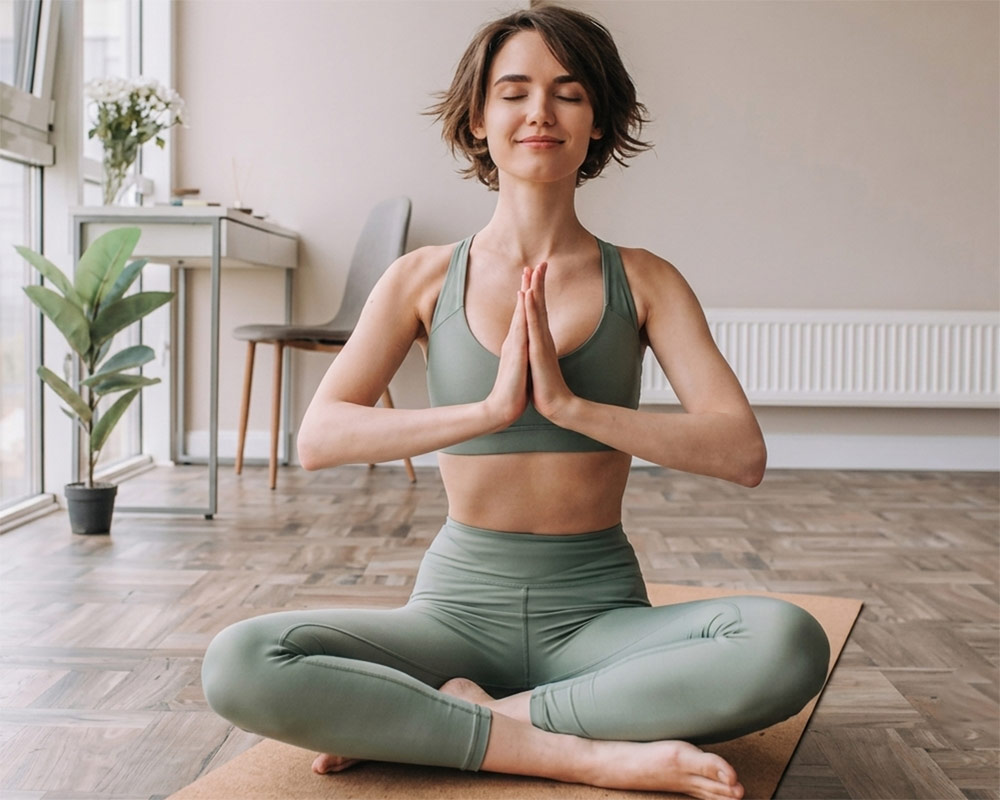
woman doing relaxing yoga after a mobile sports massage at home
| Have a mobile sports massage at home so when it’s over you can just relax

Sports massage is a specialised form of therapeutic treatment that targets muscles involved in physical activity. Unlike standard relaxation massage it focuses on alleviating muscle tightness, enhancing flexibility and preventing injuries. It combines deep tissue work, trigger point therapy and guided stretching to address areas where muscles tend to hold tension or become overworked.

This treatment is designed to:

  • Boost blood and lymphatic circulation
  • Dissolve muscle knots and release trigger points
  • Increase flexibility and improve range of motion
  • Accelerate the removal of metabolic waste products from muscles

By addressing both physical strain and mental stress, sports massage not only improves athletic performance but also contributes to greater everyday comfort and reduced pain. Mobile sports massage helps you integrate these benefits into a busy lifestyle to to speed up acute tightness or pain and fix chronic issues once and for all.

How Does Sports Massage Work

Enhancing natural healing processes is one of the main benefits of sports massage. Techniques like deep tissue manipulation and myofascial release increase blood flow, ensuring that oxygen and essential nutrients reach tired muscles. This improved circulation helps clear metabolic byproducts, which in turn reduces delayed onset muscle soreness (DOMS) and improves overall flexibility. Plus sports massage triggers the parasympathetic nervous system, lowering stress hormones and promoting a state of relaxation. The benefits to your body and mind support faster recovery and improved performance. Whether your training for competition or managing the physical effects of everyday stress, the effects of regular sports massage are proven (1)

Techniques Used In Mobile Sports Massage

Each session is designed to meet your specific needs. The treatment includes several main techniques based on your areas of concern and overall goals.

Deep Tissue Manipulation

Deep tissue manipulation uses slow, deliberate strokes and firm pressure to reach the deeper layers of muscle tissue. This technique is especially effective in breaking up adhesions and chronic knots that can restrict movement and cause persistent pain. By working deeply into overused muscles, it helps to restore normal function and reduce stiffness.

Trigger Point Therapy

Trigger point therapy involves applying focused pressure to small, sensitive areas within a muscle where pain is often concentrated. These trigger points can refer pain to other parts of the body and limit overall mobility. Releasing them can provide targeted relief, reducing pain in a specific area and improving overall muscle function.

Myofascial Release

Myofascial release centres on the fascia, the connective tissue that surrounds muscles. Over time, it can become tight and restricted, leading to discomfort and a reduced range of motion. By applying gentle, sustained pressure, this technique releases tension in the fascia, helping to restore its natural elasticity. The result is improved muscle performance and greater ease of movement.

Guided Stretching And Mobilisation

Guided stretching and mobilisation involves exercises that are designed to complement the manual techniques applied during the massage. Stretching routines target key muscle groups such as the hamstrings, quadriceps, calves, back and shoulders. These are chosen to maintain and extend the flexibility achieved during the massage.

For example, after deep tissue work on the hamstrings, specific stretches are provided to help lengthen the muscle fibres and maintain the improved range of motion. Mobilisation techniques include gentle joint rotations and dynamic stretches that help loosen the surrounding soft tissues, ensuring that the benefits of the massage persist after the session has ended. This comprehensive approach not only improves immediate flexibility but also contributes to long-term improvements in muscle balance and overall mobility.

Benefits Of Mobile Sports Massage

The following advantages highlight why mobile sports massage is the best option if you’re looking to minimise muscle pain and optimise physical performance.

Faster Muscle Recovery And Reduced Soreness

After intense exercise or long workdays, muscles often become fatigued and sore. Sports massage accelerates the recovery process by stimulating blood circulation and promoting lymphatic drainage. This process helps to remove metabolic waste products from the muscles, leading to reduced soreness and a quicker return to normal activity. Athletes typically benefit from weekly or biweekly sessions, while others can experience noticeable improvements with weekly treatments.

Enhanced Flexibility And Range of Motion

Regular sports massage helps to loosen tight muscles and release restrictions in the fascia, resulting in improved flexibility. A greater range of motion not only enhances athletic performance but also reduces the risk of injury in everyday activities. The stretching and mobilisation techniques provided during a session are key to maintaining these benefits. As well as ensuring that muscle fibres remain flexible and balanced.

Reduction Of Muscle Tension And Pain

Chronic muscle tension can lead to ongoing discomfort and even more serious conditions if left untreated. Sports massage targets these tight areas using deep tissue techniques and trigger point therapy to reduce tension and dissolve painful knots. This targeted relief can significantly decrease discomfort and prevent further complications developing (2)

Improved Mental Well-being

The benefits of sports massage extend beyond the physical. By lowering cortisol levels and activating the body’s relaxation response, it can also promote a state of mental calm. This stress reduction not only aids in muscle recovery but also enhances overall quality of life, making it easier to manage stress, whether it’s from athletic competition or daily stress.

Injury Prevention And Rehabilitation

Sports massage plays a crucial role in both preventing and rehabilitating injuries. By addressing muscle imbalances and releasing chronic tension, regular sessions can reduce the likelihood of strains, sprains, and other injuries. For individuals recovering from an injury, customised treatments help to restore muscle function, speed up healing, and reduce the risk of re-injury, supporting a smoother transition back to full activity.

The Convenience Of Mobile Sports Massage in York

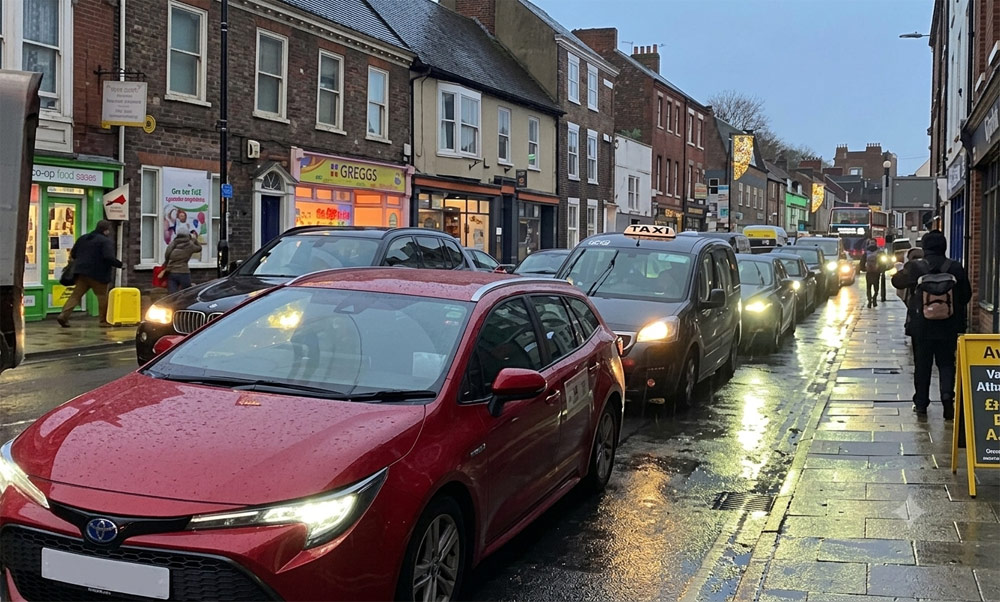
gridlocked traffic in york on way to sports massage
| Why fight your way through this when you can have a mobile sports massage at home?

One of the main benefits of mobile sports massage is the convenience it offers. Instead of navigating through York’s notorious traffic to reach a clinic, you can have a session in your home. This convenience not only saves valuable time but also eliminates the stress associated with commuting in a busy city. With flexible scheduling available 7 days a week up to 9pm, treatments can be easily incorporated into even the most hectic of schedules. The ability to receive professional treatment without the need to travel means that recovery becomes an accessible, stress-free experience. This makes mobile sports massage an ideal choice for busy professionals and active individuals alike.

Frequently Asked Questions

What is the difference between a sports massage and a regular massage?
Sports massage specifically targets muscles used during physical activity through deeper pressure and techniques like trigger point therapy and myofascial release, whereas a regular massage is more focused on general relaxation.

How often should I get a sports massage?
Competitive or amateur athletes typically benefit from sessions weekly or biweekly, while people with less intensive routines or average daily activity may find that weekly treatments are sufficient to maintain muscle balance and reduce tension.

Is mobile sports massage in York as effective as clinic-based treatment?
Yes, mobile sports massage in York delivers the same high-quality, personalised treatment as that provided in clinics. The convenience of having the service come to your home can even enhance the overall experience.

What should I do before and after a session?
Before a session it is advisable to stay well hydrated, avoid heavy meals and wear loose, comfortable clothing. After the treatment, follow personalised guidance on stretches, hydration and self-care to maintain the benefits and promote faster recovery.

How To Book A Mobile Sports Massage

If you would like to book a mobile sports massage at home in the York area please contact me on 07713 250352 or email david@massageinyork.co.uk. For more information on booking click here

Sports Massage For Lower Back Pain

As a mobile sports and remedial massage therapist in York, I frequently treat clients with stubborn lower back pain that hasn’t responded well to standard treatments. My approach is shaped by both my professional qualifications and my own 30+ years of living with chronic back pain after a serious car accident in 1989. Having qualified in massage in 2005 and as an Advanced Personal Trainer in 2008, I now combine sports massage with a deep understanding of strength training and movement patterns. I never use a standard “lower back pain” massage. Whether the pain is coming from a tight Quadratus Lumborum (QL), weak Gluteus Medius causing compensation, old scar tissue, or postural issues from desk work or training. Instead I focus on finding the real mechanical drivers behind your pain, not just treating the symptoms. In this article, I’ll explain the most common causes I see in my York clients and how my individualised approach can help you move from constant pain management toward better function and long-term relief.

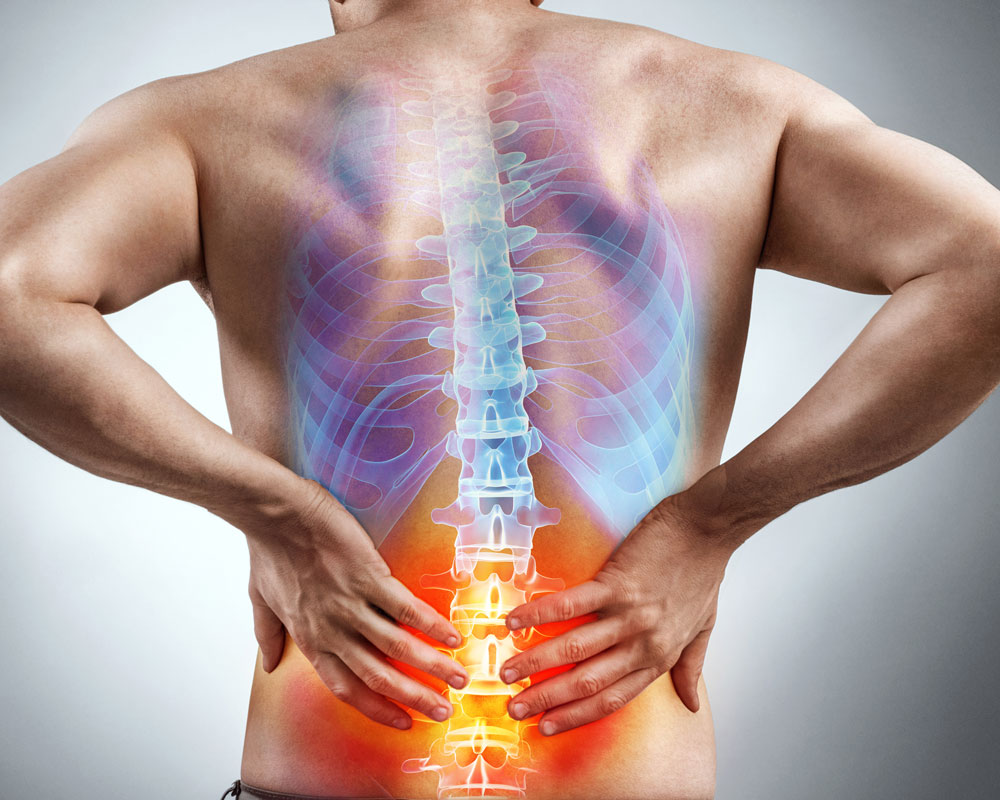
Anatomical illustration of a man with lower back pain, highlighting the lumbar spine and muscles treated by a sports and remedial massage therapist in York.

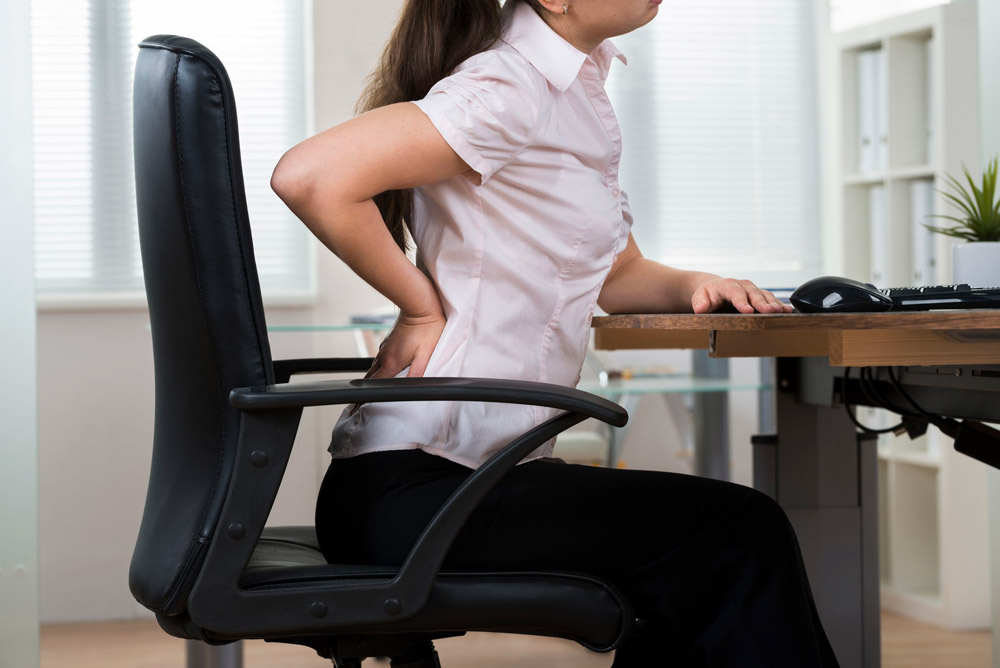
Lower Back Pain When Sitting

Many health experts have said that too much sitting is as bad for our health as smoking(1). Whether or not this is true, it’s definitely bad for your back. If your lower back pain is like an ache when you’re sitting, there’s a good chance that prolonged sitting is what caused it in the first place. This could be from driving in York, working at a desk, or slumped on the sofa working from home. Unless you have a very strong core that can keep your back in its correct position for several hours a day your muscles are going to be tight. And tight muscles eventually become sore and inflamed, even when you’re not sitting.

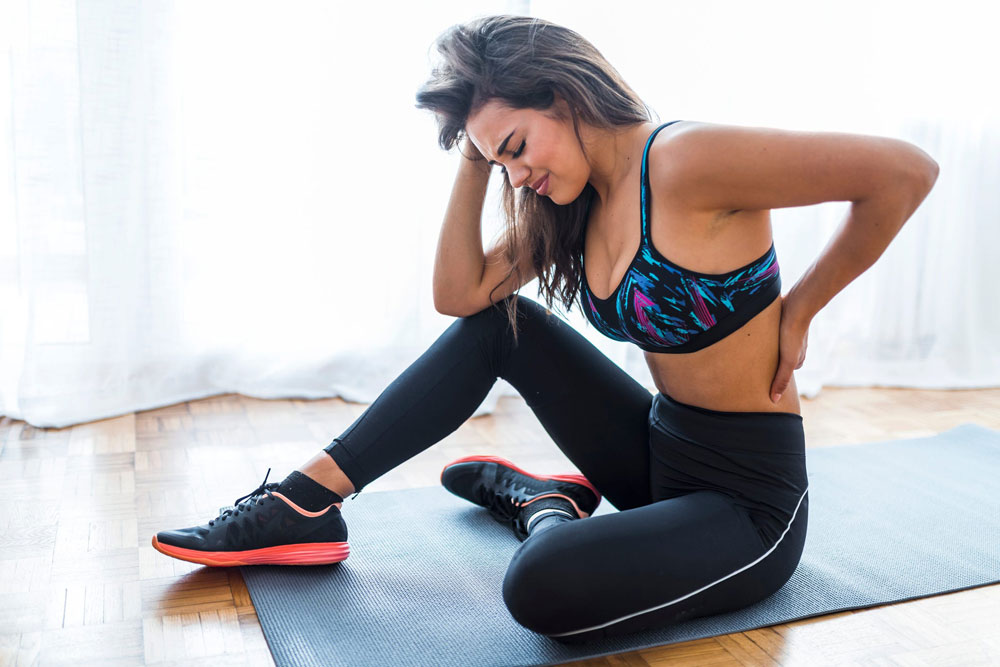
Woman sitting on a gym mat holding her lower back in pain, illustrating a weight training injury that requires assessment from a York sports massage and personal training specialist.

But Is It Just Your Lower Back?

If prolonged sitting is the reason you’re wanting of a sports massage for lower back pain, it will definitely help. But the area most in need might not be in your lower back, it could be the muscles of your hips and glutes. When you’re in a seated position, your hip muscles contract and become shortened. As are your gluteus medius, gluteus minimus and piriformis. This means they will tighten up, become inflamed and have reduced blood supply. And that can send pain into your lower back. The job of those muscles is to assist with hip abduction when you’re walking. When they’re tight however, your quadratus lumborum (QL) has to take over. This back muscle now has to do a job it wasn’t designed for, which further stresses something that is already a tight and weak.

Lower Back Pain When Standing

If your lower back issues are at their worst when you are standing, or straightening up after bending forward, the cause is likely to be related to your hips and glutes. As mentioned earlier, sitting for long periods can tighten up those muscles and affect your back. But so can prolonged standing. This doesn’t mean when you’re walking around or being generally active though. It means standing in pretty much the same place.

Jobs such as a barrista, factory worker or chef are good examples(2).

Why Is This Bad For Your Muscles?

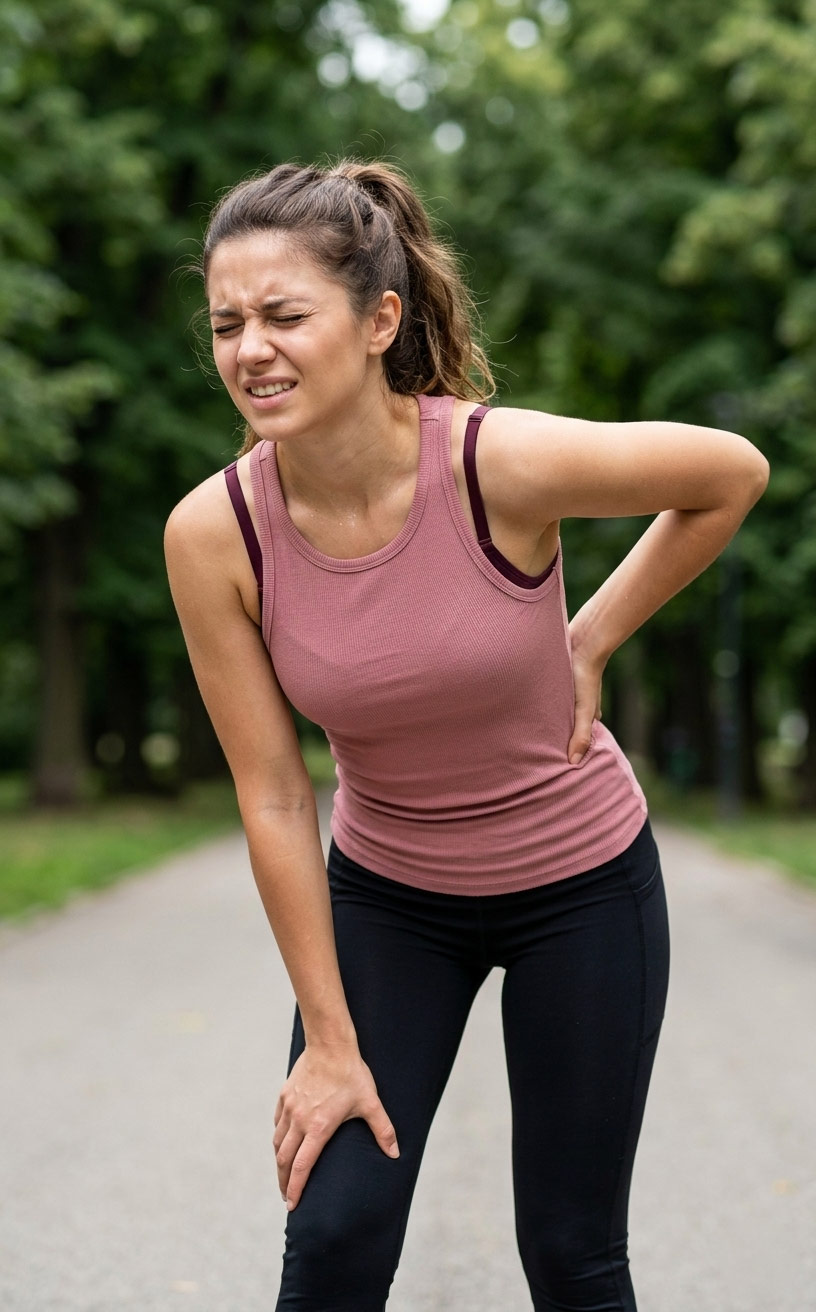
Woman in athletic wear holding her lower back in pain outdoors, illustrating back injury triggers from jogging or weight training addressed by a York sports massage therapist.

This position shortens your glutes and your lower back, leading to a lack of flexibility in these muscles. Specifically, your gluteus maximus and medius and your quadratus lumborum (QL). As well as your erector spinae muscles which run alongside your spine from your lower back up to your neck. And let’s not forget your hamstrings, already tight from sitting and driving, which can tighten further, adding to the discomfort.

Bending forward becomes a particular struggle when these shortened muscles tighten further, leaving your lower back feeling stiff and achy.When you do, all of these muscles have to stretch, which they no longer find easy. And because your glutes can’t do the job they’re meant for, your hamstrings and especially your lower back have to try to take over. This can turn a chronic back ache into a jolt of sudden of pain. Even if it’s something as simple as putting on your socks in the morning.

Lower Back Pain In Bed

If you struggle through the day with back pain you can at least check your sitting and standing posture. You can also do some gentle stretches and mobilisation exercises to help prevent things getting worse while you have treatment. For some people, laying down takes all of the pressure off their back and allows them some relief. But for others, laying down, especially in bed, can make things even worse. And a good night’s sleep free from waking up every time you turn over a distant memory.

A woman waking up in bed with lower back pain and morning stiffness, a condition treated by a mobile sports and remedial massage specialist in York.

Getting Up Can Be Even Worse

You might also find sitting up to get out of bed in the morning just as difficult. And instead you have to wriggle on to one side so you can get your knees underneath you and then roll to the floor. This problem can be caused by issues which have been mentioned before. A tight quadratus lumborum (QL), erector spinae and tight glutes.

If you tend to sleep on your front or back this puts these muscles in a very short position. As a result they will stiffen up during the night. Sitting up to get out of bed then requires these muscles to stretch, which is what causes the pain. Side sleeping stretches one QL while shortening the other, creating a muscle imbalance that can contribute to pain. Especially if you have a soft mattress(3). Then when you try to turn over you are asking these muscles to work and for the shortened muscle to stretch. Not only can this action be very painful it can also cause injury in the form of a muscle strain.

Exercise And Lower Back Pain

There are many causes of lower back pain while exercising, whether this is group classes, lifting weights or jogging. And while the muscles involved are usually the same, the reason why you are having problems with them can differ.

Lower Back Pain From Deadlifts

If deadlifts are your issue, such as a sharp pain or stiffness during the exercise, there are two main reasons. The first is glute muscles that are too tight or weak to allow you to bend at the hip. The second is a tight QL and erector spinae muscles trying to do a job they’re not designed for. Both of these things will also prevent you from maintaining a correct S-shaped spine and instead it will be more C-shaped. If you are doing squats, these tight muscles will instead cause an excessive lumbar curve. And this will put a lot of pressure on your lower back.

Lower Back Pain When Jogging

If jogging around York is when you feel your lower back pain, a common reason is tight glute muscles. Specifically, your gluteus medius. The reason for this is when you run (or walk) it should be doing the job of hip abduction. But if it’s tight and weak your QL has to do the work instead, which puts excessive strain on your lower back. Running on hard surfaces like pavement or roads can further exacerbate the situation.

Lower Back Pain From Exercise Classes

The two previous examples can cause your lower back pain even if you’re concentrating on your technique. But doing them at speed in a group exercise class such as Body Pump can be just as bad if not worse. Countless reps involving bending, lifting and twisting with no time to think about that twinge in your back can all add up to a major problem. And a tight muscle anywhere can lead to compensation by others that shouldn’t really be involved in that movement.

Poor Posture And Lower Back Pain

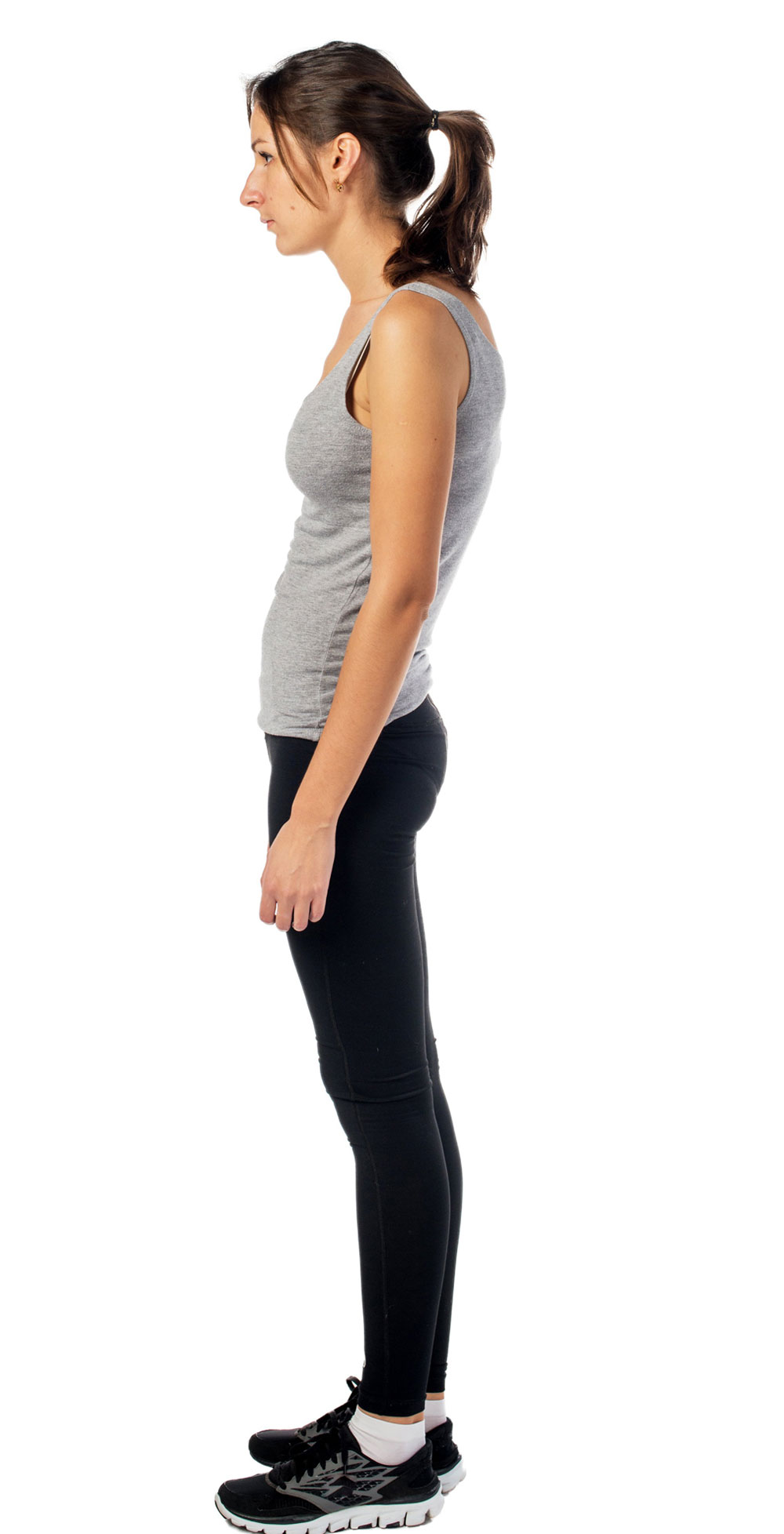
Having a good posture means your body is in its optimum position for what it’s doing. Whether this is sitting, standing, picking something up, running, doing a specific exercise at the gym, DIY, gardening, using your phone or laptop or even sleeping. If your posture is good, you are less likely to get injured. This is because you are using your body as it was meant to be used. If it’s bad you could be using the muscles on one side more than the other. Or making them work in a way they’re not designed to.

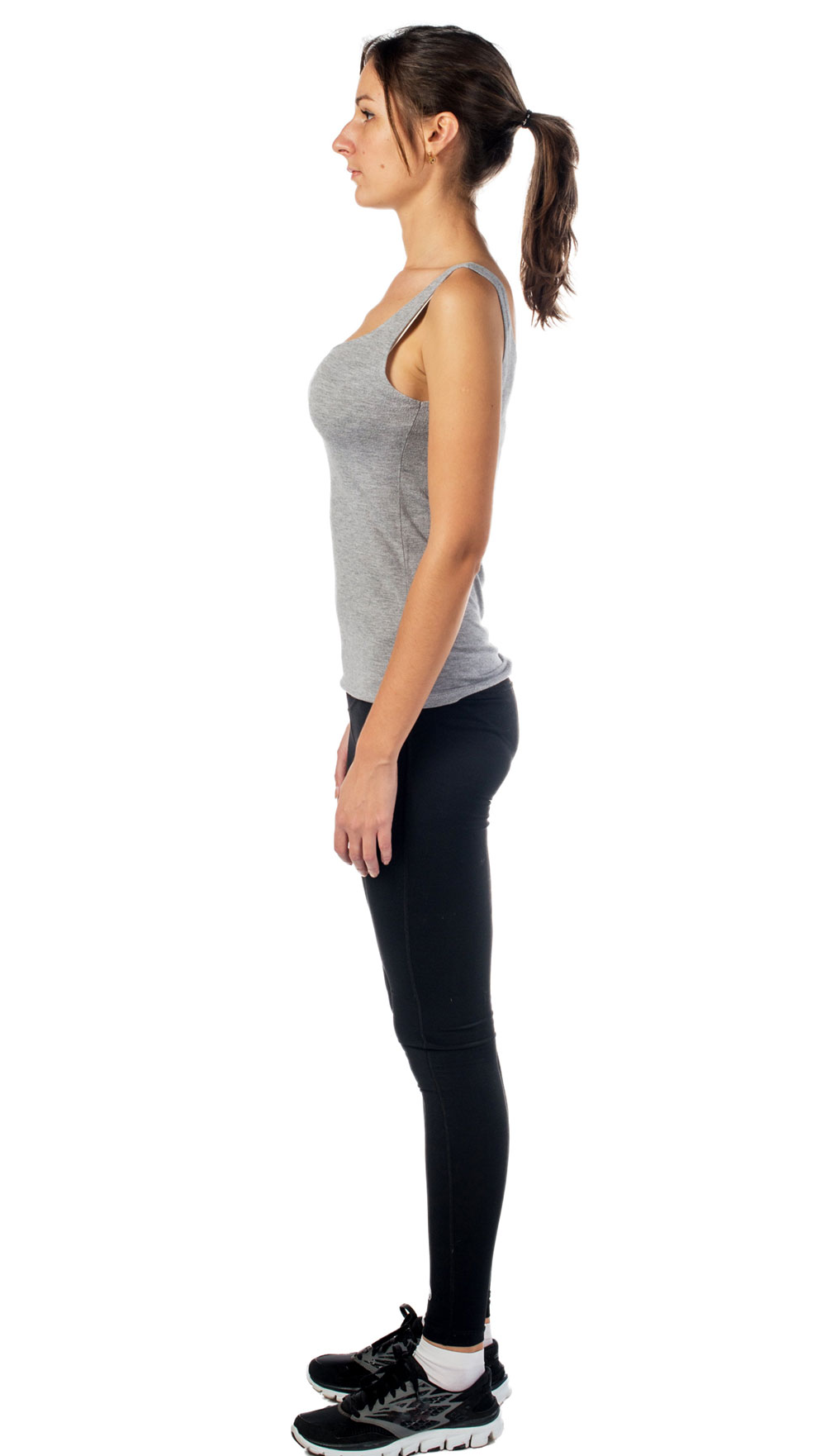
Side view of a woman with forward head posture and rounded shoulders, illustrating postural imbalances treated by a York sports massage therapist and personal trainer.

It could be that many years ago you had an accident or injury that caused a small change to your posture you were unaware of. And over time this has developed into something far more significant in that area. Or it could have progressed to the point where the painful muscle is not the one you originally injured(4).

What Does This Have To Do With Lower Back Pain?

Well, if you have a poor posture it affects the way you sit, stand, move and lift. Instead of maintaining a healthy S-shaped curve, chronic poor posture can gradually flatten your lower back, setting the stage for potential discomfort. Especially if you slump in your chair.

Another common cause is picking things up by bending at your waist rather than your hips, which can lead to a strain or even a slipped disc. In turn this can lead to excessive lumbar curve and be the cause of problems in your upper back. The reason for this is your glute muscles have become tight and therefore weak. This means that your hamstrings and lower back have had to take over the role to compensate. Your erector spinae and QL also then become tighter and therefore shorter, which is what causes you to have a poor posture. And your poor posture is what can cause lower back pain.

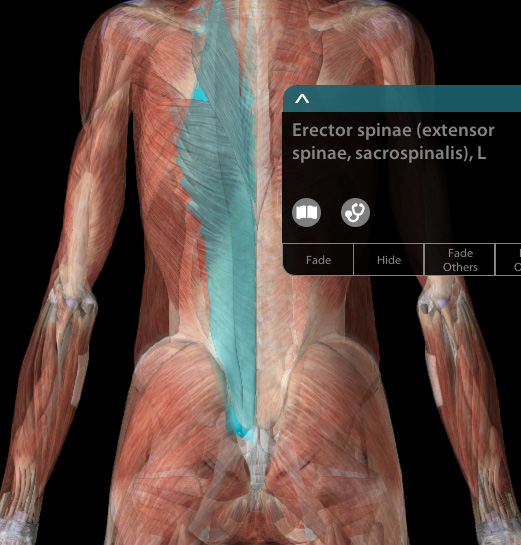
3D anatomical diagram highlighting the erector spinae muscle group, illustrating the clinical focus of remedial massage therapy in York.

Muscles Targeted In A Sports Massage For Lower Back Pain

This article has highlighted the quadratus lumborum (QL), the erector spinae and the gluteus medius muscles as major contributors to lower back pain. But where exactly are they and how will a sports massage for lower back pain help?

The Quadratus Lumborum (QL) And Erector Spinae

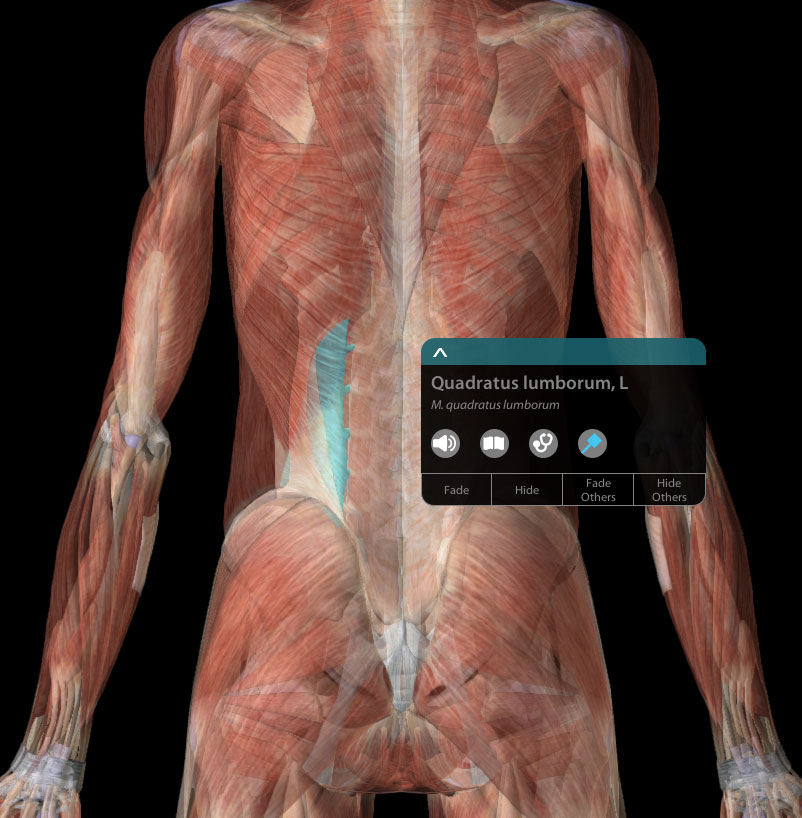
The QL is a deep muscle in your lower back. It runs from the iliac crest of your pelvis and connects to your lumbar vertebrae and lowest rib. If just one side contracts you will bend to that side at the waist. If you are already bending forward and both sides contract they will straighten you up to an upright position.

Anatomical diagram of the Quadratus Lumborum (QL) muscle, a key area for lower back pain relief through sports and remedial massage in York.

The erector spinae is a group of 3 muscles alongside your spine. They run from the iliac crest of your pelvis all the way up to your head. Like the QL, if one side contracts you will bend to that side, if both sides contract you will straighten. The difference is that the erector spinae affect the length of the back, therefore keeping it straight during a deadlift type movement.

Tightness in the erector spinae or QL will contribute to an excessive lumbar curve. And it is tightness, overuse or incorrect use of these muscles that is most often responsible for lower back pain.

The Gluteus Medius

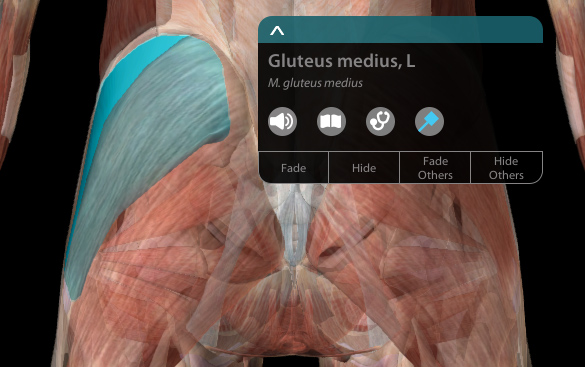
Although you are less likely to feel pain in your gluteus medius, issues here are often the initial cause of your lower back pain. It is hidden deep under your gluteus maximus (buttock) and connect your femur (thigh) to your pelvis. When contracted it abducts your hip, meaning it moves one leg away from the other. It also stabilises your pelvis when you walk or run. Problems arise when you do something that involves bending at the waist, especially with a heavy weight or when twisted. It is tightness or weakness here that contributes to incorrect use of the QL.

Anatomical 3D diagram highlighting the gluteus medius muscle, illustrating its role in pelvic stability and lower back pain relief through remedial massage in York.

How A Sports Massage Can Help Lower Back Pain

A sports massage at home for lower back pain would initially focus on reducing the discomfort in your QL and erector spinae. This means getting rid of any scar tissue that has built up and increasing blood supply to the area. As well as increasing flexibility to allow your pelvis to move more freely. This is likely just a symptom of issues with your gluteus muscles however. So in order to prevent your back issues returning the underlying cause should be dealt with by also massaging your gluteus medius.

Side view of a woman with correct neutral spine alignment and good posture, following remedial massage and postural correction in York.

Frequently Asked Questions

What’s the difference between your sports massage and a standard back massage?

I don’t do standard back massages. I assess movement patterns and compensation (weak glute medius making the lower back overwork, or tight hips from sitting/driving) and treat the real causes of your pain—not just where it hurts. After curing my own 30+ years of chronic lower back issues, I learned that the pain is usually the symptom, not the cause. I combine clinical massage to release the tight areas with knowledge from my personal training background to address why those muscles became tight in the first place. This is why many clients get longer-lasting results.

How many sessions will I need for lower back pain?

It really depends on how long the issue has been there and what the underlying causes are. For recent or mild cases, many clients notice a meaningful difference after 2–3 sessions. For chronic or recurring pain that has built up over years (which is very common), I usually recommend an initial course of 4–6 sessions spaced 1–2 weeks apart. The early sessions focus on releasing tight muscles and improving mobility, while later ones strengthen weak areas and lock in better movement patterns so the pain doesn’t keep returning.

Do you treat lower back pain caused by desk work or long driving commutes?

Yes, this is one of the most common patterns I see. Prolonged sitting shortens hip flexors and glutes while weakening the deep stabilisers. I target the QL, erector spinae, glutes, and hip flexors specifically, then show you simple resets you can do during the day (e.g., standing breaks, glute activation, hip flexor stretches). Many office workers and drivers notice they can sit or drive longer without the usual end-of-day ache after a few sessions.

Can mobile sports massage really be as effective as going to a clinic?

In my experience, it often works better for lower back pain. You’re in your own space, so you’re more relaxed. There is no drive home afterwards that can tighten everything up again. I can also show you quick follow-up techniques using things you already have at home (cushions, walls, chairs). Plus a mobile massage in your home is a lot more personal and one-to-one than the conveyor belt feeling you get from many clinics. The knowledge and experience of the therapist giving the massage is far more important than the location.

Is sports massage painful when treating lower back issues?

I always work within your comfort zone and encourage your feedback. Some areas (especially deep glute work, QL, or scar tissue) can feel intense at first because those muscles have been locked up for a long time. Most clients describe it as “good pain” or therapeutic pressure that eases as the tissue releases. I never force anything—if it’s too much, we adjust immediately. The goal is relief and improved muscle function, not to see how high your pain threshold is.

Will sports massage help with sciatica or disc-related pain?

It can help a lot with the muscular side of sciatica—tight piriformis, glute medius, or QL muscles often compress or irritate the nerve. I focus on releasing those areas and improving pelvic alignment. However, if there’s a significant disc bulge or nerve root compression, I always advise working alongside your GP, physio, or specialist. Massage is complementary, not a replacement for medical diagnosis.

How soon after a session can I return to exercise or heavy lifting?

For most people, light movement and walking the same day is fine and even helpful. For heavy lifting or intense training, I recommend listening to your body. Many clients feel noticeably better mobility within 24–48 hours as inflammation drops and range improves. If the session was releasing a chronic issue I suggest taking it easy at first to let the body adapt. A muscle that might not have been active for months or even years doesn’t suddenly want to be part of your heavy deadlift or squat routine.

What should I do between sessions to make the improvements last?

The biggest difference comes from the simple things you do consistently. I can give you targeted stretches and mobility drills that are specific to your problem areas — for example, glute medius activation work, QL stretches, hip flexor release, or gentle thoracic rotations. It depends on what we find during the session. The key is quality over quantity: 10–15 minutes a day done properly is far more effective than 30 minutes done occasionally. I’ll show you exactly what to do and how to do it so you’re not guessing.

Is there anything I should avoid before or after a session?

Avoid eating a heavy meal or drinking alcohol before we meet. I also recommend avoiding painkillers immediately before the session if possible as these can mask your natural pain response. This makes it harder for us to gauge the correct pressure and ensure the treatment is both safe and effective.
Following the session, I will provide you with a set of specific instructions tailored entirely to your physical presentation and the issues we addressed. This isn’t “one size fits all” advice. Depending on whether we focused on acute nerve irritation or chronic postural resetting, I will direct you on exactly how to manage your activity levels, hydration, and movement for the first 24 hours to ensure the best results.

How To Book

If you would like to book a sports massage in York please contact me on 07713 250352 or email david@massageinyork.co.uk. Includes sports massage, deep tissue massage and Swedish massage. For more information on booking click here

Sports Massage – What Are They & Who Are They For

Sports massage is often confused with deep tissue massage and there is some crossover in techniques. Developed primarily for athletes, sports massage aims to assist them before, during, and after events or training. These treatments also extend to addressing injuries, improving flexibility, and managing chronic pain. So you don’t have to be an athlete to benefit from them.

What Is A Sports Massage

Woman Getting A Sports Massage In York
| The lower back is a common area that can benefit from a sports massage

As you might expect, a sports massage caters primarily to athletes and individuals who actively participate in athletics. Whether this is weight training, aerobics or an actual sport. But anyone can benefit from improved muscle health, range of motion, better posture and the treament of injuries. Massage therapy targets muscles in the affected area as well as other soft tissues. This includes ligaments, tendons and fascia. Fascia is a band or sheet of connective tissue that attaches, stabilizes, encloses and separates muscles (1).

A sports massage might just involve common massage techniques such as effleuruage and petrissage. Effleurage, a key component of the initial phase, gently warms and relaxes your muscles, preparing them for the deeper work to come. After releasing toxins during the treatment, effleurage then helps flush them out. It is simply a general stroking of the general body area and can be followed by petrissage. This is a deeper technique using more pressure to reach underlying muscles. But your sports massage could also involve stretching muscles to loosen them up and improve range of movement.

Types Of Sports Massage

Anyone can benefit from a sports massage given by a qualified massage therapist at Massage In York. But when it comes to treatment for athletes there are four main types.

Pre-Event

Given an hour or so before an event or training to stimulate and warm up your muscles. Especially those that will be involved the most or where you are prone to injury. They promote relaxation and help to reduce stress and anxiety about the upcoming event. And to enhance focus and performance, athletes can opt for a massage during visualization or rehearsal sessions.

Restorative

Given during an event or training to help remove toxins and improve blood flow to your muscles. It also helps prevent or stop cramping and ease minor injuries. To address the demands of a multi-event day, athletes can utilise sports massage to optimize their recovery and prepare for subsequent events. It also helps to reduce Delayed Onset Muscle Soreness (DOMS).

Post-Event

Given an hour or so after an event or training. It removes toxins, improves blood flow and promotes normalisation and growth of your muscles. It also reduces Delayed Onset Muscle Soreness (DOMS). Sports massage can also identify new or potential injuries that the athlete is not yet aware of.

Rehabilitation

This type of massage is best done on a light training or rest day. Its purpose is to treat or prevent injuries, chronic pain or flexibility issues. Also any DOMS the athlete is experiencing can be relieved by improved blood flow through the area. I also use massage after surgery as part of a rehabilitation program.

Who Would Benefit From A Sports Massage

Sports Massage In York Benefits
| A massage can have many benefits

Sports massage primarily targets individuals involved with sports or gym activities, whether this is a professional athlete or an amateur. But if you experience sprains, strains, tension, knots, stiffness, or general aches from demanding physical activities like gardening or DIY projects, the challenges can be the same.

Sports Massage Or Deep Tissue Massage

Sports massage and deep tissue massage share many techniques but their applications differ. Sports massage serves as a preparation tool for athletes participating in events or training. It also helps as a cool down for the muscle and soft tissue afterwards. A deep tissue massage has several benefits which includes easing stress or tension, reducing inflammation and increased relaxation. (click here for more on deep tissue massage). Where the two massages are similar is when it comes to treating injuries, pain or tight muscles. But it’s not necessary for you to know which type of massage you require. If you’re not sure which is best for you, just ask me and we can decide on how best to treat your particular issue.

Book A Mobile Massage

If you would like to book a mobile sports massage in York please contact me on 07713 250352 or email david@massageinyork.co.uk. Includes sports massage, deep tissue massage and Swedish massage. For more information on booking click here

Mobile Massage In York – FAQ’s

Massage in York offers mobile massage in York and the surrounding area. I am an experienced, fully qualified massage therapist and if you’re in need of a massage, I will come to you. If you want information on how to book a mobile massage click here. Or keep reading for answers to the most frequently asked questions. 

Why Have A Mobile Massage In York?

If a hectic life is giving you stress or you’re struggling to get about due to back pain or an injury, the last thing you want to do is fight your way through York’s endless traffic or walk any further than absolutely necessary to get treatment. A mobile massage from Massage In York is the answer. Available from 9am to 9pm, 7 days a week, you can book a massage to fit in with your schedule.

What Does A Mobile Massage Involve?

Besides taking place in your home, a mobile massage is like any other massage and can involve different techniques to suit your needs. This includes a Swedish massage for relaxation, insomnia treatment, a boost to your immune system and numerous other benefits. Click to find out more about Swedish Massage.

Deep Tissue Massage and Sports Massage are for treating pain or injuries. Whether this is back or neck pain from prolonged computer work or a strain from sport or working out. Or rehabilitation to help improve flexibility and mobility after recovery an injury or operation. Click to find out more about Deep Tissue Massage or Sports Massage.

If you aren’t sure what type of massage your need that’s not a problem. Whether you’re wanting general relaxation or something more specific such as an area of tension or injury, we can decide together which would be best.

Does A Massage Hurt?

Despite what many people believe, a massage does not have to hurt to be effective(1). For optimal results, when treating injuries or addressing knots, a deep tissue massage will prioritize muscle relaxation. If the level of pressure is causing you pain or too much discomfort you are unlikely to be relaxed. In the unlikely event this is the case during your massage don’t be afraid (or too polite) to say so.

Do You Provide Oil, Towels etc?

Just like you wouldn’t expect to take your own towels to a salon, a mobile massage from Massage In York is no different. I provide everything that is required. However, if you wish to use your own towels, as some people prefer, you are welcome to do so. Also if you have allergies you might want to provide an oil that you know is suitable.

Do I Need To Complete A Health Questionnaire?

Completing a brief consultation form is necessary before the massage begins but this does not affect your massage time. This information helps to ensure your safety and well-being by identifying any potential risks before your massage. It also needs to be done for insurance purposes and only takes a couple of minutes. Alternatively I can email you the consultation form in advance if you’d like to complete it at your convenience.

Is a Mobile Massage As Good As Massage In A Salon?

The qualifications and training required to offer mobile massage are exactly the same as a massage offered anywhere else. I have a diploma in massage therapy and originally began massaging in 2005. I also qualified as an advanced personal trainer in 2008 and these qualifications cover all aspects of health and fitness. They include client lifestyle and fitness assessment, nutrition, weight management, and postural analysis. This helps me diagnose the causes of many problems and offer advice on how to prevent their return after massage.

A mobile massage is also more private and more convenient than in a salon. And when they’re finished you don’t have the hassle of getting home, you’re already there!

Click to read feedback from previous clients

Do You Also Offer Personal Training?

Yes, I offer personal training alongside sports massage. My focus is on strength, mobility and injury prevention, ensuring you get the best results from your training while staying pain free. Whether you need rehab exercises or performance coaching, I can tailor sessions to your needs. Read more about this here

Book A Mobile Massage

If you’re looking for a massage therapist in york and would like to book please contact me on 07713 250352 or email david@massageinyork.co.uk. Includes sports massage, deep tissue massage and Swedish massage. For more information on booking click here

Massage Therapist In York

As a mobile sports and therapeutic massage therapist in York, I provide professional, personalised massage treatments directly at your home.

With over 20 years of hands-on experience, qualifications in sports massage (2005) and Advanced Personal Training (2008), and having overcome my own 30+ years of chronic pain following a serious car accident, I bring a deep understanding of the body to every session.

I don’t offer generic massages. Instead, I focus on truly understanding your lifestyle, activities, posture, and specific problems so I can deliver targeted, effective treatment that addresses the root causes of tension, pain, or tightness, rather than just the symptoms.

Whether you’re dealing with sports injuries, desk-related posture issues, lower back or neck pain, post-surgery recovery, or simply the build-up of daily stress, my goal is to help you move and feel better.

In this article, I explain what it’s like to have a mobile sports massage with me in York, how I work differently, and why so many local clients choose me as their regular therapist.

Why You Need Me As Your Massage Therapist

Some issues are quite straightforward. For example, tennis or golfer’s elbow is pain on the outside or inside of the forearm usually the result of repetitive strain. This causes tension and inflammation in the muscles, treated by rest and massage to the affected area.

But things can get a lot more complicated.

If you have a pain in your foot when you run, or even just when you walk, you might have plantar fasciitis. You could try stretching or rolling your foot over a tennis ball, but this is just treating the symptom. The cause of the pain is more likely to be tight muscles in your calves. But why are they tight?

As a massage therapist in York I look for the source of the issue. In the case of foot pain (plantar fasciitis) I have seen this be caused by tight calves, which in turn was caused by an incorrect walking action. This was the result of tight hip muscles (gluteus medius(1)) which also caused lower back pain. As well as neck and shoulder pain!

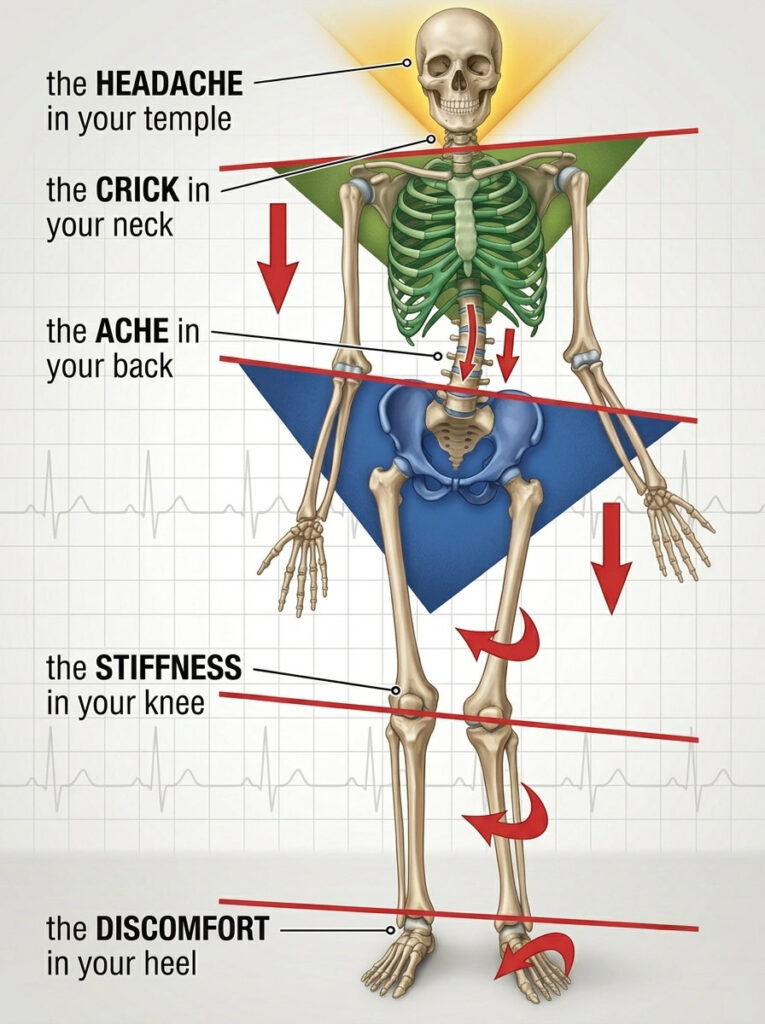
Alt Text: An anatomical diagram of the human skeleton illustrating how pelvic misalignment and kinetic chain compensation cause a chain reaction of pain, from heel discomfort and knee stiffness up to lower back aches, neck cricks, and headaches.

How I Work Differently As A Massage Therapist In York

I’ve been a professional massage therapist for over 10 years, but I don’t work like most therapists. After living with chronic pain for over 30 years following a car accident in 1989, and then qualifying in sports massage in 2005 and Advanced Personal Training in 2008, I developed a very different approach. I learned through my own painful experience that a standard “rub where it hurts” massage often gives only short-term relief. Real, lasting results come from understanding why the problem exists in the first place.

My Approach

I always start every session with a proper assessment. I don’t just ask you where it hurts. I look at how you stand, walk, sit, and move. I check posture, pelvic alignment, muscle imbalances, and compensation patterns. This allows me to identify the root causes rather than just treating the symptoms.

My treatments are never one-size-fits-all. Whether you’re a desk worker with neck and shoulder tension, a horse rider with lower back and hip issues, an athlete recovering from training, or someone dealing with post-surgery restrictions, I build the session around your specific lifestyle, activities, and goals.I combine several layers in every treatment:

  • Targeted sports and remedial massage to release deep tension and scar tissue
  • Soft tissue techniques to improve muscle length, blood flow, and nerve glide
  • My personal training knowledge to include corrective exercises and activation work so the improvements last longer
  • Practical advice on posture, daily habits, and movement patterns that I notice during the session

Because I’m a mobile therapist, I come to your home in York. This isn’t just about convenience. Treating you in your own environment gives me a much better understanding of your daily reality. This can include your sofa, office chair, bed, or car seat which all give clues about why certain areas keep tightening up. It also means you can fully relax during and after the session without having to drive, which significantly improves results.

I won’t give you the same generic massage every time. Some sessions are more clinical and remedial. Others are deeper sports-style work. Some clients need a careful balance of release work and mobility. I adapt every single session based on how your body presents on the day.

This combination of thorough assessment, personalised treatment, hands-on expertise, and corrective guidance is why many of my clients in York have been seeing me regularly for years. They don’t just feel better for a few days — they experience real, measurable improvements in mobility, pain levels, posture, and performance.

Frequently Asked Questions

What is the difference between a sports massage and a regular relaxation massage?

Sports and rehabilitation massage is significantly more targeted and clinical than a standard relaxation massage. While I still provide excellent relaxation, the main focus is on identifying and correcting specific muscle imbalances, tightness, scar tissue, and compensation patterns that cause pain or limit movement. I combine deep tissue and remedial techniques with movement assessment and corrective exercises (drawing from my Advanced Personal Training background). This approach aims for longer-lasting results and improved function rather than just short-term relief.

How far do you travel for mobile sports massage in York?

I cover the majority of York and surrounding villages. This includes York city centre, Acomb, Holgate, Fulford, Bishopthorpe, Copmanthorpe, Poppleton, Haxby, Strensall, Dunnington, and many more areas. If you’re unsure whether I cover your specific location, feel free to contact me and I’ll confirm availability straight away. Most areas within a reasonable distance from central York are covered without additional travel fees.

What should I wear for a sports massage session?

I recommend wearing comfortable clothing that allows easy access and movement, such as shorts and a t-shirt, or sports bra and leggings. During the treatment you will be properly draped with towels for privacy and warmth at all times. Only the area being treated is exposed. Your comfort and modesty are always my top priority throughout the session.

Will the sports massage be painful?

I always work within your comfort level and regularly check in with you. Some areas that are particularly tight or have built-up tension may feel intense at first (often described as nice pain), but it should never be sharp or unbearable pain. If any area feels too much, I adjust the pressure immediately. The goal is effective release and relief, not to push through pain.

How often should I have a sports massage?

It depends on your current condition, activity level, and goals. Many of my clients in York start with weekly sessions when they have significant pain, tightness, or are recovering from injury or intense training. This allows us to make consistent progress, properly release deep tension, and correct movement patterns. Once the main issue has improved and they are feeling much better, most clients then move to monthly maintenance sessions to stay on top of tension and prevent problems from building up again.

Others prefer to have a block of weekly or fortnightly sessions when they feel they need it (for example during heavy training periods, after competition, or when desk work has left them very tight), then pause and rebook another block when they feel the need again.

During your first session I will assess your body and give you honest, personalised advice on the best frequency for your specific situation. Many clients find that a combination of weekly sessions when needed, followed by regular monthly maintenance, works best for them.

Is mobile sports massage at home as effective as clinic treatment?

For most cases it is equally effective and for many clients it actually works better. The quality of the treatment depends primarily on the therapist’s skill and experience, not the location. Being treated in your own home often allows deeper relaxation because you’re in a familiar environment. There’s also no drive home afterwards, which prevents the muscles from tightening up again straight after treatment. Many clients report feeling noticeably better the following day because they could rest properly.

Do I need to provide any equipment or towels?

No, you don’t need to provide anything. I bring a professional portable massage table, fresh towels, oil, and all necessary equipment. Some clients prefer to use their own towels for personal preference and that is completely fine.

Can you help with specific conditions like back pain, neck pain, sciatica or sports injuries?

Yes. I have extensive experience treating common issues including chronic lower back pain, neck and shoulder tension, sciatica, hip and knee problems, sports injuries, and post-surgery recovery. As well as general muscle tightness from desk work or training. My approach combines hands-on soft tissue work with postural assessment and corrective exercises to address both the symptoms and the underlying causes.

Book A Mobile Massage

If you’re looking for a mobile massage in york and would like to book please contact me on 07713 250352 or email david@massageinyork.co.uk. Includes sports massage, deep tissue massage and Swedish massage. For more information on booking click here

Sports Massage For Neck And Shoulders

As a mobile sports and therapeutic massage therapist in York, I treat a very high number of clients suffering with tight, painful necks and shoulders, especially desk workers, drivers, and weight trainers.

After living with chronic neck and shoulder pain myself for over 30 years following a car accident, I learned that standard “rub where it hurts” massages usually only provide short-term relief. The pain almost always comes back because the real underlying causes aren’t properly addressed.

In this guide, I explain the most common issues I see in my York clients and how my personalised, non-generic approach — combining targeted remedial massage with movement pattern correction from my personal training background — delivers much longer-lasting results.

Whether your neck and shoulder pain comes from poor posture, long hours at a desk, stress, heavy training, or old injuries, I focus on finding and fixing the root mechanical problems rather than just treating the symptoms.

What Is A Neck And Shoulder Sports Massage

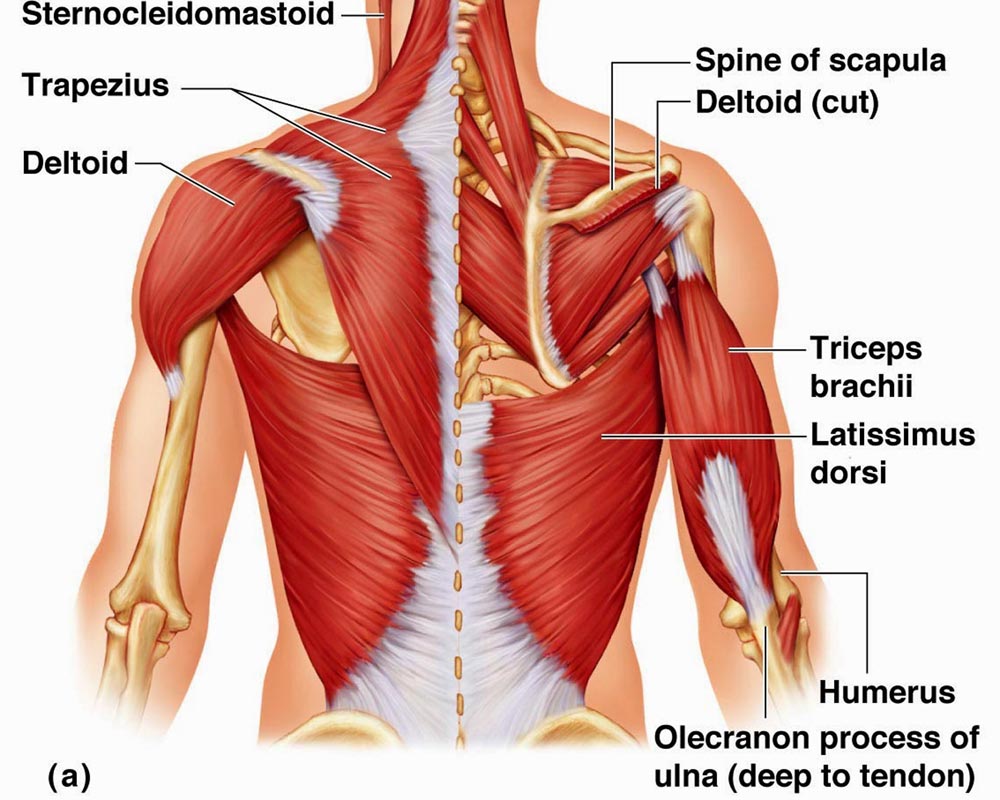
Anatomical diagram of neck and shoulder muscles, including the trapezius and levator scapulae, used in clinical sports massage in York.

Although everybody is different, a neck and shoulder massage usually involves treating the same muscles. These are the trapezius in your upper back, the deltoid muscles of your shoulders and the muscles in your neck. You might also require some massage work to the rhomboid muscles between your shoulders blades and your rotator cuff muscles. Or even the erector spinae which run along each side of your spine. Each massage is unique to you, however.

Why Have A Sports Massage

Whether we are sitting or standing, at home or at work, we are frequently looking down at a screen. This could be your laptop, your phone, your ipad or your TV. This puts an unnatural strain on the muscles of your neck and shoulders which can lead to stiffness and poor posture. Combining this with stress and heavy lifting or exercise can leave you in constant pain that goes on to cause other problems. These can include headaches, jaw pain or insomnia, or it could progress into lower back problems too.

Other common causes of pain or discomfort include poor posture, which often comes from sitting incorrectly or for long periods. Also stress or anxiety, which can cause prolonged shrugging of shoulders and jaw clenching. As well as this, untreated injuries, whether recent or long-term, can result in tightness and inflammation.

A massage can help these issues by loosening your muscles to relax tension and correct imbalances (1).

Fix Headaches With A Sports Massage For Neck And Shoulders

While there are many things that can trigger a headache, one of the most common is tension in the muscles of your upper back, shoulders and neck. In turn this causes tension across your scalp and forehead. The usual culprits for this are poor posture and stress. A neck and shoulder massage can relax tight muscles in your neck allowing the head to be held in the correct position. This has also been shown to help reduce the severity and intensity of tension headaches and migraines, or even prevent them altogether.

Sports Massage For Stress And Anxiety

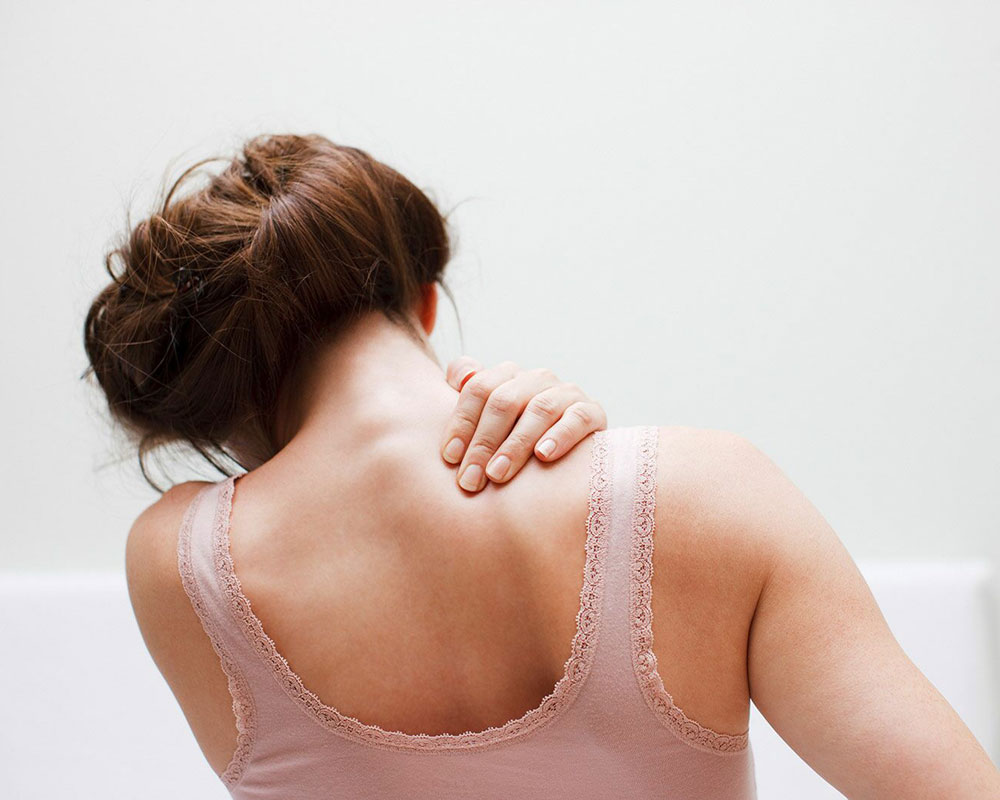
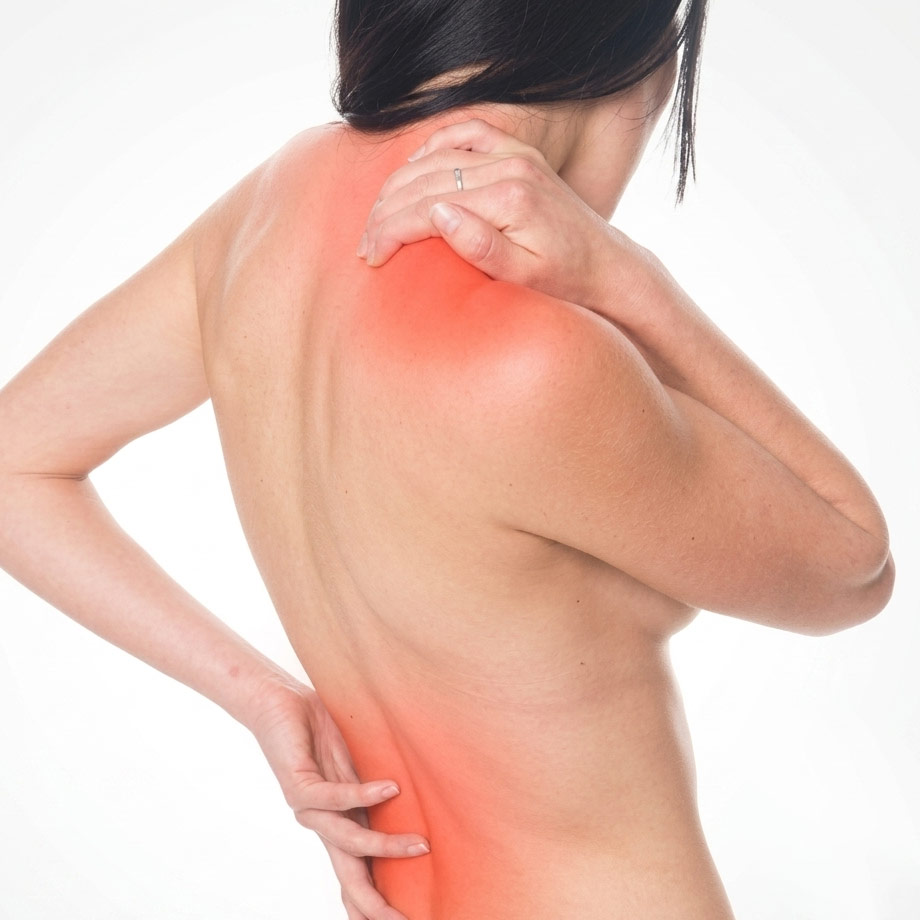
A person clutching a tight, painful neck and shoulder, illustrating the chronic tension often treated with remedial massage in York.

Different people hold stress and anxiety in different parts of their body. However, muscles in the jaw, shoulders and neck are among the most affected. This is because it is a natural response when under pressure, such as in a stressful or anxious situation, to shrug your shoulders. If this happens a lot it results in tight, shortened muscles which never properly relax and can cause chronic pain. It also increases the risk of injury. A neck and shoulder massage can help by softening the muscles and removing stored tension, which gives an overall feeling of calmness and relaxation.

Neck And Shoulder Massage For Jaw Pain

Another response to stress, besides shrugging your shoulders, is to clench your jaw or even grind your teeth. You might not even be aware that you are doing it. But whether it’s caused by teeth grinding from stress, tightness in the neck or an imbalance in the muscles of the jaw, jaw pain is most often felt in the joint just in front of the ears. A neck and shoulder massage can help by reducing stress in the body and relaxing tension in your muscles. This can reduce the damage done by clenching your teeth and can even prevent you from doing it at all.

A Sports Massage For Neck And Shoulders Can Improve Your Posture

A woman suffering from a tension headache caused by neck and shoulder dysfunction, a common condition treated with mobile remedial massage in York.

Poor posture in the upper body is usually the result of too much computer or phone use, prolonged sitting or standing, or pain resulting from injury. But whatever the original cause, an untreated poor posture can very often get worse and even cause issues elsewhere. If you are looking down at a phone or ipad a lot you are weakening the muscles at the back of your neck and shoulders. If you work with a desktop computer you are more likely to be shortening those muscles and causing tension. Either way, the result will be a change from the natural curvature of your neck and upper back. This can cause pain, such as in the neck, shoulders or jaw, headaches, or even issues with the lower back. A neck and shoulder massage can relax tight muscles and correct imbalances to improve posture, all while reducing stress and tension.

Can neck and shoulder massage help with chronic headaches?

Yes, and for many of my clients, it’s the main reason they book. Most tension headaches aren’t actually “in your head” they are referred pain from muscles in your neck and shoulders. Once they get tight they can cause issues further along the chain.
The main culprit is the trapezius muscle. This is the large, diamond-shaped muscle that runs from the base of your skull, out to your shoulders, and down your back. When you’re stressed or hunched over a desk, your shoulders naturally creep up towards your ears. This puts your upper traps under constant strain. Because this muscle attaches directly to your skull, that tension travels upwards, often resulting in a dull, aching pressure or a pulling sensation at the back of the head.
I also focus on the small suboccipital muscles, which are a group of four tiny muscles tucked right under the rim of your skull. When the trapezius is tight, these muscles have to work twice as hard to keep your head level. They can eventually pinch the nerves that run over the top of your head, causing that familiar tight band feeling around your forehead or pain behind the eyes.
By carefully releasing the trigger points in your traps and relaxing those tiny muscles at the base of your skull I can reduce the severity of headaches or even prevent them altogether.

How does your personal training background help with neck and shoulder problems?

Some people are surprised that I’m an Advanced Personal Trainer as well as a massage therapist, but the two work very well together. Massage is great for fixing the symptom (the tight muscle), but my PT background helps me find the cause (the bad movement habit). During our session, I’m looking at how you naturally hold yourself. Is one shoulder higher than the other? Are your shoulder blades “winging” out? I don’t just want to rub the muscle, I want to give you simple, practical tips on how to sit or move differently so that your body doesn’t tighten up again.

I’ve had this pain for years—is it too late to fix?

I get asked this a lot, usually by people who feel they’ve tried everything. But I can tell you from personal experience that it’s never too late. I had with chronic lower back pain for over 30 years following a car accident in 1989. The body is incredibly good at healing if you show it that it’s safe to do so and give it the assistance it needs. Whether you’ve had your own big event or if your issue has been decades in the making, we can work together to “un-learn” those old patterns of tension. Because I spent decades figuring out how to fix my own back, I use that same approach to find out why your neck and shoulders are stuck and get them moving properly again.

Why do you sometimes suggest massaging the chest when my pain is in my neck?

Because my intention is to not just treat your current pain but to prevent it retuning in the future I look at the body as a series of connected chains. Chronic neck and shoulder pain is frequently a result of tight chest muscles (pectorals) physically pulling the shoulders forward and down. Because most of us spend our lives reaching forward whether to type, drive, or eat, these muscles become short and overactive.
This creates a constant state of tension where your neck and upper back muscles are forced to strain just to keep your head upright against that forward pull. If I only massage your back, I am treating the part of the body that is being pulled while ignoring the part doing the pulling. By releasing the tension in your chest, we remove that forward pressure, allowing the muscles in your neck and shoulders to finally relax and hold their natural position.

Can neck and shoulder massage help with TMJ or jaw pain?

It definitely can. The jaw and the neck are much closer neighbours than most people realise. If you’re someone who clenches your teeth when you’re stressed or grinds them at night, you are keeping the muscles in your face and neck in a state of constant tension. That jaw tension travels straight down into the sides of your neck and across your shoulders. Often, a stiff neck that won’t go away is actually being held in place by a tight jaw. And this also works the other way, where tight neck and shoulder muscles travel up the chain to cause jaw pain.

How many sessions will I need?

Because everyone’s body is different, I don’t give a standard answer. I’m always honest about what I see during the first session.For a recent injury or a sudden kink in the neck, 2–3 sessions are often enough to get you back to normal. For chronic pain you’ve had for years, I usually recommend a starting block of 4–6 sessions. This gives us enough time to move beyond the surface tension and start changing those deep-seated habits and compensation patterns.Once you’re feeling significantly better, many clients choose to book regular maintenance sessions to keep the pain from returning.

Book A Mobile Massage

If you would like to book a sports massage for neck and shoulders in York please contact me on 07713 250352 or email david@massageinyork.co.uk. Includes sports massage, deep tissue massage and Swedish massage. For more information on booking click here

How Often Should You Get A Massage

How often should you get a massage is a common question I get asked as a massage therapist. But there isn’t a simple answer. It depends whether it’s a sports massage or something lighter and for what reason. Most people that have massages would probably like at least one every week, but cost is obviously an important factor. By timing the massages you get correctly however, you can maximise the benefits they give you.

How Often Should You Get A Massage For Relaxation

How Often Should You Get A Massage For Stress
| Stress and anxiety can cause muscle tension which can lead to pain and even injury

A massage to help you relax, ease stress and anxiety and increase your overall wellbeing is very soothing to your body. Tension is lost from muscles, circulation is increased and the nervous system is calmed. Because of this there is no limit on how often you should have one, other than your level of stress. If it normally isn’t an issue for you but you’ve had a busy week or two, try once or twice a week until you feel more relaxed. It might only take a couple of sessions to get you back to feeling like your old self.

If you regularly have a stressful job and a hectic home life however, it could take longer. Stress is cumulative and can build up for weeks, months or even years. Because of this it could take a few massages to ease out all of that stored tension. After which, a regular maintenance massage a couple of times a month will help keep your body relaxed and healthy.

How Often Should You Get A Massage For An Injury

If you have an injury or are recovering from surgery, sports massage and stretching is ideal rehabilitation. It helps prevent the formation of scar tissue which would otherwise increase recovery time and restrict your range of movement. Plus massage increases blood flow to the area which helps to provide sufficient oxygen and other nutrients to promote healing(1). If that wasn’t enough, it also reduces pain naturally, without the need for medication.

A massage for an injury or after surgery is best done as an intensive, short-term treatment. Once or ideally twice a week treatment for four to six weeks. If this is to be done alongside other rehabilitation or stretching exercises you should first check that this okay. As healing and recovery progresses, massage frequency can be reduced to once a week or even once every two weeks. Depending on the cause of the injury, other muscles might benefit from massage to prevent future occurrences. For example, your slipped disc could be the result of long hours spent sitting at a desk which lead to tight back muscles and poor posture. Future back problems could be prevented by loosening those muscles with regular massage and stretching.

How Often Should You Get A Massage For Chronic Pain

How Often Should You Get A Massage For Chronic Pain
| Chronic pain is unlikely to heal without treatment such as massage 

Acute pain is that is felt at the time of an injury, such as a muscle strain or a tear, and is usually a sharp sensation. Chronic pain tends to be more of a dull ache or throb that persists for more than a few weeks. It can be the result of an injury that is developing or has developed scar tissue as it heals. But it is more likely to do with overly contracted muscles that cause tension and shortening. This means they can never properly relax. An example of this could be neck and shoulder pain from stress or working at a desk. Or it could be lower back pain from prolonged sitting or standing. These can go on to cause other issues such as headaches, migraines, sciatica and more.

Deep tissue massage or sports massage can be very beneficial in releasing muscle tension that is the cause of chronic pain. Initially one or two sessions a week is usually recommended which can become less frequent as things improve. However, research has shown that two or three sessions a week for the first four weeks is most effective(2). Overall the amount of sessions will be about the same, but cost and available time is a factor.

How Often Should You Get A Massage For Sport Or Exercise

Sports massage before competition or exercise has been shown to increase performance, reduce injuries and improve recovery time. Research has also shown that it reduces inflammation and stimulates the growth of new mitochondria(3). This means you’re a lot less likely to suffer from delayed onset muscle soreness (DOMS).

For best results, two or even three sports massages a week are recommended if time and your bank balance permits. If not, try to get at least one a week to reduce the chance of any developing knots becoming strains or tears. In the off season or during lighter training periods, you could instead have a Swedish massage once a week. Your nervous system, lymphatic system and circulatory system will thank you for the extra attention.

Book A Mobile Massage

If you would like to book a mobile massage in York please contact me on 07713 250352 or email david@massageinyork.co.uk. Includes sports massage, deep tissue massage and Swedish massage. For more information on booking click here

Pain Relief Massage

Tight muscles, strains and stress can have many different causes and symptoms, but they can all cause pain. Whether this is a mild discomfort or severe enough to prevent you sleeping or doing everyday tasks. A pain relief massage can have an immediate effect even if the original issue is not muscle related.

How Does A Pain Relief Massage Work

Woman Needing Pain Relief Massage In York
| The neck and shoulders and lower back are areas that can often benefit from pain relief massage

Your muscles and tendons are in use whether you are sitting at a desk or having a workout. And although lifting weights is more likely to result in a strain or injury, all can cause problems. Sitting, especially for long periods, shortens your hamstrings, calves and the muscles at the top of your legs. It also affects your lower back, neck and shoulders, especially if you have a lot of stress. This can also result in issues with your posture that leave you prone to tight muscles and knots. Or it could come over time from the same repetitive movements leaving you with painful inflammation. If left untreated you could develop chronic aches, pains, strains and even trapped nerves.

A pain relief massage works by relaxing tight muscles and easing areas of tension, which all helps to reduce inflammation(1).  But very often the original issue can be elsewhere, which is why improper treatment can have only limited or temporary benefits. So let’s look at some common complaints and how they can be helped by a pain relief massage.

Pain Relief Massage For Lower Back And Sciatica

Although lower back pain and sciatica are not necessarily the same thing, they usually have similar causes. One of them is a slipped disc, which should always be initially dealt with by a visit to your doctor. By lifting something too heavy with improper form, you may have strained your back, leading to this pain, especially if you relied on bending at the waist instead of engaging your legs and core. Or it might have come on due to poor posture, weakened muscles or a muscle imbalance.

A pain relief massage for your lower back would focus on releasing tension in the muscles that run along either side of your spine. Also, your glutes are a common but often overlooked area of tension that often causes lower back pain and sciatica. Click for more on sciatica and lower back pain

Pain Relief Massage For Neck And Shoulders

Woman Needed Pain Relief Massage For Neck
| Tight Looking down at your phone for extended periods can overstretch tight neck muscles and cause pain

There are two common causes of neck and shoulder pain. The first is poor posture from looking down at a screen or phone, especially while seated. This puts your entire spine in an unnatural position, lengthening and weakening your trapezius and the muscles of your neck. The trapezius muscle extends across to your shoulders and down past your shoulder blades, where it can also cause pain. If you are sitting while watching TV or looking up at a computer monitor, this shortens the muscles instead. The result is usually pain, stiffness or knots, and it can even lead to headaches or migraines.

The other common cause of neck and shoulder pain is stress or anxiety. This can cause you to shrug your shoulders, clench your jaw or grind your teeth. Many people have this along with poor posture, which can lead to a lot of pain that causes headaches, migraines and poor sleep.

A pain relief massage for your neck and shoulders would do three things. The first is reducing the inflammation in the weakened muscles so that they can have proper strength and function. The second is to relax tight muscles to prevent pain and lengthen them so you can regain good posture. Third, a massage would help to release tension that has built up from stress and anxiety. Click for more on neck and shoulder massage

Pain Relief Massage For Buttocks

If you have pain in your buttocks, also known as your glutes, it can often lead to pain elsewhere. This is because the buttocks are actually 3 different muscles known as the gluteus maximus, gluteus medius and gluteus minimus. These three muscles work together to lift your torso after bending forward at the waist. Walking, especially uphill, and jogging can lead to tight muscles, inflammation and even knots in your buttocks. But if you spend a lot of time sitting down they become shortened and weak due to the position you are in. This means that they have to work harder just to do their job, so other muscles have to assist them. This means you might also have lower back pain, pain in your hips or pain in your hamstrings.

A pain relief massage for your buttocks (glutes) would initially work to release any tight areas, knots and inflammation. As well as helping to lengthen shortened muscles. Should there be tension in deeper muscles, I can also target the piriformis muscle located beneath your glutes. Click for more on glute massage

Pain Relief Massage For Calves

Woman Needing Pain Relief Massage For Calf
| Exercise can cause calf pain but so can long periods of sitting

Limited flexibility in your calf muscles, particularly the gastrocnemius and soleus, is a common cause of calf pain. These are at the back of your lower leg and can become tight and sore even from a sedentary lifestyle. Long periods sitting down puts your calves in a shortened position which can lead to pain in your feet. Ill-fitting or unsupportive footwear can also be a contributing factor. Exercise, running or walking uphill can make things worse and result in knots, inflammation or even strains. Issues that cause calf pain can also affect your walking action which can lead to developing pain in your shins. If left untreated this could go on to cause shin splints which can be a chronic and painful condition.

A pain relief massage for calves would initially focus on reducing inflammation and increasing flexibility. Plus it is likely that you have areas of greater tension or even knots that are causing pain, which could also be the source of any ankle or knee pain you might be having. This would also help to relieve any shin pain or pain in your feet. Click for more on calf massage

Summary Of Pain Relief Massage

With the right treatment, any muscle can benefit from a pain relief massage, not just those mentioned. And although it might have started with a slipped disc or even a broken bone, the tissue around it could have become tight and inflamed. Treatment by a massage therapist can reduce pain and help you sleep and enjoy the things you used to.

Book A Mobile Massage

If you would like to book a mobile massage in York please contact me on 07713 250352 or email david@massageinyork.co.uk. Includes sports massage, deep tissue massage and Swedish massage. For more information on booking click here