Last Updated – June 2026
As a mobile sports massage therapist in York, I help many people who are struggling with ongoing pain and muscle tension.
Whether it’s stubborn lower back pain, tight neck and shoulders, aching hips, knee discomfort, or general muscle tightness that just won’t go away, I see these issues every day. Many of my clients have tried stretching, painkillers, physios, chiropractors or the occasional massage, only to find the relief doesn’t last.
After many years of practical experience, and having overcome my own long-term chronic pain following a serious car accident, I’ve learned that effective pain relief massage is about much more than just treating where it hurts. The best results come from understanding why the pain is there in the first place, whether it’s from poor posture, repetitive strain, old injuries, or muscle imbalances.
In this article, I explain how my personalised approach to pain relief massage works and the common issues I treat in York. Plus why so many local clients choose me for regular treatment in the comfort of their own home.
Table Of Contents
How Does Massage Treat Pain
Your muscles and tendons are in use whether you are sitting at a desk or having a workout. And although lifting weights is more likely to result in a strain or injury, all can cause problems. Sitting, especially for long periods, shortens your hamstrings, calves and the muscles at the top of your legs. It also affects your lower back, neck and shoulders, especially if you have a lot of stress. This can also result in issues with your posture that leave you prone to tight muscles and knots, or it could come over time from the same repetitive movements leaving you with painful inflammation. If left untreated you could develop chronic aches, pains, strains and even trapped nerves.
A pain relief massage works by relaxing tight muscles, easing areas of tension, and helping to reduce inflammation. However, in my experience, the original issue is very often elsewhere in the body. This is why simply treating the painful area usually only gives limited or temporary benefits.
Instead, I focus on finding and treating the root causes, whether that’s muscle imbalances, compensation patterns, tight hips affecting the lower back, or poor posture from daily habits. This combined approach is what helps many of my clients get longer-lasting or even permanent results rather than temporary comfort.
So let’s look at some of the most common complaints I see and how I treat them.
Lower Back Pain And Sciatica
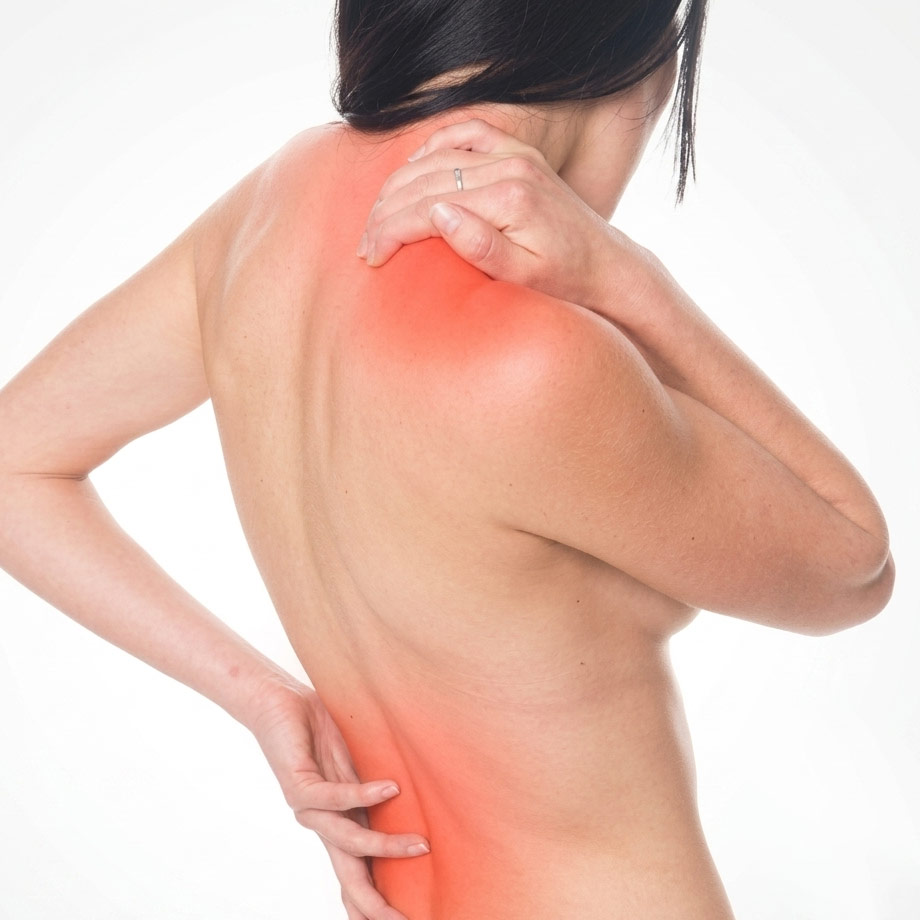
Although lower back pain and sciatica are not necessarily the same thing, they usually have similar causes. One of them is a slipped disc, which should always be initially dealt with by a visit to your doctor. By lifting something too heavy with improper form, you may have strained your back, leading to this pain, especially if you relied on bending at the waist instead of engaging your legs and core. Or it might have come on due to poor posture, weakened muscles or a muscle imbalance.
How I Treat It
When treating lower back pain, I don’t just focus on the lower back itself. I work on the muscles that run along either side of the spine (the erector spinae) to release deep tension and reduce inflammation in that area. However, in my experience, one of the most common and often overlooked contributors to lower back pain is tightness in the glutes. Many clients are surprised to learn that tight glutes (especially the gluteus medius and maximus) frequently pull on the pelvis and refer pain into the lower back. In many cases it can even run down into the sciatic nerve. By properly releasing the glutes along with the lower back muscles and addressing any related hip or pelvic imbalances, I’m able to provide much more effective and longer-lasting relief than just working on the back alone.
Tight Neck And Shoulders
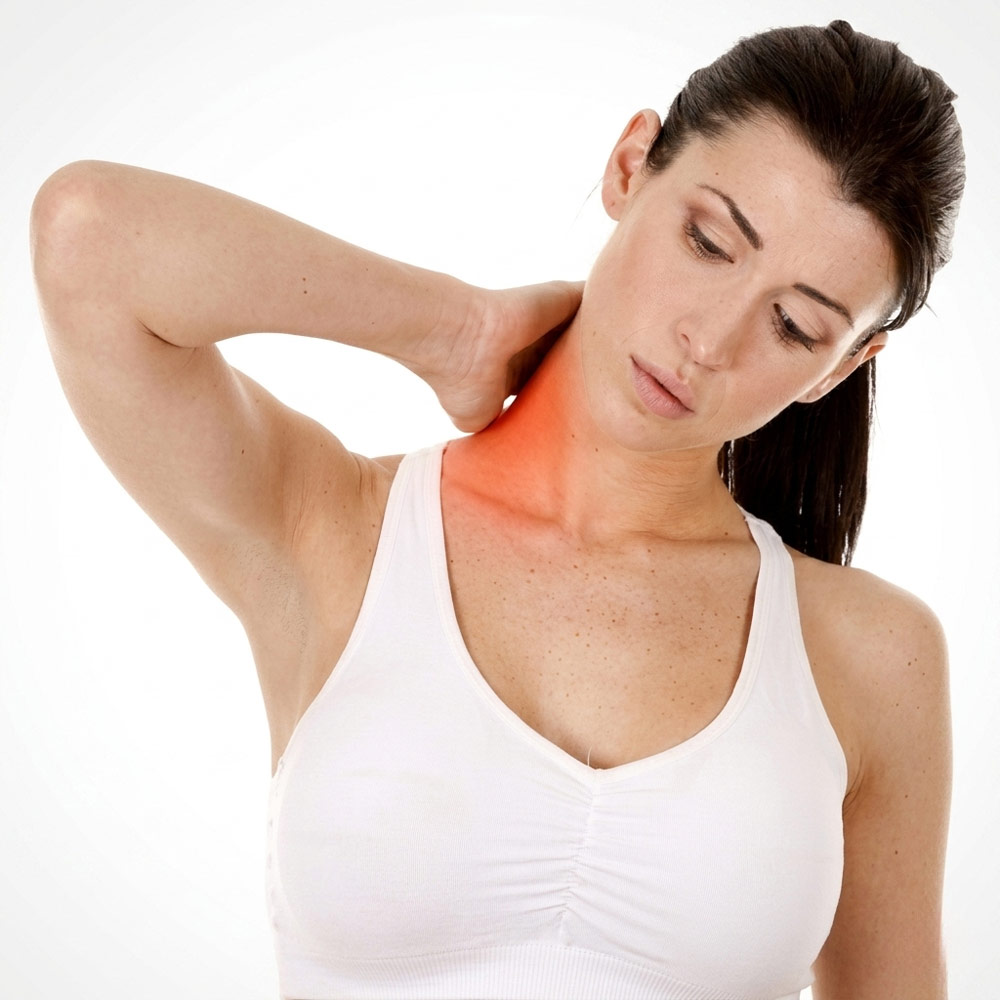
There are two common causes of neck and shoulder pain. The first is poor posture from looking down at a screen or phone, especially while seated, as this puts your entire spine in an unnatural position, lengthening and weakening your trapezius and the muscles of your neck. The trapezius muscle extends across to your shoulders and down past your shoulder blades, where it can also cause pain. If you are sitting while watching TV or looking up at a computer monitor, this shortens the muscles instead. The result is usually pain, stiffness or knots, and it can even lead to headaches or migraines.
The other common cause of neck and shoulder pain is stress or anxiety. This can cause you to shrug your shoulders, clench your jaw or grind your teeth. Many people have this along with poor posture, which can lead to a lot of pain that causes headaches, migraines and poor sleep.
How I treat It
When treating neck and shoulder pain, I focus on three key things.
First, I work on reducing inflammation in the overworked and weakened muscles so they can regain proper strength and function. Second, I release the chronically tight muscles (particularly the upper trapezius, levator scapulae, and suboccipitals) to ease pain and help restore better posture. Third, I address the deep tension that often builds up from stress and anxiety, which many people hold in their neck and shoulders without even realising it.
By combining these elements (reducing inflammation, releasing tightness, and easing stress-related tension) I’m able to help clients achieve noticeable relief and improved mobility, not just short-term comfort.
Glute And Hip Pain
If you have pain in your buttocks, also known as your glutes, it can often lead to pain elsewhere. This is because the buttocks are actually 3 different muscles known as the gluteus maximus, gluteus medius and gluteus minimus. These three muscles work together to lift your torso after bending forward at the waist. Walking, especially uphill, and jogging can lead to tight muscles, inflammation and even knots in your buttocks. But if you spend a lot of time sitting down they become shortened and weak due to the position you are in. This means that they have to work harder just to do their job, so other muscles have to assist them, which can result in lower back pain, pain in your hips or pain in your hamstrings.
How I treat It
When treating buttock (glute) pain and tightness, I start by releasing the superficial tight areas, knots, and any built-up inflammation in the gluteus maximus. This often brings quick relief, especially if the glutes have become shortened and overworked from sitting, running, or heavy lifting. I also focus on lengthening the tightened muscles to restore better mobility.
If there is deeper tension or referral pain (commonly felt in the lower back or down the leg), I carefully target the piriformis muscle and other deep hip rotators that are beneath the main glutes. These deeper muscles are frequently overlooked but are a very common hidden cause of glute pain and sciatica-like symptoms.
By working through both the superficial and deeper layers, I provide more complete and longer-lasting relief than just treating the surface muscles.
Pain Relief For Calves
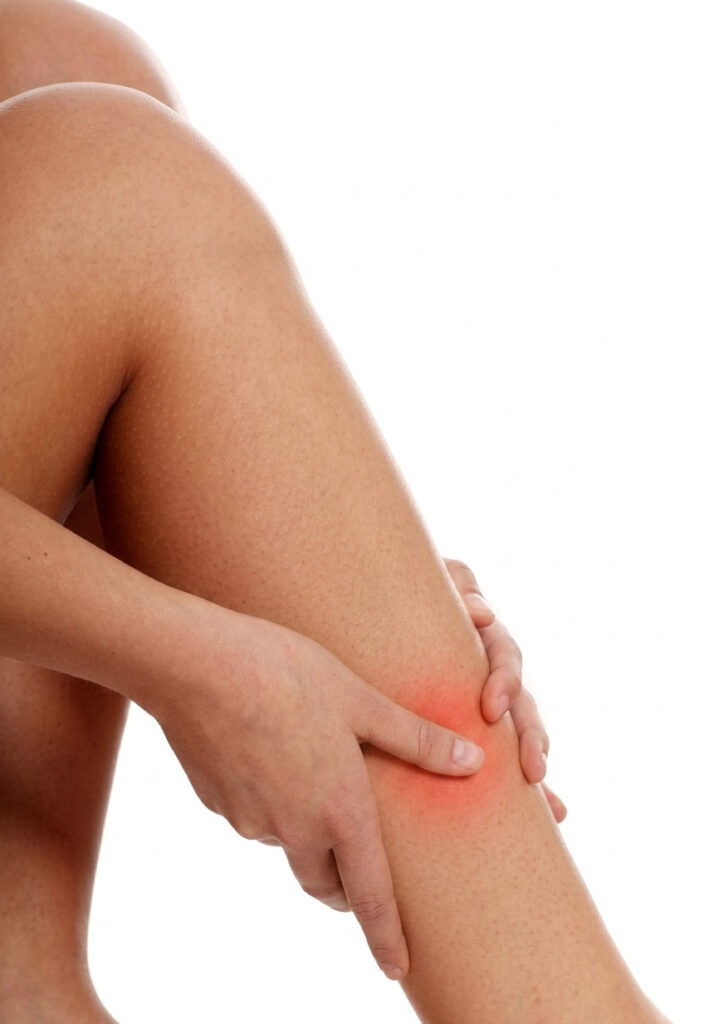
Limited flexibility in your calf muscles, particularly the gastrocnemius and soleus, is a common cause of calf pain. These are at the back of your lower leg and can become tight and sore even from a sedentary lifestyle. Long periods sitting down puts your calves in a shortened position which can lead to pain in your feet. Ill-fitting or unsupportive footwear can also be a contributing factor. Exercise, running or walking uphill can make things worse and result in knots, inflammation or even strains. Issues that cause calf pain can also affect your walking action which can lead to developing pain in your shins. If left untreated this could go on to cause shin splints which can be a chronic and painful condition.
How I treat It
When treating calf pain and tightness, I start by focusing on reducing inflammation and increasing flexibility in the calf muscles. In many cases, there are also specific areas of greater tension or knots (trigger points) within the calves that are causing pain. These tight spots often refer pain to the ankle, knee, shin, or even the feet. By carefully releasing these deeper areas of tension, I relieve not just the calf pain, but also the related discomfort in the ankle, shin, and knee that many runners experience.
This targeted approach helps restore better muscle function and flexibility, which is especially important for runners and people who spend a lot of time on their feet.
Frequently Asked Questions
I offer 60, 90, and 120-minute pain relief massage sessions. Most clients start with 60 minutes, but I recommend 90 minutes if you have multiple problem areas or long-standing tension.
For noticeable results, many clients begin with weekly sessions for the first 3–4 weeks. Once the main pain and tension have reduced, some move to maintenance sessions every 4 weeks. During your first session I will assess your body and give you honest, personalised advice on the best frequency for your specific situation.
A relaxation massage is mainly for stress relief and general wellbeing. My pain relief massage is more clinical and targeted. I focus on finding and treating the specific muscles causing your pain, releasing deep tension, and reducing inflammation. I also use my Advanced Personal Training background to include corrective exercises so the results last longer. This is why many clients get significantly better and longer-lasting relief.
No, as I always work within your comfort level. Some areas that are very tight or inflamed may feel intense at first (often described as nice pain), but it should never be sharp or unbearable. I check with you regularly throughout the session and will immediately adjust the pressure if needed. Most clients are surprised by how little my massages hurt.
I regularly help clients with chronic, long-term pain, sometimes that they’ve had for many years. Whether it started from an old injury, poor posture, repetitive strain, or a past accident. I treat it by focusing on releasing tightness and correcting the movement patterns that keep the pain going. Many clients who had given up hope of improvement notice real progress after a few sessions.
In my experience, it is often more effective for pain relief. You’re in your own familiar environment, which allows deeper relaxation. There’s no stressful drive home afterwards that can quickly re-tighten the muscles I just worked on. Many clients report waking up the next morning with noticeably less pain and stiffness because they could rest properly after treatment.
I treat a wide range of pain issues including lower back pain, neck and shoulder tension, sciatica, hip and glute pain, knee pain, calf and shin pain, headaches, and general muscle tightness. I also help with pain related to old injuries, poor posture, desk work, sports, and post-surgery recovery. During your first session I’ll assess your body and focus on the areas causing you the most problems.
No. Many of my clients come because they have a constant dull ache, stiffness, or tightness that affects their daily life, sleep, or ability to exercise. Early intervention often prevents small problems from becoming chronic, severe issues. If something just doesn’t feel right or keeps coming back, it’s worth getting it treated.
Many clients feel some relief immediately after the session. However, the full benefits often become more noticeable within the next day or two as inflammation reduces and muscles loosen. Some people feel a bit of soreness the following day (similar to DOMS after a workout), which usually settles quickly and is followed by improved mobility and reduced pain.
Summary
With the right treatment, almost any muscle in the body can benefit from a targeted pain relief massage — not just the areas I’ve mentioned in this article. Even if the original issue was a slipped disc, broken bone, surgery, or an old injury, the surrounding muscles and soft tissue often become tight, inflamed, and restricted over time. This secondary tension is frequently what keeps the pain going long after the initial problem.
I treat pain by focusing on releasing these tight, overworked muscles and addressing the compensation patterns that develop. This helps reduce pain, improve mobility, and allows many of my clients to sleep better and quickly return to the daily activities they enjoy.
Book A Pain Relief Massage At Home
If chronic lower back pain, persistent shoulder stiffness, or postural muscle tightness are limiting your daily activities, a targeted mobile treatment can help identify and relieve the underlying soft tissue restrictions rather than just masking the symptoms.
I provide a fully equipped mobile sports, deep tissue, and therapeutic massage service across York, bringing professional treatment directly to your home. Receiving targeted pain relief treatment in your own space eliminates the stress of post-massage driving, allowing your muscles to remain relaxed and boosting the overall recovery effect.
To book or discuss your symptoms contact me on 07713 250352 or email david@massageinyork.co.uk or read more information on booking.
