Last Updated – April 2026
As a mobile sports massage therapist in York, I frequently treat clients with chronic lower back pain that hasn’t responded well to standard treatments. My approach comes from a combination of my professional qualifications and my own 30+ years of living with back pain after a serious car accident. You can read more about my story and how I successfully fixed my lower back issues here.
Having qualified in massage in 2005 and as an Advanced Personal Trainer in 2008, I now utilise sports massage and a deep understanding of strength training and movement patterns.
I never use a standard lower back pain massage.
Whether your pain stems from a tight Quadratus Lumborum (QL), a weak Gluteus Medius causing compensation, old scar tissue, or postural issues from desk work, I focus entirely on finding the real mechanical drivers behind your injury rather than just treating the symptoms.
In this article, I’ll explain the most common causes I see in my clients and how my individualised approach can help you move from constant pain management toward better function and long-term relief.
Table Of Contents
- Lower Back Pain When Sitting
- Lower Back Pain When Standing
- Lower Back Pain In Bed
- Exercise And Lower Back Pain
- Poor Posture And Lower Back Pain
- The Muscles I Target In A Sports Massage For Lower Back Pain
- How My Sports Massages Help You
- Frequently Asked Questions
- Summary
- Book a Mobile Sports Massage for Lower Back Pain
Lower Back Pain When Sitting
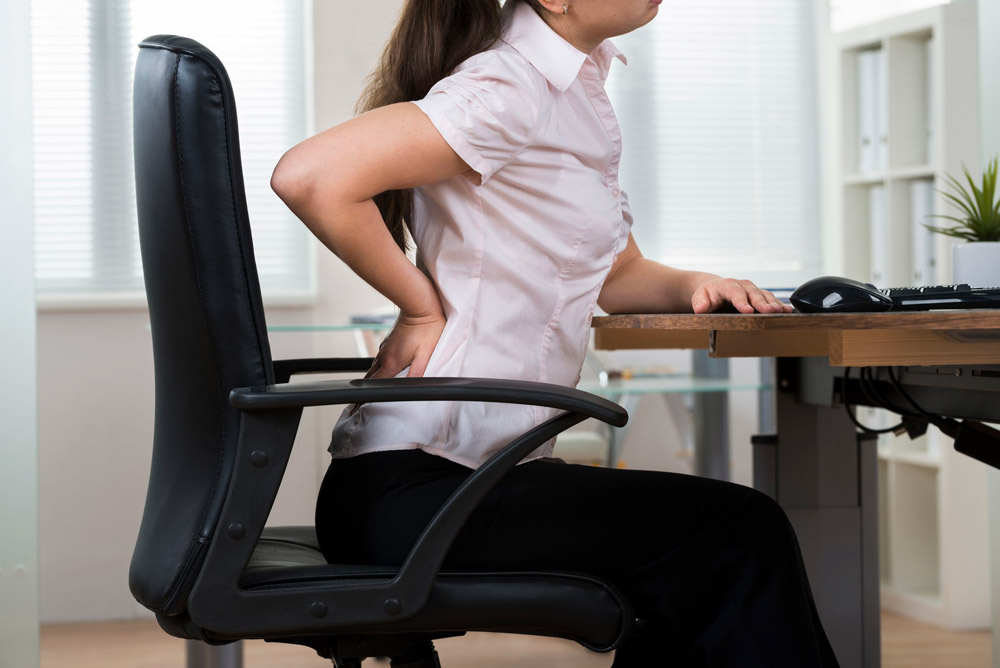
Many health experts have said that too much sitting is as bad for our health as smoking. Whether or not this is true, it’s definitely bad for your back. If your lower back pain is like an ache when you’re sitting, there’s a good chance that prolonged sitting is what caused it in the first place. This could be from driving, working at a desk, or slumped on the sofa working from home. Unless you have a very strong core that can keep your back in its correct position for several hours a day your muscles are going to be tight. And tight muscles eventually become sore and inflamed, even when you’re not sitting.
But Is It Just Your Lower Back?
If prolonged sitting is the reason you’re wanting a sports massage for your back pain, it will definitely help. But the area most in need might not be in your lower back, it could be the muscles of your hips and glutes. When you’re in a seated position, your hip muscles contract and become shortened. As are your gluteus medius, gluteus minimus and piriformis. This means they will tighten up, become inflamed and have reduced blood supply. And that can send pain into your lower back. The job of those muscles is to assist with hip abduction when you’re walking. When they’re tight however, your quadratus lumborum (QL) has to take over. This back muscle now has to do a job it wasn’t designed for, which further stresses something that is already a tight and weak.
Lower Back Pain When Standing
If your lower back issues are at their worst when you are standing, or straightening up after bending forward, the cause is likely to be related to your hips and glutes. As mentioned earlier, sitting for long periods can tighten up those muscles and affect your back. But so can prolonged standing. This doesn’t mean when you’re walking around or being generally active though. It means standing in pretty much the same place. Jobs such as a barrista, factory worker or chef are good examples.
Why Is This Bad For Your Muscles?
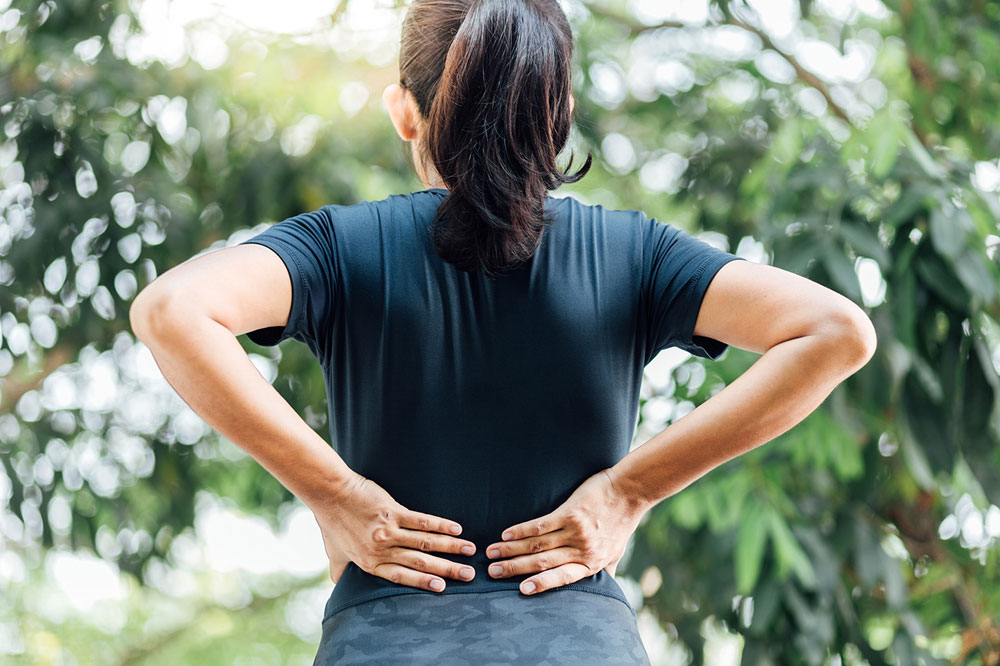
This position shortens your glutes and your lower back, leading to a lack of flexibility in these muscles. Specifically, your gluteus maximus and medius and your quadratus lumborum (QL). As well as your erector spinae muscles which run alongside your spine from your lower back up to your neck. And let’s not forget your hamstrings, already tight from sitting and driving, which can tighten further, adding to the discomfort.
Bending forward becomes a particular struggle when these shortened muscles tighten further, leaving your lower back feeling stiff and achy. When you do, all of these muscles have to stretch, which they no longer find easy. And because your glutes can’t do the job they’re meant for, your hamstrings and especially your lower back have to try to take over. This can turn a chronic back ache into a jolt of sudden pain. Even if it’s something as simple as putting on your socks in the morning.
Lower Back Pain In Bed
If you struggle through the day with back pain you can at least check your sitting and standing posture. You can also do some gentle stretches and mobilisation exercises to help prevent things getting worse while you have treatment. For some people, lying down takes all of the pressure off their back and allows them some relief. But for others, lying down, especially in bed, can make things even worse. And a good night’s sleep free from waking up every time you turn over a distant memory.

Getting Up Can Be Even Worse
You might also find sitting up to get out of bed in the morning just as difficult. And instead you have to wriggle on to one side so you can get your knees underneath you and then roll to the floor. This problem can be caused by issues which have been mentioned before. A tight quadratus lumborum (QL), erector spinae and tight glutes.
If you tend to sleep on your front or back this puts these muscles in a very short position. As a result they will stiffen up during the night. Sitting up to get out of bed then requires these muscles to stretch, which is what causes the pain. Side sleeping stretches one QL while shortening the other, creating a muscle imbalance that can contribute to pain. Especially if you have a soft mattress(3). Then when you try to turn over you are asking these muscles to work and for the shortened muscle to stretch. Not only can this action be very painful it can also cause injury in the form of a muscle strain.
Exercise And Lower Back Pain
There are many causes of lower back pain while exercising, whether this is group classes, lifting weights or jogging. And while the muscles involved are usually the same, the reason why you are having problems with them can differ.
Lower Back Pain From Deadlifts
If deadlifts are your issue, such as a sharp pain or stiffness during the exercise, there are two main reasons. The first is glute muscles that are too tight or weak to allow you to bend at the hip. The second is a tight QL and erector spinae muscles trying to do a job they’re not designed for. Both of these things will also prevent you from maintaining a correct S-shaped spine and instead it will be more C-shaped. If you are doing squats, these tight muscles will instead cause an excessive lumbar curve. And this will put a lot of pressure on your lower back.
Lower Back Pain When Jogging
If jogging around York is when you feel your lower back pain, a common reason is tight glute muscles. Specifically, your gluteus medius. The reason for this is when you run (or walk) it should be doing the job of hip abduction. But if it’s tight and weak your QL has to do the work instead, which puts excessive strain on your lower back. Running on hard surfaces like pavement or roads can further exacerbate the situation.
Lower Back Pain From Exercise Classes
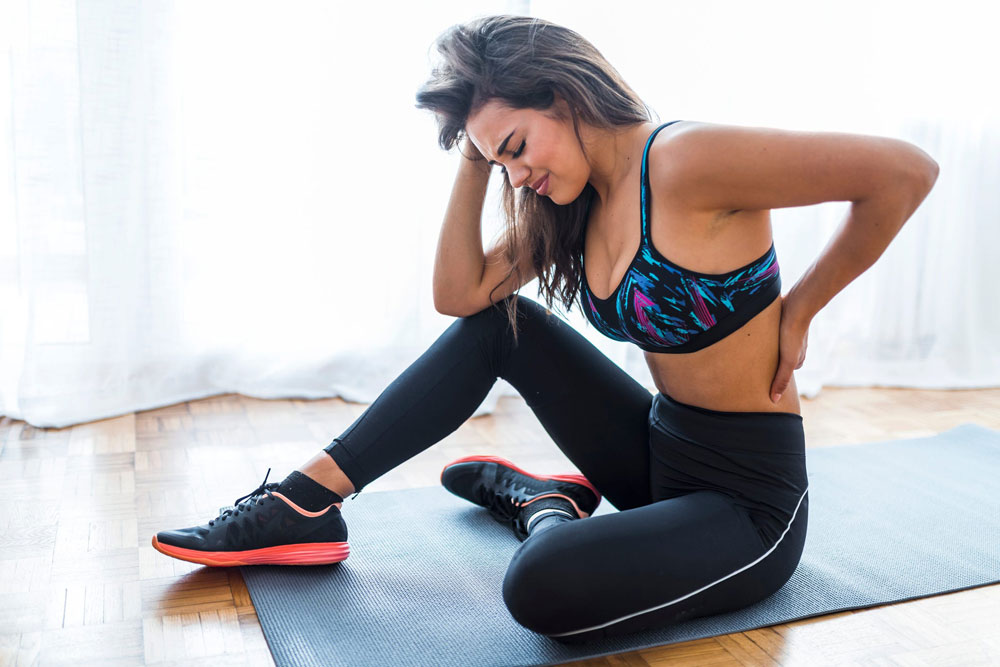
The two previous examples can cause your lower back pain even if you’re concentrating on your technique. But doing them at speed in a group exercise class such as Body Pump can be just as bad if not worse. Countless reps involving bending, lifting and twisting with no time to think about that twinge in your back can all add up to a major problem. And a tight muscle anywhere can lead to compensation by others that shouldn’t really be involved in that movement.
Poor Posture And Lower Back Pain
Having a good posture means your body is in its optimum position for what it’s doing. Whether this is sitting, standing, picking something up, running, doing a specific exercise at the gym, DIY, gardening, using your phone or laptop or even sleeping. If your posture is good, you are less likely to get injured. This is because you are using your body as it was meant to be used. If it’s bad you could be using the muscles on one side more than the other. Or making them work in a way they’re not designed to.
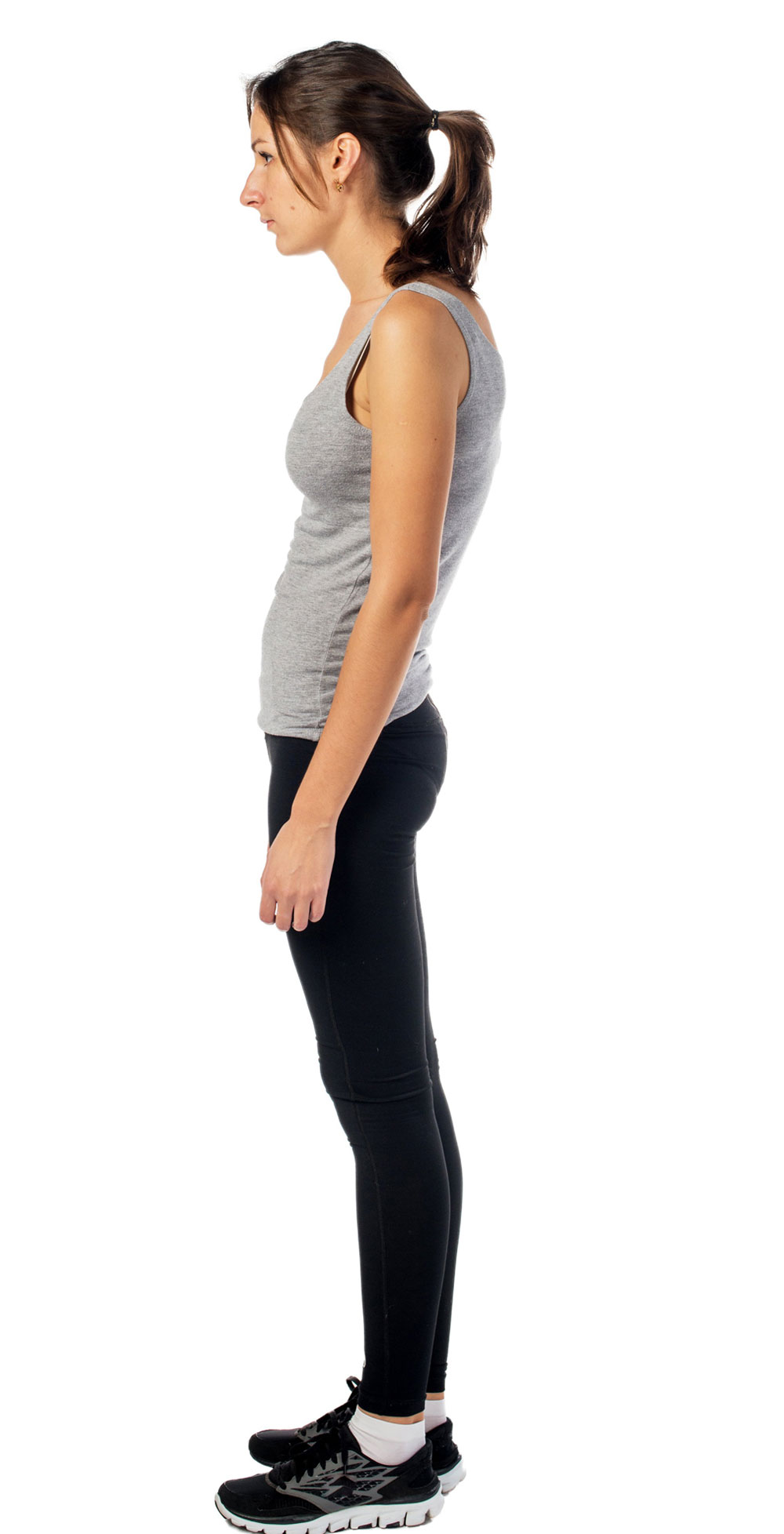
It could be that many years ago you had an accident or injury that caused a small change to your posture you were unaware of. And over time this has developed into something far more significant in that area. Or it could have progressed to the point where the painful muscle is not the one you originally injured(4).
What Does This Have To Do With Lower Back Pain?
Well, if you have a poor posture it affects the way you sit, stand, move and lift. Instead of maintaining a healthy S-shaped curve, chronic poor posture can gradually flatten your lower back, setting the stage for potential discomfort. Especially if you slump in your chair.
Another common cause is picking things up by bending at your waist rather than your hips, which can lead to a strain or even a slipped disc. In turn this can lead to excessive lumbar curve and be the cause of problems in your upper back. The reason for this is your glute muscles have become tight and therefore weak. This means that your hamstrings and lower back have had to take over the role to compensate. Your erector spinae and QL also then become tighter and therefore shorter, which is what causes you to have a poor posture. And your poor posture is what can cause lower back pain.
The Muscles I Target In A Sports Massage For Lower Back Pain
This article has highlighted the quadratus lumborum (QL), the erector spinae and the gluteus medius muscles as major contributors to lower back pain. But where exactly are they and how will my sports massage help your lower back pain?
The Quadratus Lumborum (QL) And Erector Spinae
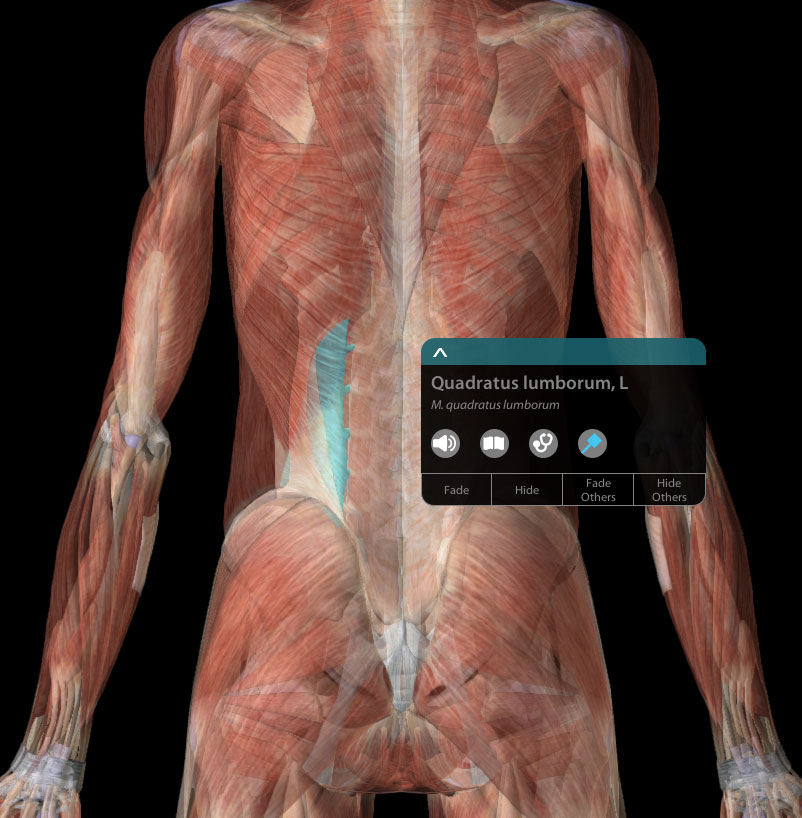
The QL is a deep muscle in your lower back. It runs from the iliac crest of your pelvis and connects to your lumbar vertebrae and lowest rib. If just one side contracts you will bend to that side at the waist. If you are already bending forward and both sides contract they will straighten you up to an upright position.
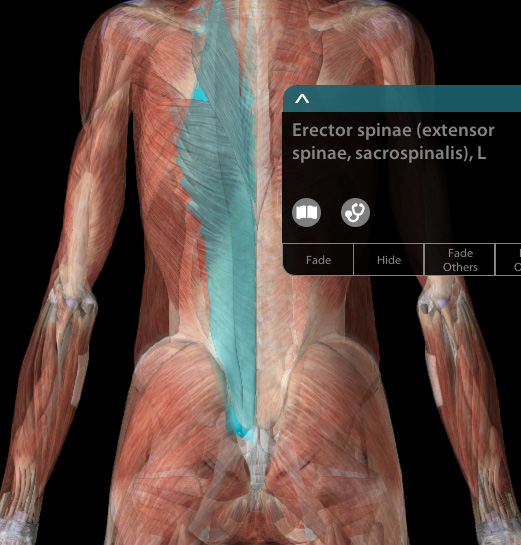
The erector spinae is a group of 3 muscles alongside your spine. They run from the iliac crest of your pelvis all the way up to your head. Like the QL, if one side contracts you will bend to that side, if both sides contract you will straighten. The difference is that the erector spinae affect the length of the back, therefore keeping it straight during a deadlift type movement.
Tightness in the erector spinae or QL will contribute to an excessive lumbar curve. And it is tightness, overuse or incorrect use of these muscles that is most often responsible for lower back pain.
The Gluteus Medius
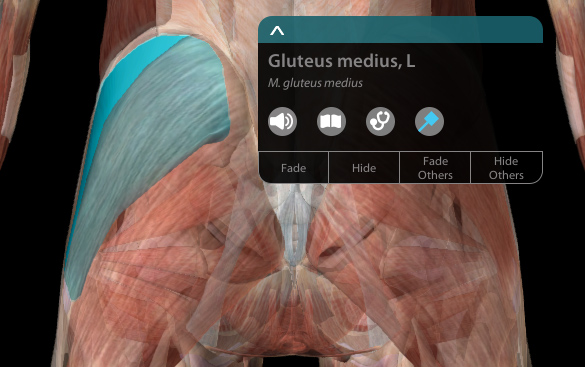
Although you are less likely to feel pain in your gluteus medius, issues here are often the initial cause of your lower back pain. It is hidden deep under your gluteus maximus (buttock) and connect your femur (thigh) to your pelvis. When contracted it abducts your hip, meaning it moves one leg away from the other. It also stabilises your pelvis when you walk or run. Problems arise when you do something that involves bending at the waist, especially with a heavy weight or when twisted. It is tightness or weakness here that contributes to incorrect use of the QL.
How My Sports Massages Help You
When treating lower back pain, I don’t just focus on the lower back itself. I start by working on the QL (quadratus lumborum) and erector spinae muscles that run along either side of your spine. This helps reduce discomfort, break down any built-up scar tissue, improve blood flow to the area, and restore better flexibility so your pelvis can move more freely.
However, in my experience, lower back pain is very often just a symptom of a deeper issue. Usually tightness or weakness in the gluteus medius and other glute muscles. When the glutes aren’t doing their job properly, the lower back has to overwork to compensate. That’s why simply treating the back alone often leads to the pain returning.
Because of this I also give proper attention to the glutes (especially the gluteus medius) during the session. By releasing tension there and helping restore proper glute function, I’m able to provide much more effective and longer-lasting relief than a standard lower back sports massage.
Frequently Asked Questions
I don’t do standard back massages. I assess movement patterns and compensation (weak glute medius making the lower back overwork, or tight hips from sitting/driving) and treat the real causes of your pain, not just where it hurts. After curing my own 30+ years of chronic lower back issues, I learned that the pain is usually the symptom, not the cause. I combine clinical massage to release the tight areas with knowledge from my personal training background to address why those muscles became tight in the first place. This is why many clients get longer-lasting results.
It really depends on how long the issue has been there and what the underlying causes are. For recent or mild cases, many clients notice a meaningful difference after 2–3 sessions. For chronic or recurring pain that has built up over years (which is very common), I usually recommend an initial course of 4–6 sessions spaced 1 week apart. The early sessions focus on releasing tight muscles and improving mobility, while later ones strengthen weak areas and lock in better movement patterns so the pain doesn’t keep returning.
Yes, this is one of the most common patterns I see. Prolonged sitting shortens hip flexors and glutes while weakening the deep stabilisers. I target the QL, erector spinae, glutes, and hip flexors specifically, then show you simple resets you can do during the day (e.g., standing breaks, glute activation, hip flexor stretches). Many office workers and drivers notice they can sit or drive longer without the usual aching at the end of the day after a few sessions.
In my experience, it often works better for lower back pain. You’re in your own space, so you’re more relaxed. There is no drive home afterwards that can tighten everything up again. I can also show you quick follow-up techniques using things you already have at home (cushions, walls, chairs). Plus a mobile massage in your home is a lot more personal and one-to-one than the conveyor belt feeling you get from many clinics. The knowledge and experience of the therapist giving the massage is far more important than the location.
I always work within your comfort zone and encourage your feedback. Some areas (especially deep glute work, QL, or scar tissue) can feel intense at first because those muscles have been locked up for a long time. Most clients describe it as “good pain” or therapeutic pressure that eases as the tissue releases. I never force anything and if it’s too much, we adjust immediately. The goal is relief and improved muscle function, not to see how high your pain threshold is.
It can help a lot with the muscular side of sciatica like tight piriformis, glute medius, or QL muscles often compress or irritate the nerve. I focus on releasing those areas and improving pelvic alignment. However, if there’s a significant disc bulge or nerve root compression, I always advise working alongside your GP or specialist. Massage is not a replacement for medical diagnosis.
For most people, light movement and walking the same day is fine and even helpful. For heavy lifting or intense training, I recommend listening to your body. Many clients feel noticeably better mobility within 24–48 hours as inflammation drops and range improves. If the session was releasing a chronic issue I suggest taking it easy at first to let the body adapt. A muscle that might not have been active for months or even years doesn’t suddenly want to be part of your heavy deadlift or squat routine.
The biggest difference comes from the simple things you do consistently. I can give you targeted stretches and mobility drills that are specific to your problem areas such as, glute medius activation work, QL stretches, hip flexor release, or gentle thoracic rotations. It depends on what we find during the session. The key is quality over quantity: 10–15 minutes a day done properly is far more effective than 30 minutes done occasionally. I’ll show you exactly what to do and how to do it so you’re not guessing.
Avoid eating a heavy meal or drinking alcohol before we meet. I also recommend avoiding painkillers immediately before the session if possible as these can mask your natural pain response. This makes it harder for us to gauge the correct pressure and ensure the treatment is both safe and effective. Following the session, I will provide you with a set of specific instructions tailored entirely to your physical presentation and the issues we addressed. I don’t give generic advice. Depending on whether we focused on acute nerve irritation or chronic postural resetting, I will direct you on exactly how to manage your activity levels, hydration, and movement for the first 24 hours to ensure the best results.
Summary
Lower back pain is rarely just a problem in the lower back. In many cases it is driven by tight or underactive glutes, restricted hips, and overworked muscles such as the quadratus lumborum and erector spinae. Sitting, standing, training and poor movement patterns all contribute to this cycle.
My approach focuses on identifying the real mechanical drivers and treating both the lower back and the related areas that keep reloading it. By releasing the restricted tissue and restoring better function through the hips and glutes, most clients gain more complete and longer-lasting relief than from treating the sore spots alone.
If you are dealing with ongoing lower back pain and want a targeted mobile sports massage in York, book a massage today.
Book a Mobile Sports Massage for Lower Back Pain
If ongoing lower back pain is limiting how you sit, stand, train or sleep, treating only the sore area is rarely enough. The real causes are often found in the glutes, hips and related muscles that keep reloading the lower back.
I provide targeted mobile sports massage across York, bringing everything needed to your home so you can recover properly afterwards without an immediate journey through traffic.
To book or discuss your symptoms contact me on 07713 250352 or email david@massageinyork.co.uk or read more information on booking.