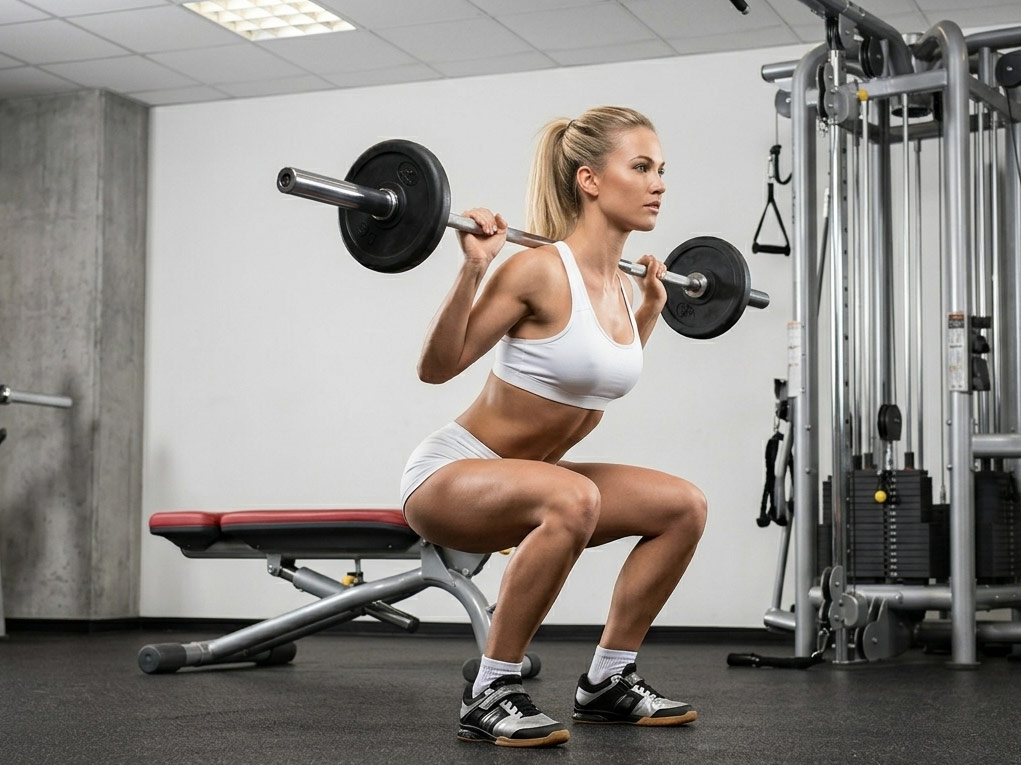
Last Updated – June 2026
As a mobile sports massage therapist in York, I work with many lifters who are frustrated with their squat technique and ongoing pain. Whether it’s knees caving in, excessive forward lean, butt wink, heels rising off the floor, lower back pain, or just a general feeling that the movement doesn’t feel right, these issues are incredibly common. Many lifters have tried the usual suggestions including more glute activation drills, different cues, mobility work, and even changing their footwear. But the problems persist.
After years of treating body builders, strength athletes and casual gym-goers, I’ve seen the same patterns repeatedly. Most squat problems aren’t simply caused by bad form or weak glutes, they are usually the result of tight, restricted muscles and compensation patterns that have developed over time. Especially in the ankles, hips, thoracic and lumbar spine, and calves. These physical restrictions make good technique extremely difficult, no matter how hard you try to correct yourself.
Simply telling someone to “sit back more” or “drive through the heels” doesn’t fix the root issue. The body needs the actual physical restrictions released before proper movement patterns can then be trained effectively.
In this article, I explain the most common squat technique problems I see in my York clients and how my personalised approach helps. I combine targeted sports and therapeutic massage with movement assessment and corrective work to improve squat form, reduce pain, and allow more effective lifting.
Why Squat Technique Matters
Squats are an excellent exercise and work the muscles of all the lower body. This includes glutes, hamstrings and quads, plus they affect the body as a whole. But if your squat technique isn’t as good as it should be you won’t get the results you want. You might also find yourself waking up the next morning with excessive soreness or stiffness in your legs or back, and this can make the next couple of days hard work. If this isn’t corrected, chronic pain could develop that remains even after you stop doing squats, plus it could also lead to something more serious such as torn muscles or a slipped disc.
Causes Of Incorrect Squat Technique
If you’ve had someone show you how to do a good squat there are only two reasons why you have issues with your technique. One is trying to lift more weight than you are capable of, the other is lack of flexibility. This lack of flexibility usually comes from spending too much time in a standing or seated position, especially with poor posture. Add to this chronic stress and not enough stretching and over time this leads to a tightening and shortening of muscles. Areas associated with squats such as quads, hip flexors, hamstrings and lower back are particularly affected.
There are some common issues with a poor squat technique that can be linked to specific muscle problems.
Squatting With Excessive Lower Back Arch
One of the most common squat technique issues I see in my clients is excessive arching of the lower back (lordosis). The spine should have a natural, gentle S-curve, but when the pelvis tilts too far forward, the lower back arches excessively. This puts a lot of stress on the lower back muscles and joints and often leads to pain or discomfort during or after squats.
The main cause is usually tight hip flexors pulling the front of the pelvis down, combined with weak or underactive glutes and core muscles that should be stabilising the position.
How I Treat It
When a client comes to me with this problem, I don’t just massage the lower back. I start by releasing the tight hip flexors and iliopsoas, which are often the primary drivers of the anterior pelvic tilt. I also work on the quadratus lumborum (QL) and erector spinae in the lower back to reduce the over-arching and ease muscle tension.
Because the glutes are usually underactive in this pattern, I give particular attention to releasing and then activating the gluteus maximus and medius. After the massage work, I show the client simple but effective glute activation drills and core stability exercises they can do at home or in the gym. These help retrain the body so the pelvis stays in a better position under load.
This combination of targeted release work on the hip flexors and lower back, plus strengthening the glutes and core, is what allows my clients to achieve a much more neutral and powerful squat position with far less lower back stress.
Not Squatting Deep Enough
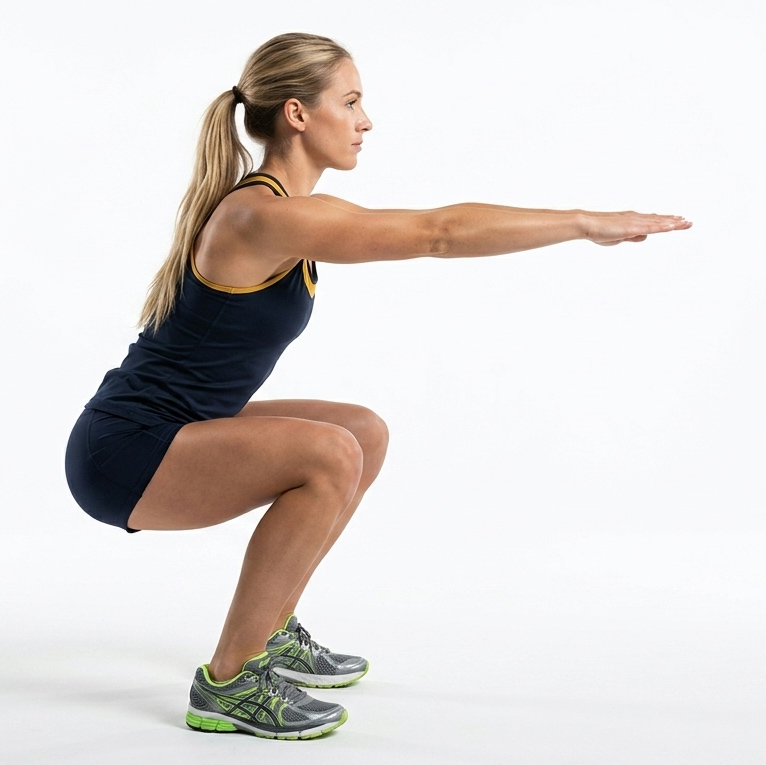
A good squat technique should allow you to get your thighs at least parallel to the floor (90 degrees or lower at the knee), with your knees tracking over your toes. If you can’t reach proper depth even with just bodyweight, the most common causes I see are tight hip flexors and hamstrings, along with restricted ankle mobility.
This tightness often builds up from spending too much time sitting (at a desk or in the car), standing for long periods, or from activities like jogging that don’t fully stretch these muscles. Over time these restrictions make it physically difficult to get into a proper squat position, no matter how much you try to cue yourself.
How I Treat It
When a client comes to me struggling with squat depth, I don’t just give general mobility drills. I start by thoroughly releasing the tight hip flexors and quads, which are often the main things pulling the pelvis forward and limiting how low you can go. I also work deeply into the hamstrings and calves to improve ankle dorsiflexion.
After the massage I show you specific, practical mobility drills and activation exercises for the glutes and core that you can do as part of your warm-up. These help your body hold a better position once the restrictions are released.
The “Good Morning” Squat
If your squat seems okay on the way down but on the way up your hips shoot backwards and upwards first, leaving your back rounded and your legs straightening before your torso comes upright, then you’re doing what’s commonly called a “Good Morning” squat. This pattern puts a lot of stress on your lower back, hips, and knees.
In most cases, this happens because the glutes (especially gluteus maximus) are either weak, tight, or not firing properly. The hamstrings are often tight as well. When the glutes don’t do their job of driving the hips forward and upwards powerfully, the lower back ends up taking over the lift, which is exactly why this technique feels awkward and can lead to pain or injury over time.
How I Treat It
When a client comes to me with this squat pattern, I focus heavily on the glutes and hamstrings. I use deep tissue and therapeutic massage techniques to release tightness in the gluteus maximus, gluteus medius, and hamstrings. I also work on the hip flexors and lower back because they are usually overworked and compensating for the underactive glutes.
After the massage I show clients specific glute activation exercises (such as glute bridges, hip thrusts, and banded walks) that they can do both as part of their warm-up and on non-squatting days. These exercises help wake the glutes up so they start contributing properly during the squat. Many clients I work with quickly notice a big improvement in their squat pattern. Their hips stay back longer on the way up, their back stays in a much stronger position, and they feel far more powerful coming out of the bottom of the squat.
Knee Pain While Squatting
Knee pain while squatting is extremely common and where the pain is located usually gives a good clue about the cause. Pain at the front of the knee is often linked to tight quads and poor patellar tracking, pain on the outside is typically related to a tight IT band, and pain on the inside or back of the knee is frequently caused by tight hamstrings or calves. But the problem is rarely just in the knee itself. In most cases the knees are suffering because of compensation patterns higher up (weak glutes or tight hips) or lower down (restricted ankles). When lifters try to push through the pain and compensate with poor form, it often creates additional issues elsewhere in the chain.
How I Treat It
When a client comes to me with knee pain during squats, I always assess the full kinetic chain rather than just treating the painful knee. I thoroughly release the tight quadriceps and IT band if the pain is at the front or outside, while if the pain is on the inside or back, I focus more on the hamstrings and calves. I also pay close attention to the gluteus medius and gluteus maximus, which are very often underactive or tight in people with knee pain. Weak glutes cause the knees to cave inwards (valgus collapse), putting extra stress on the knee joint.
After the massage, I show clients specific glute activation exercises (such as side-lying clams, banded glute bridges, and monster walks) that they can do both as part of their warm-up and on non-training days.
Rising Heels While Squatting
If your heels lift off the floor as you go deeper into the squat, you almost certainly have tight calves and restricted ankle mobility (limited dorsiflexion). This forces your body to compensate by leaning forward, which often leads to the “Good Morning” squat pattern, extra stress on your lower back, and poor glute activation.
Many lifters try to fix this quickly by putting small plates or wedges under their heels. While this can help in the short term, it doesn’t solve the actual problem — the tight calves and ankles. Over time, this compensation can create other issues up the chain.
The most common causes I see are lots of sitting or standing during the day, plus activities like jogging or running that tighten the calves further.
How I Treat It
When a client comes to me with rising heels, I focus heavily on the calves and ankles. I use deep tissue and therapeutic massage techniques to release the gastrocnemius, soleus, and the tissues around the Achilles. I also work on the hamstrings and hip flexors because they often contribute to the forward lean and limited ankle range.
After the massage I show clients practical ankle mobility drills and calf stretching techniques they can do daily or as part of their warm-up. These are simple enough to do at home or in the gym and make a noticeable difference when done consistently. Most lifters I treat for this issue find that their squat depth improves, their back position stays stronger, and they get much better glute activation because they can finally squat with proper mechanics.
How I Help Lifters Fix Squat Technique
When a lifter books a session with me because their squat feels wrong or they’re getting pain, I don’t just give them a general massage. I take time to understand exactly what’s going wrong with their movement.
Most squat problems I see aren’t simply because the person has “bad form” or “weak glutes.” They are usually caused by specific tight muscles and weak areas that force the body to compensate. Common issues include knees caving in, leaning too far forward, heels coming up, butt wink, and lower back pain.
Analysing Your Squat
When I arrive at your home, I start by watching you squat. I look at how your ankles move, how tight your quads and hip flexors are, whether your glutes are firing properly, how mobile your upper back is, and how stable your core stays. I also ask about your training, how often you squat, and what you feel when things go wrong.
This assessment is important because it lets me see the real reasons behind the form issues instead of just guessing.
The Treatment
I then use targeted sports and remedial massage to release the main problem muscles:
- Unlocking calves and ankles: This is the most common reason for heels rising and losing your balance.
- Loosening quads and hip flexors: These pull you too far forward, limit your depth, and cause that frustrating “butt wink” where your lower back rounds at the bottom.
- Targeting glutes and deep hip muscles: When these are tight, they switch off your main lifting muscles and cause your knees to cave inwards.
- Relieving the lower back and QL: These muscles get completely overworked and sore when your hips aren’t doing their job properly.
After loosening the tight areas, I use my Advanced Personal Training background to show you specific, simple exercises that wake up the weak muscles. Especially the glutes and core. These aren’t complicated gym exercises. They are practical drills you can do at home or during your warm-up to help your body hold better positions when squatting.
Why My Approach is Different
A lot of therapists just massage the sore spots and send you on your way. I combine deep tissue work with movement correction. Releasing the tight muscles gets you immediate relief, while the activation exercises help the improvements stick so the same problems don’t keep coming back session after session.
Because I come to your home, you get another big advantage: you can test your squat immediately after treatment while your muscles are still loose. You don’t lose the benefits by having to sit in a car and navigate York’s traffic straight after a session, which just causes everything to tighten up again.
Real Results
Most clients I work with report they can squat deeper with better control, their knees track better, their lower back feels less stressed, and the movement finally starts to feel smoother and stronger. Many say they can add weight more comfortably and their old technique problems don’t return.
This combination of thorough assessment, targeted hands-on work, and practical corrective exercises is why lifters trust me to get them back on track.
Frequently Asked Questions
Why do I keep having problems with my squat technique even though I watch videos and try to fix my form?Because videos cannot release physical tightness. Most squat problems aren’t just bad form, they’re caused by structural restrictions in your muscles. Tight calves, stiff ankles, short hip flexors, underactive glutes, or poor upper back mobility will force you into bad positions no matter how hard you try to correct yourself.
Instructional videos can be useful, but they cannot physically release restricted tissue. That is where targeted sports massage combined with the right corrective exercises makes a big difference. I address the physical limitations first so good technique becomes possible.
Can you help with knee pain or lower back pain while squatting?Yes, these are the two most common issues I treat. Knee pain is often linked to tight quads, restricted hip rotators, or underactive glutes causing poor tracking. Lower back pain is frequently a consequence of poor ankle mobility, tight glutes pulling on the pelvis, or excessive forward lean. I focus on releasing the contributing muscles and improving structural stability so you can squat with less pain and better technique.
Can massage really fix “butt wink” or knees caving in?Yes, by addressing the underlying muscular pulls. Butt wink is frequently caused by a tight gluteus maximus or tight hamstrings being unable to stretch at the bottom of the movement, which physically pulls the pelvis underneath. Stiff ankles also contribute by forcing the torso forward. Knees caving in is typically linked to tight inner thighs combined with underactive or weak glutes. By releasing these specific, tight muscle groups and activating the weak ones, I help many lifters achieve a much more stable and upright squat position.
How is your approach different from a normal sports massage or physio?I combine deep tissue release with movement coaching. A standard sports massage often just rubs the sore spots. But because I am also an Advanced Personal Trainer, I combine deep tissue and therapeutic massage with movement assessment and corrective exercises. I don’t just release the tight muscles, I help you strengthen the weak ones so the correct squat position becomes your natural technique. This approach gives you much longer-lasting improvements.
Why is mobile massage good for lifters working on squat technique?It completely eliminates the post-treatment commute. Sitting in York’s traffic for 30 minutes right after deep tissue work causes your nervous system to tighten everything back up, undoing a lot of the benefits. Having treatment at home means your muscles stay completely loose and relaxed. You can immediately test your squat or do some light activation work, which is why many lifters feel noticeably better in the gym the next day.
How long does it usually take to see improvements in squat form?Usually 1 or 2 sessions. Many lifters notice they can squat deeper with better knee tracking and less lower back stress very quickly. For more significant and lasting changes, especially if you have had technique issues for a while, I usually recommend 4–6 sessions.
Will the massage be painful if I have tight muscles from squatting?I always work within your comfort level but some areas (especially tight calves, quads, and glutes) can feel quite intense when they are highly restricted. However, it should feel like a productive, relieving pressure rather than sharp pain. I ask for your feedback regularly throughout the session and adjust my pressure immediately if needed. The goal is to release tension effectively without leaving you too sore to train.
Do I need to stop squatting while I have treatment?In most cases, no. I will give you honest advice based on exactly what I find during your initial assessment. Most clients can continue squatting with minor modifications, such as temporary adjustments to weight, reps, or rest periods, while we work on the restrictions. I also show you specific warm-up drills and activation exercises to do before your workouts to support the improvements we make.
Is it worth getting treatment if I only squat once a week?Absolutely. Tight muscles can still build up from daily life (such as sitting at a desk, driving, or old injuries) and limit your squat performance. Addressing these restrictions will improve your depth, comfort, and strength even if you only squat occasionally. Many clients are surprised by how much better their training feels after a few targeted sessions.
Book A Mobile Massage
If you would like to book a mobile massage in York please contact me on 07713 250352 or email david@massageinyork.co.uk. Includes sports massage, deep tissue massage and Swedish massage. For more information on booking click here