Hip Pain After Horse Riding – Causes And Treatment

Hip pain after horse riding is a common problem but your technique might not be the issue. Even a perfect riding style puts your body in an unnatural position which can aggravate muscle problems caused elsewhere. It can also lead to other aches and pains that affect your performance if left untreated.

What Causes Hip Pain After Horse Riding

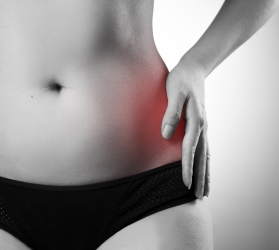
Woman With Hip Pain After Horse Riding
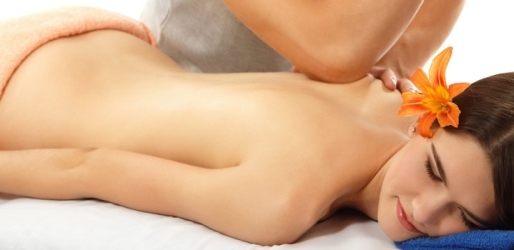
| Horse riding often lead to hip pain due to your position

Hip pain after horse riding is one of those issues that can come even with the perfect saddle and excellent technique. The neutral position for your hips to be in is standing with your feet just a few inches apart(1). Anything wider than this and the muscles in your hips, such as your TFL or glutes, are shortened. Over time they also become tight and inflexible. A similar thing happens when you are sitting down for long periods but the hip flexors at the top of your thigh are also affected.

Combining the two makes things even worse but this is the position you are in on a saddle. Also the size of your horse is a factor. The bigger it is, the wider your legs will be and the shorter the muscles of your hips.

Hip Pain Anatomy

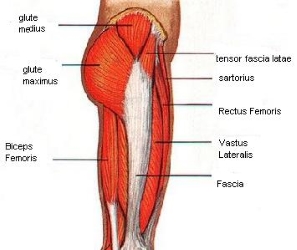
Hip Pain After Horse Riding Anatomy
| Massage can loosen the tight muscles that lead to hip pain

Hip pain generally refers to an area at the top of your leg, mainly on the outside. But it can also radiate around to the front or back. The muscles people usually point to are the gluteus medius and the tensor fascia latae (TFL). These get shorter the greater the distance between your feet. Other areas that can cause hip pain are the gluteus maximus and the upper part of the IT band fascia.

Treatment And Prevention Of Hip Pain After Horse Riding

If you already have hip pain after horse riding then obviously it is too late to prevent this time. But like any sore muscle it can be helped by applying heat for 20-minute periods over the next couple of days. Once it has eased off a little, some gentle stretching can also be beneficial. A deep tissue or sports massage is the best option however, soothing pain and loosening tight muscles.

But prevention is always better than treatment. And although there isn’t a lot you can do about the basic riding position, there could be changes you can make elsewhere. For example, if your average day involves a lot of sitting, instead stand up and walk around whenever you get the chance. This makes a difference even if it is just for a couple of minutes at a time. Also, do some stretches for your hips at least twice a week to maintain your current flexibility.

Unfortunately, if you regularly have hip pain after horse riding, stretching will be of limited benefit to you. It is likely that your muscles are already very tight and have areas where there is a lot of tension that needs releasing. A deep tissue massage or sports massage will help relax painful muscles and ease out knots much more effectively. It can treat hip pain after horse riding and help prevent it occurring in the future.

So don’t let hip pain spoil your riding. Book a deep tissue massage or a sports massage with me today.

Book A Mobile Massage

If you would like to book a mobile massage in York please contact me on 07713 250352 or email david@massageinyork.co.uk. Includes sports massage, deep tissue massage and Swedish massage. For more information on booking click here

Squat Technique – Fix Your Form With Massage

As a mobile sports massage therapist in York, I work with many lifters who are frustrated with their squat technique and ongoing pain. Whether it’s knees caving in, excessive forward lean, butt wink, heels rising off the floor, lower back pain, or just a general feeling that the movement doesn’t feel right, these issues are incredibly common. Many lifters have tried the usual suggestions including more glute activation drills, different cues, mobility work, and even changing their footwear. But the problems persist.

After years of treating body builders, strength athletes and casual gym-goers, I’ve seen the same patterns repeatedly. Most squat problems aren’t simply caused by bad form or weak glutes, they are usually the result of tight, restricted muscles and compensation patterns that have developed over time. Especially in the ankles, hips, thoracic and lumbar spine, and calves. These physical restrictions make good technique extremely difficult, no matter how hard you try to correct yourself.

Simply telling someone to “sit back more” or “drive through the heels” doesn’t fix the root issue. The body needs the actual physical restrictions released before proper movement patterns can then be trained effectively.

In this article, I explain the most common squat technique problems I see in my York clients and how my personalised approach helps. I combine targeted sports and therapeutic massage with movement assessment and corrective work to improve squat form, reduce pain, and allow more effective lifting.

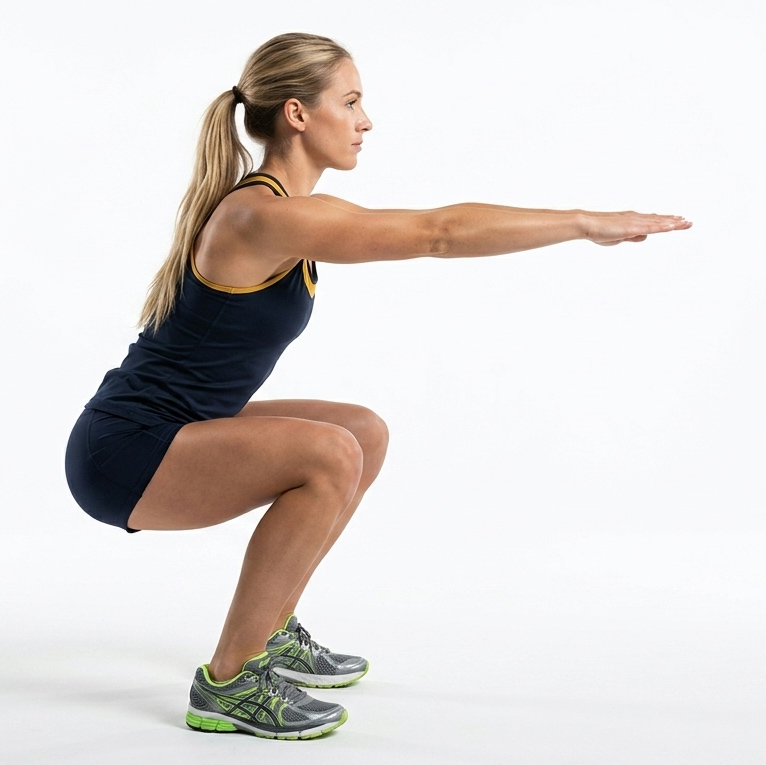
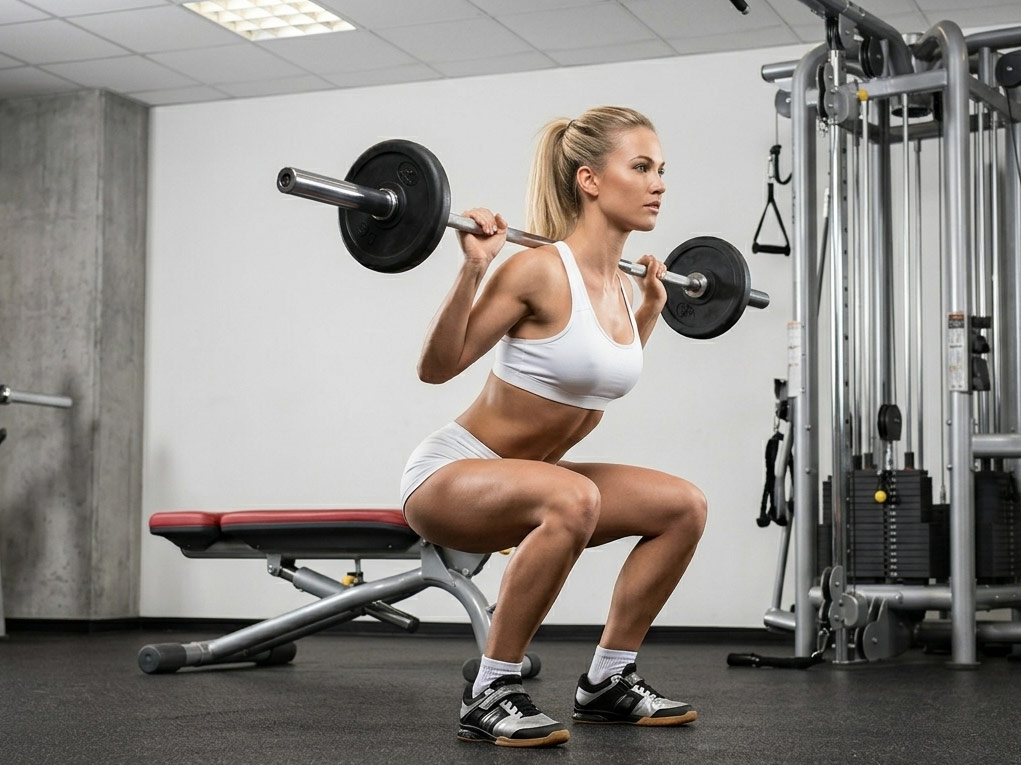
Side profile demonstration of proper deep squat depth with thighs parallel to the floor, showing correct technique to fix shallow squatting.

Why Squat Technique Matters

Squats are an excellent exercise and work the muscles of all the lower body. This includes glutes, hamstrings and quads, plus they affect the body as a whole. But if your squat technique isn’t as good as it should be you won’t get the results you want. You might also find yourself waking up the next morning with excessive soreness or stiffness in your legs or back, and this can make the next couple of days hard work. If this isn’t corrected, chronic pain could develop that remains even after you stop doing squats, plus it could also lead to something more serious such as torn muscles or a slipped disc.

Causes Of Incorrect Squat Technique

If you’ve had someone show you how to do a good squat there are only two reasons why you have issues with your technique. One is trying to lift more weight than you are capable of, the other is lack of flexibility. This lack of flexibility usually comes from spending too much time in a standing or seated position, especially with poor posture. Add to this chronic stress and not enough stretching and over time this leads to a tightening and shortening of muscles. Areas associated with squats such as quads, hip flexors, hamstrings and lower back are particularly affected.

There are some common issues with a poor squat technique that can be linked to specific muscle problems.

Squatting With Excessive Lower Back Arch

One of the most common squat technique issues I see in my clients is excessive arching of the lower back (lordosis). The spine should have a natural, gentle S-curve, but when the pelvis tilts too far forward, the lower back arches excessively. This puts a lot of stress on the lower back muscles and joints and often leads to pain or discomfort during or after squats.

The main cause is usually tight hip flexors pulling the front of the pelvis down, combined with weak or underactive glutes and core muscles that should be stabilising the position.

How I Treat It

When a client comes to me with this problem, I don’t just massage the lower back. I start by releasing the tight hip flexors and iliopsoas, which are often the primary drivers of the anterior pelvic tilt. I also work on the quadratus lumborum (QL) and erector spinae in the lower back to reduce the over-arching and ease muscle tension.

Because the glutes are usually underactive in this pattern, I give particular attention to releasing and then activating the gluteus maximus and medius. After the massage work, I show the client simple but effective glute activation drills and core stability exercises they can do at home or in the gym. These help retrain the body so the pelvis stays in a better position under load.

This combination of targeted release work on the hip flexors and lower back, plus strengthening the glutes and core, is what allows my clients to achieve a much more neutral and powerful squat position with far less lower back stress.

Not Squatting Deep Enough

A good squat technique should allow you to get your thighs at least parallel to the floor (90 degrees or lower at the knee), with your knees tracking over your toes. If you can’t reach proper depth even with just bodyweight, the most common causes I see are tight hip flexors and hamstrings, along with restricted ankle mobility.

This tightness often builds up from spending too much time sitting (at a desk or in the car), standing for long periods, or from activities like jogging that don’t fully stretch these muscles. Over time these restrictions make it physically difficult to get into a proper squat position, no matter how much you try to cue yourself.

How I Treat It

When a client comes to me struggling with squat depth, I don’t just give general mobility drills. I start by thoroughly releasing the tight hip flexors and quads, which are often the main things pulling the pelvis forward and limiting how low you can go. I also work deeply into the hamstrings and calves to improve ankle dorsiflexion.

After the massage I show you specific, practical mobility drills and activation exercises for the glutes and core that you can do as part of your warm-up. These help your body hold a better position once the restrictions are released.

The “Good Morning” Squat

If your squat seems okay on the way down but on the way up your hips shoot backwards and upwards first, leaving your back rounded and your legs straightening before your torso comes upright, then you’re doing what’s commonly called a “Good Morning” squat. This pattern puts a lot of stress on your lower back, hips, and knees.

In most cases, this happens because the glutes (especially gluteus maximus) are either weak, tight, or not firing properly. The hamstrings are often tight as well. When the glutes don’t do their job of driving the hips forward and upwards powerfully, the lower back ends up taking over the lift, which is exactly why this technique feels awkward and can lead to pain or injury over time.

How I Treat It

When a client comes to me with this squat pattern, I focus heavily on the glutes and hamstrings. I use deep tissue and therapeutic massage techniques to release tightness in the gluteus maximus, gluteus medius, and hamstrings. I also work on the hip flexors and lower back because they are usually overworked and compensating for the underactive glutes.

After the massage I show clients specific glute activation exercises (such as glute bridges, hip thrusts, and banded walks) that they can do both as part of their warm-up and on non-squatting days. These exercises help wake the glutes up so they start contributing properly during the squat. Many clients I work with quickly notice a big improvement in their squat pattern. Their hips stay back longer on the way up, their back stays in a much stronger position, and they feel far more powerful coming out of the bottom of the squat.

Knee Pain While Squatting

Knee pain while squatting is extremely common and where the pain is located usually gives a good clue about the cause. Pain at the front of the knee is often linked to tight quads and poor patellar tracking, pain on the outside is typically related to a tight IT band, and pain on the inside or back of the knee is frequently caused by tight hamstrings or calves. But the problem is rarely just in the knee itself. In most cases the knees are suffering because of compensation patterns higher up (weak glutes or tight hips) or lower down (restricted ankles). When lifters try to push through the pain and compensate with poor form, it often creates additional issues elsewhere in the chain.

How I Treat It

When a client comes to me with knee pain during squats, I always assess the full kinetic chain rather than just treating the painful knee. I thoroughly release the tight quadriceps and IT band if the pain is at the front or outside, while if the pain is on the inside or back, I focus more on the hamstrings and calves. I also pay close attention to the gluteus medius and gluteus maximus, which are very often underactive or tight in people with knee pain. Weak glutes cause the knees to cave inwards (valgus collapse), putting extra stress on the knee joint.

After the massage, I show clients specific glute activation exercises (such as side-lying clams, banded glute bridges, and monster walks) that they can do both as part of their warm-up and on non-training days.

Rising Heels While Squatting

If your heels lift off the floor as you go deeper into the squat, you almost certainly have tight calves and restricted ankle mobility (limited dorsiflexion). This forces your body to compensate by leaning forward, which often leads to the “Good Morning” squat pattern, extra stress on your lower back, and poor glute activation.

Many lifters try to fix this quickly by putting small plates or wedges under their heels. While this can help in the short term, it doesn’t solve the actual problem — the tight calves and ankles. Over time, this compensation can create other issues up the chain.

The most common causes I see are lots of sitting or standing during the day, plus activities like jogging or running that tighten the calves further.

How I Treat It

When a client comes to me with rising heels, I focus heavily on the calves and ankles. I use deep tissue and therapeutic massage techniques to release the gastrocnemius, soleus, and the tissues around the Achilles. I also work on the hamstrings and hip flexors because they often contribute to the forward lean and limited ankle range.

After the massage I show clients practical ankle mobility drills and calf stretching techniques they can do daily or as part of their warm-up. These are simple enough to do at home or in the gym and make a noticeable difference when done consistently. Most lifters I treat for this issue find that their squat depth improves, their back position stays stronger, and they get much better glute activation because they can finally squat with proper mechanics.

How I Help Lifters Fix Squat Technique

When a lifter books a session with me because their squat feels wrong or they’re getting pain, I don’t just give them a general massage. I take time to understand exactly what’s going wrong with their movement.

Most squat problems I see aren’t simply because the person has “bad form” or “weak glutes.” They are usually caused by specific tight muscles and weak areas that force the body to compensate. Common issues include knees caving in, leaning too far forward, heels coming up, butt wink, and lower back pain.

Analysing Your Squat

When I arrive at your home, I start by watching you squat. I look at how your ankles move, how tight your quads and hip flexors are, whether your glutes are firing properly, how mobile your upper back is, and how stable your core stays. I also ask about your training, how often you squat, and what you feel when things go wrong.

This assessment is important because it lets me see the real reasons behind the form issues instead of just guessing.

The Treatment

I then use targeted sports and remedial massage to release the main problem muscles:

  • Unlocking calves and ankles: This is the most common reason for heels rising and losing your balance.
  • Loosening quads and hip flexors: These pull you too far forward, limit your depth, and cause that frustrating “butt wink” where your lower back rounds at the bottom.
  • Targeting glutes and deep hip muscles: When these are tight, they switch off your main lifting muscles and cause your knees to cave inwards.
  • Relieving the lower back and QL: These muscles get completely overworked and sore when your hips aren’t doing their job properly.

After loosening the tight areas, I use my Advanced Personal Training background to show you specific, simple exercises that wake up the weak muscles. Especially the glutes and core. These aren’t complicated gym exercises. They are practical drills you can do at home or during your warm-up to help your body hold better positions when squatting.

Why My Approach is Different

A lot of therapists just massage the sore spots and send you on your way. I combine deep tissue work with movement correction. Releasing the tight muscles gets you immediate relief, while the activation exercises help the improvements stick so the same problems don’t keep coming back session after session.

Because I come to your home, you get another big advantage: you can test your squat immediately after treatment while your muscles are still loose. You don’t lose the benefits by having to sit in a car and navigate York’s traffic straight after a session, which just causes everything to tighten up again.

Real Results

Most clients I work with report they can squat deeper with better control, their knees track better, their lower back feels less stressed, and the movement finally starts to feel smoother and stronger. Many say they can add weight more comfortably and their old technique problems don’t return.

This combination of thorough assessment, targeted hands-on work, and practical corrective exercises is why lifters trust me to get them back on track.

An athletic woman in a white sports bra and shorts executing a deep barbell back squat with correct posture and neutral spine alignment in a modern gym setting.

Frequently Asked Questions

Why do I keep having problems with my squat technique even though I watch videos and try to fix my form?

Because videos cannot release physical tightness. Most squat problems aren’t just bad form, they’re caused by structural restrictions in your muscles. Tight calves, stiff ankles, short hip flexors, underactive glutes, or poor upper back mobility will force you into bad positions no matter how hard you try to correct yourself.
Instructional videos can be useful, but they cannot physically release restricted tissue. That is where targeted sports massage combined with the right corrective exercises makes a big difference. I address the physical limitations first so good technique becomes possible.

Can you help with knee pain or lower back pain while squatting?

Yes, these are the two most common issues I treat. Knee pain is often linked to tight quads, restricted hip rotators, or underactive glutes causing poor tracking. Lower back pain is frequently a consequence of poor ankle mobility, tight glutes pulling on the pelvis, or excessive forward lean. I focus on releasing the contributing muscles and improving structural stability so you can squat with less pain and better technique.

Can massage really fix “butt wink” or knees caving in?

Yes, by addressing the underlying muscular pulls. Butt wink is frequently caused by a tight gluteus maximus or tight hamstrings being unable to stretch at the bottom of the movement, which physically pulls the pelvis underneath. Stiff ankles also contribute by forcing the torso forward. Knees caving in is typically linked to tight inner thighs combined with underactive or weak glutes. By releasing these specific, tight muscle groups and activating the weak ones, I help many lifters achieve a much more stable and upright squat position.

How is your approach different from a normal sports massage or physio?

I combine deep tissue release with movement coaching. A standard sports massage often just rubs the sore spots. But because I am also an Advanced Personal Trainer, I combine deep tissue and therapeutic massage with movement assessment and corrective exercises. I don’t just release the tight muscles, I help you strengthen the weak ones so the correct squat position becomes your natural technique. This approach gives you much longer-lasting improvements.

Why is mobile massage good for lifters working on squat technique?

It completely eliminates the post-treatment commute. Sitting in York’s traffic for 30 minutes right after deep tissue work causes your nervous system to tighten everything back up, undoing a lot of the benefits. Having treatment at home means your muscles stay completely loose and relaxed. You can immediately test your squat or do some light activation work, which is why many lifters feel noticeably better in the gym the next day.

How long does it usually take to see improvements in squat form?

Usually 1 or 2 sessions. Many lifters notice they can squat deeper with better knee tracking and less lower back stress very quickly. For more significant and lasting changes, especially if you have had technique issues for a while, I usually recommend 4–6 sessions.

Will the massage be painful if I have tight muscles from squatting?

I always work within your comfort level but some areas (especially tight calves, quads, and glutes) can feel quite intense when they are highly restricted. However, it should feel like a productive, relieving pressure rather than sharp pain. I ask for your feedback regularly throughout the session and adjust my pressure immediately if needed. The goal is to release tension effectively without leaving you too sore to train.

Do I need to stop squatting while I have treatment?

In most cases, no. I will give you honest advice based on exactly what I find during your initial assessment. Most clients can continue squatting with minor modifications, such as temporary adjustments to weight, reps, or rest periods, while we work on the restrictions. I also show you specific warm-up drills and activation exercises to do before your workouts to support the improvements we make.

Is it worth getting treatment if I only squat once a week?

Absolutely. Tight muscles can still build up from daily life (such as sitting at a desk, driving, or old injuries) and limit your squat performance. Addressing these restrictions will improve your depth, comfort, and strength even if you only squat occasionally. Many clients are surprised by how much better their training feels after a few targeted sessions.

Book A Mobile Massage

If you would like to book a mobile massage in York please contact me on 07713 250352 or email david@massageinyork.co.uk. Includes sports massage, deep tissue massage and Swedish massage. For more information on booking click here

Muscle Knots – What Are They And How To Treat Them

Muscle knots have been felt by most people at some point. It’s usually when your hand goes to the pain in your neck, shoulder or lower back. But if you’re one of the lucky few who hasn’t ever had this experience, you’re sure to know someone that has. What are muscle knots though, what causes them, why do they hurt and how can massage get rid of them?

What Are Muscle Knots

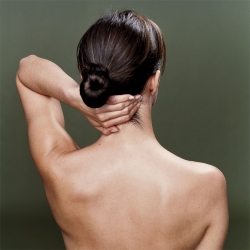
Woman With Muscle Knots Before Massage
| An active muscle knot can lead to intense pain and even injury

The term muscle knots is used to refer to what are also called trigger points. This does not mean your muscle have literally tied themselves in a knot. It refers to small areas that are tense or in spasm and bunch up. No one really knows exactly what causes them but a tense muscle that is also inflexible is far more likely to have knots in it. Individuals with latent trigger points might go about their day without experiencing any symptoms. Active trigger points produce noticeable sensations like achy discomfort or difficulty performing certain movements. This kind need pressure on them to cause what feels like a dull ache. However, an active muscle knot causes intense pain without any pressure, making it difficult to get through a normal day.

Where Can You Get Muscle Knots?

You can develop muscle knots pretty much anywhere there is muscle but some areas are more likely to have them.

Upper Body

The semispinalis capiti muscle is at the back of your neck and often develops muscle knots. Not only can this cause you pain, it can also contribute to migraines and tension headaches.

The trapezius muscle runs from your neck, across to your shoulders and down between your shoulder blades. Pain in the side or back of your neck, or your upper back, could well be a muscle knot.

The myofascial region of your back is particularly prone, especially the lower back area. Here the knots can cause extra problems if they combine with tense muscles and press up against your sciatic nerve. The resulting sciatica can cause intense stabbing pain that shoots down your leg, sometimes as far as your foot.

Lower Body

The gluteus maximus, medius and minimus muscles of your buttocks can get knots that can cause a variety of aches and pains. Problems in this area can often mistakenly be blamed on lower back issues and therefore go undiscovered and untreated.

The IT band, which runs down the outside of your leg, can get muscle knots that contribute to hip or knee pain.

The calf muscles become shortened by long hours spent in a seated position at a desk or driving. This is often followed, after little or no warm up, by exercise such as jogging or sport. The result is tight, tense calves and painful muscle knots.

How To Prevent Muscle Knots

Although the exact cause of muscle knots isn’t known there are some things you can do to help prevent them(1). Being in one position for long periods can shorten muscles and cause inflammation. Whether you’re sitting or standing at work all day or in front of the TV or computer on an evening, muscles don’t like inactivity. Especially if you have a bad posture. Instead try adding more activity to your day when possible. Whether it involves a lot of sitting or standing, take a walk somewhere. Even if it’s just for a couple of minutes to the office next door.

Impact exercise such as jogging, aerobics or sport can also cause cumulative damage that results in muscle knots. And weight training of any kind can very often lead to problems. Regular stretching can help to prevent them by keeping muscles flexible and loose. This will also ensure they have a good blood supply.

How To Treat Muscle Knots

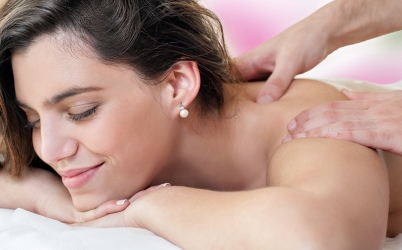
Man With Muscle Knots Having Massage
| The best way to get rid of knots is with deep tissue or sports massage from a qualified massage therapist

You might already have muscle knots that are causing you some pain, or even worse affecting your daily life. In that case there are a couple of ways you can ease things. Heat on the affected area will help the muscles relax so try a hot water bottle or a bath. And using a foam roller can provide some temporary relief or even stop things getting worse. But this isn’t always easy to do.

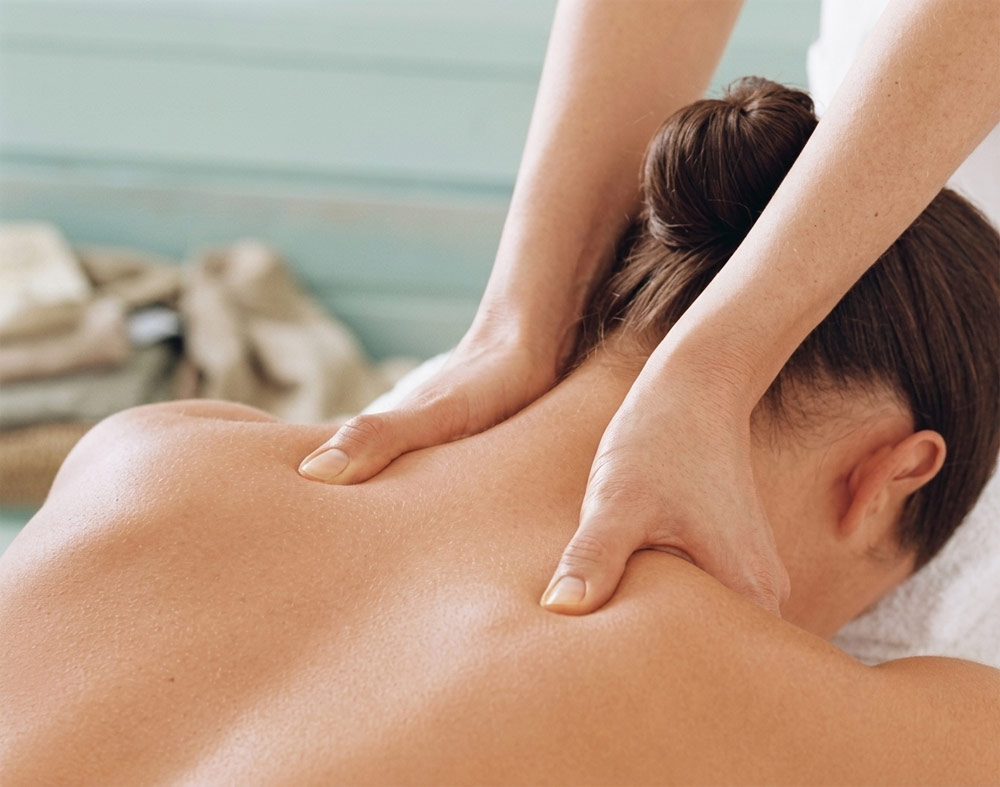
One of the best treatments for muscle knots is deep tissue massage or sports massage. This can get rid of your knots, relax tense muscles, increase flexibility and improve their blood supply. All without you having to lift a finger. It is also excellent for treating and preventing muscle problems before they develop into something more serious and more painful.

Book A Mobile Massage

If you would like to book a mobile massage in York please contact me on 07713 250352 or email david@massageinyork.co.uk. Includes sports massage, deep tissue massage and Swedish massage. For more information on booking click here

Can’t Sleep – How Massage Can Help

If you can’t sleep the reason is probably a common one. Whether it’s from stress, anxiety, pain or changing shifts at work, everyone gets insomnia at some point. Long-term consequences of insufficient sleep include marked reductions in energy and cognitive function, significantly impacting daily activities. But just one night of poor sleep can have negative effects the following day. Massage demonstrates effectiveness in treating insomnia and enhancing sleep quality(1), thereby alleviating its associated symptoms. Although the precise reasons for insomnia depends on the individual they usually fit into a small group of common causes.

You Can’t Sleep Due To Stress And Anxiety

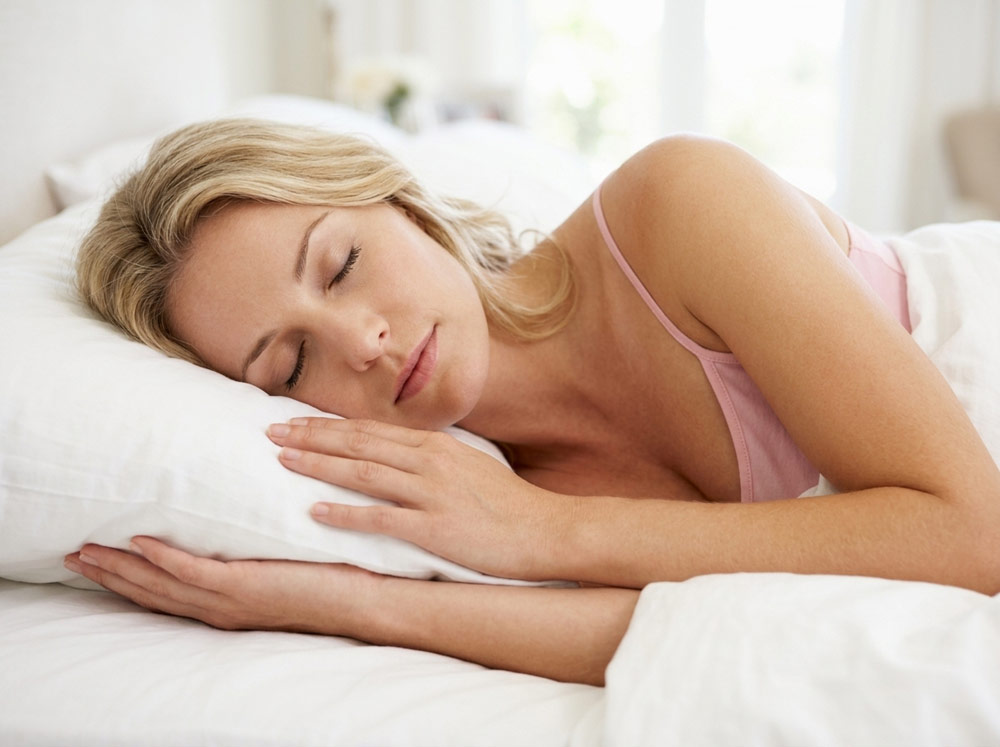
Woman can't sleep Massage In York
| Stress and anxiety make it difficult to relax

A hectic job, studying for an exam, or relationship problems can all lead to stress and anxiety. In turn they engage your fight or flight response. This involves an increase in certain hormones, such as cortisol, an increased heart rate and increased blood pressure. It also shifts blood away from your vital organs to your muscles. In the short term this might mean it takes a little longer to get to sleep than normal. But if the source of the stress continues and its effects aren’t dealt with things could get worse. You might lay in bed for an hour or two before you finally drop off, or wake throughout the night.

If the issue is more to do with waking an hour or two earlier than normal, after which you can’t sleep anymore, depression could be the reason.

You Can’t Sleep Because Of Pain

If pain is stopping you getting to sleep or waking you during the night then obviously you should take steps to reduce it. Painkillers can do this but many of them actually cause insomnia or low quality sleep. If possible try more natural means instead. If the cause is muscular try regular stretching, especially an hour before going to bed. This can loosen up tight areas and help to relax your body and mind in general.

Medication And Alcohol Effects Mean You Can’t Sleep

Many medications have insomnia as a side effect. This includes sleeping pills if taken for more than the recommended amount of time. And while alcohol might help induce sleep in the short term, it will be of a lower quality.

You Can’t Sleep Because You Work Shifts

Shift work’s disruption of your natural sleep-wake cycle, exposure to artificial light and frequent schedule changes all contribute to sleep challenges. Throughout the day, your whole body engages in a complex process that prepares you for sleep at night. Shift work disrupts this intricate system, leading to sleep challenges. A regular bedtime and waking time helps to regulate your body’s natural circadian rhythm. This means that different hormones and processes start and finish at regular times, preparing you for bed several hours in advance of when it is expected. Any change to your routine, such as shifts, disrupts this and might mean that you can’t sleep. Or you have low quality sleep and don’t feel rested when you wake up.

What Happens When You Can’t Sleep

Not getting enough sleep, even in the short term, can have negative effects on your body and mind. A lack of concentration, low energy and mood and a weakened immune system can leave you open to getting ill. Which will only make things worse. Sleep deprivation triggers the release of cortisol, a stress hormone, as if the body is facing a fight-or-flight situation. Over time this can make things worse, as well as causing you to gain weight. Lower levels of another hormone, called leptin, adds to this by failing to tell your brain that you have had enough to eat. A biochemical, called ghrelin, stimulates your appetite even further.

If that wasn’t bad enough, if you can’t sleep your body will have higher insulin levels after eating. This further promotes fat storage and increases the chances of developing type 2 diabetes. It also raises the risk of high blood pressure, heart disease, stroke and other chronic illnesses.

How Massage Can Help

can't sleep Massage In York
| If you can’t sleep, even one massage from a qualified massage therapist can help

Research shows that even a single massage session can deliver tangible benefits to both your physical and mental well-being. Regular massages can treat or even prevent a host of conditions. Stress and tension is released, relaxing your muscles, lowering blood pressure and slowing your heart and breathing rate. Your immune system is given a boost, helping to fight off colds, flu and even more serious illnesses. Plus blood flow is increased, helping to heal injured or tight muscles which might otherwise interfere with quality sleep.

Book A Mobile Massage

If you would like to book a mobile massage in York please contact me on 07713 250352 or email david@massageinyork.co.uk. Includes sports massage, deep tissue massage and Swedish massage. For more information on booking click here

Tennis Elbow & Golfer’s Elbow – Causes Of Elbow Pain

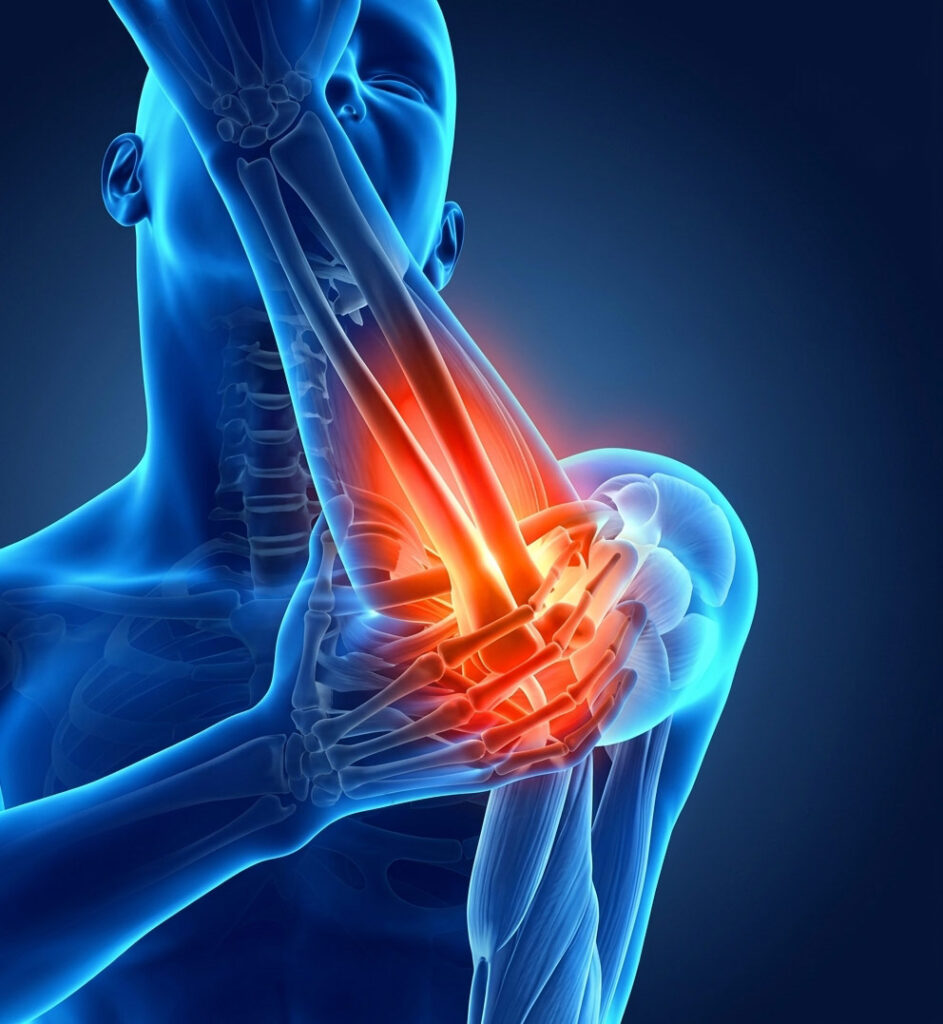
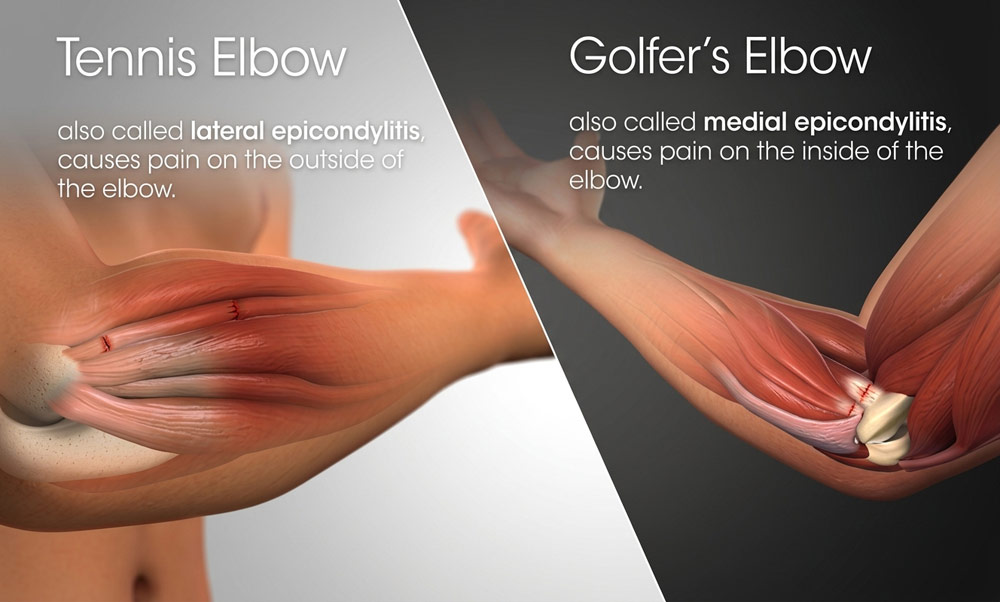
Tennis elbow and golfer’s elbow have one thing in common – they both cause elbow pain. This can come on suddenly and become chronic if left untreated, or appear gradually over time. Different causes, not just the pain location, distinguish tennis elbow from golfer’s elbow. Tennis elbow mostly targets the outside of your arm and golfer’s elbow the inside. Knowing the symptoms, causes and how to treat them can speed up your recovery and prevent it returning.

What Is Tennis Elbow

Tennis Elbow Golfers Elbow Pain
| People with tennis elbow typically feel pain on the outside of their elbow.

Tennis elbow is a term for pain on the outside of your elbow. The cause is usually inflammation of the tendon which comes from the wrist and inserts into elbow. It is more technically known as epicondylitis or extensor tendinopathy(1). Tennis elbow can also arise from a variety of other activities. These include heavy lifting (especially if repetitive), typing or twisting actions similar to using a screwdriver.

Tennis elbow is usually a chronic injury that develops from overuse. But suddenly overloading the muscles on the back of your forearm, responsible for hand-raising, can trigger rapid-onset tennis elbow. This acute injury can cause chronic, long-term elbow pain if not suitably rested.

Tennis Elbow Symptoms

The main symptom of tennis elbow is elbow pain on the outside about an inch below the bone. This is often accompanied by weakness in the muscles of your forearm and wrist. The result is that simple tasks such as using a door handle, picking up a cup or using a pen can cause a sudden sharp elbow pain and loss of strength. Actions such as typing are more likely to cause a throbbing in your forearm. Turning your arm so the palm is facing upwards is the best way to relieve it.

What Is Golfer’s Elbow

Golfer’s elbow is also known as medial epicondylitis. It is similar to tennis elbow in that it is an overuse injury that causes elbow pain. But the pain is instead on the inside of your elbow and the result of bending your wrist downwards, or preventing your wrist moving upwards against resistance.

Golfer’s Elbow Symptoms

For individuals with golfer’s elbow, downward wrist flexion, especially against resistance, causes pain on the inner elbow. Pain is also felt by twisting your wrist inwards so the palm is facing down. Golf is a good example. Also any underhand throwing action, weight training or repetitive computer work such as using a mouse. As with tennis elbow there may well be weakness in the muscles of your forearm and wrist.

How To Treat Elbow Pain

Tennis Elbow Golfers Elbow Anatomy
| Golfer’s elbow manifests as pain on the inner side of the elbow.

Whether the cause of your elbow pain is tennis elbow, golfer’s elbow or both, the treatment is the same. If the pain is acute and came on suddenly the first 72 hours involve resting and icing the source. Not doing so can result in the condition becoming chronic which makes it more difficult to deal with. After 72 hours, or if the elbow pain is already chronic, sports massage by a massage therapist has shown to be very effective in treating tennis elbow and golfer’s elbow. This involves massage to the source of the pain itself. As well as the muscles of your forearm and upper arm. This will help reduce tension and take the strain off the tendon at the elbow, helping prevent the problem returning. Carpal tunnel syndrome could also be the source of your pain, read this to find out.

Book A Mobile Massage

If you would like to book a mobile massage in York please contact me on 07713 250352 or email david@massageinyork.co.uk. Includes sports massage, deep tissue massage and Swedish massage. For more information on booking click here

Migraines And Tension Headaches – How Massage Can Help

As a mobile sports and therapeutic massage therapist in York, I help many clients who suffer from frequent tension headaches and migraines that disrupt their work, sleep, and daily life.

While medication can provide short-term relief, many people are looking for a more natural way to reduce both the frequency and severity of their headaches. In my experience, a large number of tension headaches and migraines are closely linked to tight muscles in the neck, shoulders, upper back, and jaw which are often caused by stress, poor posture, long hours at a desk, or driving.

With qualifications in sports massage and Advanced Personal Training, and having treated my own long-term chronic pain, I take a targeted approach that goes beyond general relaxation. I focus on releasing the specific muscles that contribute to headache pain and give clients practical advice to help prevent them returning.

In this article, I explain the common muscular causes of tension headaches and migraines I see in York and how my personalised sports and therapeutic massage approach can help reduce or even stop them.

Tension Headaches

Tension headaches are the most common type of headache I see in my York clients. They usually feel like a tight band around the head, pressure at the temples, or a dull ache across the forehead and scalp. The pain can range from mild to moderate and can last from 30 minutes to several days.

In my experience, the majority of tension headaches are caused by tight, overworked muscles in the neck, shoulders, upper back, and jaw. Poor posture from long hours at a desk or driving, stress (which causes people to shrug their shoulders or clench their jaw), and even sleeping in an awkward position are all major contributors.

How I Treat Tension Headaches

When a client comes to me with tension headaches, I focus on releasing the key muscles that are referring pain into the head, especially the upper trapezius, levator scapulae, suboccipital muscles at the base of the skull, and the muscles around the jaw.

I use a combination of deep tissue and therapeutic massage techniques to ease the trigger points and tightness that are causing the headache. Many clients feel noticeable relief during the session itself as the pressure on the nerves and blood vessels is reduced.

After the massage I show clients simple self-release techniques and postural resets they can do at home or at their desk when they feel a headache starting. Many of my regular clients report that their tension headaches become much less frequent and less severe after a few sessions.

A woman showing signs of intense head pain and muscle tension, a common pattern treated with targeted remedial mobile massage therapy in York

Migraines

Migraines are more intense than tension headaches and can be truly debilitating. They often cause throbbing pain on one side of the head, sensitivity to light and sound, nausea, and in some cases visual disturbances (aura).

Many migraines have a strong muscular component, such as tight neck and shoulder muscles, jaw clenching from stress, and poor upper back posture which can irritate nerves and blood vessels, triggering or worsening migraine attacks. This was my experience when I used to have migraines but I stopped them by relieving my own muscle tension.

How I Treat Migraines

When treating clients who suffer from migraines, I focus on the upper trapezius, levator scapulae, suboccipital muscles, and the muscles around the jaw and temples. I use slow, sustained pressure and gentle mobilisation techniques to release the tension that is contributing to the migraine cycle. I also work on improving overall neck and upper back mobility so the head sits in a better position.

Many clients find that regular sessions not only reduce the intensity of their migraines but also decrease how often they occur. After the massage I give clients specific advice on posture, jaw relaxation techniques, and simple daily stretches that can help prevent future episodes.

What Type Of Massage Is Best For You

The best type of massage for migraines and tension headaches depends on your specific triggers and how your body responds. For most of my clients, I recommend a combination approach:

  • Swedish-style techniques for overall relaxation and to calm the nervous system. These long, flowing strokes help reduce general stress and tension that often triggers headaches.
  • Targeted therapeutic and deep tissue work on the key problem areas, including trapezius, neck and the jaw muscles if clenching or grinding is an issue.

I adjust the pressure and focus based on what I find during the session. If your headaches are mainly stress-related, I lean more towards relaxation techniques. If there is significant muscle tightness, knots, or trigger points (common with desk work or driving), I use more targeted deep work to release those specific areas.

A therapist performing therapeutic remedial neck and shoulder massage to help reduce the frequency and severity of migraines for a client at home in York.

Frequently Asked Questions

Can massage really help prevent headaches?

For most people, yes. By regularly releasing the muscles that build up tension and an improved posture, many clients find their headaches become less frequent and less severe.

What type of massage is best for migraines vs tension headaches?

For tension headaches I often use a mix of Swedish and therapeutic techniques to relax the neck, shoulders, and upper back. For migraines I tend to focus more on the suboccipital muscles at the base of the skull, jaw, and upper trapezius. I always tailor the treatment to what your body needs on the day.

How many sessions will I need to see results?

Many clients notice a reduction in frequency or intensity after 2–4 sessions. For long-standing or frequent headaches, I usually recommend an initial block of 4–6 sessions. After that, many people move to maintenance sessions once a month. I’ll give you an honest recommendation after the first assessment.

What should I expect during a session for headaches?

We start with a short consultation so I understand your headache pattern, triggers, and any areas of tightness. During the massage I focus on the neck, shoulders, upper back, and jaw using a combination of relaxation and targeted remedial techniques. Pressure is always adjusted to your comfort and many clients feel some relief during the session itself.

Will the massage make my headache worse?

Usually not. Most people feel a reduction in pressure or pain during or straight after the session. However, if the muscles have been very tight for a long time, you may feel mild soreness the next day (similar to post-workout DOMS) that typically passes within 24 hours and is then followed by improved comfort.

Why is mobile massage particularly good for headache sufferers?

After treatment your neck and shoulders are looser and your nervous system is calmer. Having to drive home or sit in traffic, especially in York, can quickly re-tighten everything and trigger another headache. With a mobile service you can stay in your own relaxed environment and rest properly, which helps the benefits last much longer.

Is there anything I can do between sessions to help?

Yes. I show clients simple self-release techniques for the neck and shoulders, postural resets they can do at their desk, and jaw relaxation exercises if clenching is an issue. Reducing screen time, staying hydrated, and managing stress levels also make a big difference.

Summary

Tension headaches and migraines can be debilitating, but many are driven by tight muscles in the neck, shoulders, upper back, and jaw rather than the head itself. My targeted mobile massage focuses on releasing these key areas, improving posture, and reducing overall tension. Many clients in York report fewer and less severe headaches after a few sessions, along with better sleep and reduced stress levels.

If you’re tired of relying on medication and want a practical, long-term approach to managing your headaches, I’d be happy to help with a personalised treatment at your home.

Book A Mobile Massage

If you would like to book a mobile massage in York please contact me on 07713 250352 or email david@massageinyork.co.uk. Includes sports massage, deep tissue massage and Swedish massage. For more information on booking click here

Back Massage – Who Should Have One?

A back massage generally refers to the area between your shoulders and your waist. Issues that usually involve the lower back include pain, stiffness or problems affecting the sciatic nerve down into the legs. In the upper back the problems are most often between the shoulders blades and up towards the neck. Also, muscles running alongside the spine, from the pelvis to the upper back, often become shortened and tense.

These can all benefit greatly from a sports massage from a qualified massage therapist.

What Is a Back Massage Good For

There are many issues that can be helped by a back massage but some are more common than others(1).

Upper Back Massage

Back Massage Anatomy - Massage In York
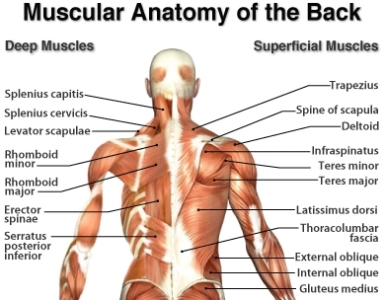
| Issues with the deeper muscles can often manifest as pain in the superficial muscles closer to the skin.

In the upper back, tension in your rhomboids, which are muscles between your shoulders blades, can cause a feeling of stiffness. This can radiate into your shoulders, especially when reaching upwards or forwards. It can also involve your trapezius muscle, which causes tightness in your neck from prolonged computer work or phone use. If left untreated, upper back issues can go on to cause migraines, tension headaches and make you more prone to injury.

Mid-Back Massage

Twisting your upper body can reveal tightness in the large latissimus muscles, potentially contributing to discomfort in your mid-back. It could also be the intercostal muscles between your ribs, which are often neglected in a back massage. This can be due to activities such as running or racket sports that involve sudden twisting movements. Prolonged inactivity, such as driving or sitting at a desk all day, can result in a lack of flexibility. In turn this can lead to pain or stiffness in the muscles that can sometimes affect your breathing.

Lower Back Massage

Pain in your lower back can have many causes. The most common is tightness in the muscles which run up alongside your spine (erector spinae). To avoid misdiagnosis with sciatica, be aware that lower back pain can also stem from tightness or inflammation in your gluteal muscles. This is usually the result of heavy lifting with poor technique or prolonged sitting.

Even if you have no specific issues, the muscles in your back can store a lot of tension which a back massage can help alleviate.

What Type Of Massage Do You Need?

The type of back massage you need depends the cause of your discomfort, the severity and it’s specific location. In many cases a Swedish massage is sufficient as it relieves stress and anxiety, relaxing muscles which were in spasm. In some areas, like between the shoulder blades, a targeted application of deeper pressure may be necessary for optimal relief.

For muscle tension or even injury, a deep-tissue or sports massage more actively addresses the problem. This is often the case in the lower back area and involves softening the superficial muscles in order to work on the deeper ones. However, it does not mean that the massage will be painful.

What Else Can Cause A Bad Back

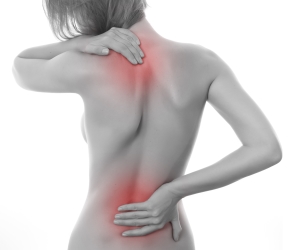
Woman With Neck And Back Pain - Massage In York
| Two areas frequently targeted by back massages are the lower back and the region between the shoulder blades

If you have pain, tension or other problems in your back then a back massage will help to relieve it. But in some cases the cause is elsewhere. Tight hamstrings in the back of your legs can pull your pelvis out of alignment, contributing to lower back pain. This is often the case with people who sit at a desk all day.

Another common but often overlooked cause of problems is tightness in the upper part of the glutes (buttocks). This can often lead to tightness and pain in the hips due to a lack of flexibility. The same is true of the hip flexors at the top of the thigh. If the muscles here are tight from prolonged sitting it can be difficult if not impossible for your hips to be in the correct position. The result is an over-arching of your lower back which can cause pain, tightness and increase the risk of back injury.

In your upper back there are two areas which are common sources of problems. One is the trapezius, which is a diamond-shaped muscle that runs between your shoulders and up into your neck. The other is your rhomboids, which are responsible for pulling your shoulder blades together. However, tightness in your neck or shoulders can also cause incorrect posture which could be the source of the problems.

Book A Mobile Massage

If you would like to book a mobile massage in York please contact me on 07713 250352 or email david@massageinyork.co.uk. Includes sports massage, deep tissue massage and Swedish massage. For more information on booking click here

Fibromyalgia Massage Treatment

Fibromyalgia is a chronic condition that affects 1 in 20 people, mostly between the ages of 20 and 50(1). Also known as fibromyalgia syndrome it can have many symptoms, but the most common is muscle pain and stiffness. A massage therapist for fibromyalgia can help relieve muscle tension, promote general relaxation and naturally aid deep sleep.

What Is Fibromyalgia

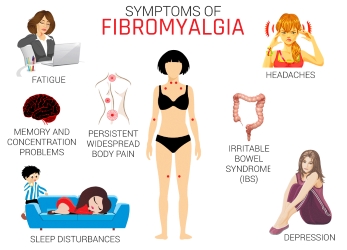
Fibromyalgia Symptoms Before Massage
| Fibromyalgia can have many symptoms besides muscle pain

Fibromyalgia is a long-term condition and it’s main symptom is pain in muscles, tendons and joints. Women are far more likely to suffer from it than men and the exact cause is still unknown. Though thankfully it is less likely to be viewed as something that is “all in the mind”. Other common symptoms include fatigue, difficulty sleeping, problems with memory and concentration, headaches and irritable bowel syndrom (IBS). However, it is possible that some “symptoms” are actually the cause of fibromyalgia, or at least contribute to its severity. For example, muscle pain can prevent poor quality sleep as the discomfort can keep waking you up. But poor quality sleep can cause muscle pain as it does not allow the body to properly repair itself.

Massage For Fibromyalgia Treatment

Research indicates that massage therapy can effectively alleviate numerous symptoms associated with fibromyalgia, even though the precise cause of the condition remains unknown. In a survey, participants with fibromyalgia consistently reported significant symptom relief after receiving massage therapy, making it a popular choice for symptom management(2). Each massage can reduce the severity of several symptoms at once and no, it will not be a painful experience. As with any massage treatment it does not have to hurt to be effective. And you are always in control of how much pressure is applied and how deep the massage is.

Here are just a few ways that  massage help your fibromyalgia symptoms.

Pain And Stiffness

You might feel pain across your entire body, or it could be worse in some areas than others. Often it is the neck and shoulders, lower back or legs where people report getting the most problems. A gentle Swedish massage can help to relax tight muscles, reduce inflammation and help to flush out toxins. It will also help to increase blood flow to bring nutrients and naturally release pain-relieving chemicals. In turn this can allow a more active lifestyle which has been shown to improve the severity of fibromyalgia. Click for more on massage and pain relief

Fatigue And Poor Quality Sleep

Poor quality sleep is a common symptom of fibromyalgia due to frequent waking or just a lack of deep sleep. Either way, a constant feeling of fatigue is often the result, making it impossible to do anything worthwhile. Whether its muscle pain that’s preventing you getting a good night’s rest or even restless legs syndrome, massage can help. Besides reducing pain it relaxes your muscles and gets rid of the stress hormones that are common with fibromyalgia. Instead, massage causes your body to release natural endorphins. These are your body’s “feel-good” chemicals that promote a feeling of well being and comfort to aid deep sleep.

Headaches And Migraines

Tight and painful muscles are very often the cause of headaches and migraines, along with stress and lack of sleep. Plus they can be more frequent and more severe if you suffer with fibromyalgia. Often they begin with tension in the neck and shoulders which can go on to feel like a tight band over or around your head. Or they can set off a migraine, especially if you are already prone to them. A neck and shoulder massage can relax the muscles responsible to reduce the severity and frequency of your headaches. It can even prevent them occurring at all.

Fibromyalgia In Summary

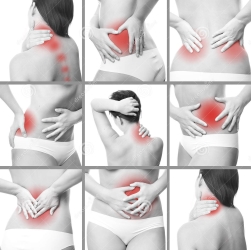
Fibromyalgia Massage Areas
| Massage can help to relieve many symptoms of fibromyalgia

There are many other symptoms associated with fibromyalgia so I have only mentioned how massage can treat the most common. But many more of them can be helped by a combination of techniques that are specific to you. Whether this is a gentle full-body Swedish massage or a slightly deeper and more targeted deep-tissue massage. At the very least you will experience more relaxation and a improvement to your mood and overall well being.

Book A Mobile Massage

If you would like to book a mobile massage in York please contact me on 07713 250352 or email david@massageinyork.co.uk. Includes sports massage, deep tissue massage and Swedish massage. For more information on booking click here

Deep Tissue Massage – What Is It?

A deep tissue massage is intended to help relieve painful, tight or injured muscles. If relaxation is your goal, a Swedish massage might be more suitable. Also, a deep tissue massage will generally focus on a specific area of tightness or injury. A relaxation massage is more likely to involve the whole body.

What Is Deep Tissue Massage?

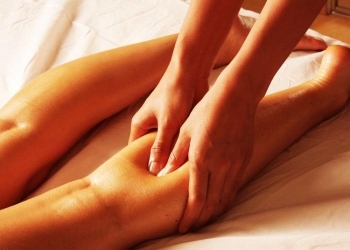
Calf Having Deep Tissue Massage In York
| A massage therapist relieving tension in the calves

A deep tissue massage can treat a variety of complaints. These include muscle pain, muscles that are tight or knotted, postural issues, back pain, sciatica or neck and shoulder pain. It can also help with injuries from exercise such as tennis elbow or a strained hamstring. Or something that stops you exercising at your best. Studies have shown that massage can be effective in relieving osteoarthritis pain and fibromyalgia.

Many of the techniques used for deep tissue massage are similar to those for relaxation. But as the name implies, the aim is to work deeper into the muscles. For example, tension or injury to muscles that are close to the skin could cause your back problems. In many cases however, the issue is deeper. This means that more pressure may need to be applied in order to reach them. Therefore the massage might well start off feeling like one intended for relaxation in order to loosen up the surface muscles. But this is only to get through to those beneath where the actual problem lies.

Does A Deep Tissue Massage Hurt?

Whatever you’re reasons for getting a deep tissue massage, if one is necessary it usually means that there are some muscles that need to relax. The extra pressure might not be quite as comfortable as a relaxation massage. This does not mean it will be painful however. If you experience pain during a massage you are likely to tense up your muscles rather than relax them, which is the opposite of what we want. There may be certain areas that are more sensitive than others, but this should no more than a discomfort. As with any massage though, you have the final say on the pressure applied and the treatment used.

Deep Tissue Massage Techniques

If you have ever had a Swedish massage you will recognise some of the techniques. But it’s not as simple as the same thing with more pressure. Deep tissue massage actively targets “knots” and scar tissue, promoting their release and reducing pain and inflammation. In turn this can limit range of motion, affect circulation and impinge nerves such as the sciatic nerve which can cause back pain.

Effleurage is first used to in order to warm up muscles and facilitate relaxation. After this, other techniques are then applied depending on the nature of the problem. The most common include petrissage, which is used to compress and squeeze muscles to get rid of knots. Also friction, which works against the grain of a muscle, and stripping, which is a deep gliding pressure along the muscle.

Benefits Of Deep Tissue Massage

Some of the many benefits include:

Reduced Stress And Tension

Shoulder Having Deep Tissue Massage In York
| Upper back pain is often the result of muscle tension and stress

Studies have shown that deep tissue massage is even more effective than Swedish massage for reducing stress and tension (1). This is important because chronic stress increases inflammation in the body. And this can lead to a host of illnesses and conditions. This includes a weakened immune system, which is unable to fight off colds and influenza or more serious illness. It can also cause high blood pressure with its potentially life-threatening side effects and general poor health. A single massage session has demonstrably lowered both blood pressure and resting heart rate.

Breaking Up Of Scar Tissue

Following injury the formation of scar tissue can slow recovery and reduce range of movement. Also, inflammation around the injury can restrict blood flow, preventing vital nutrients reaching the area and increase pain. Deep tissue massage can minimise the formation of scar tissue, reduce muscle spasms and stimulate blood flow. Untreated scar tissue in an older injury can lead to chronic pain and a reduced range of motion. Treating this with massage can return the affected area to normal function.

Reduced Arthritis Symptoms

The Arthritis Foundation states massage is often used in the relief of many common symptoms of arthritis (2). This includes reduced pain and stiffness, reduced anxiety, improved range of motion and better quality of sleep. But the pressure has to be moderate, as with a deep tissue massage, rather than light. Deeper pressure lowers the heart rate which stimulates relaxation and reduces tension.

Treatment For Chronic Back Pain

There are numerous treatments for chronic back pain, but many are ineffective, short-term or invasive. The most frequent cause is muscle strain, whether by sudden movement, over exertion or pre-existing tension. Inflammation and scar tissue can persist after healing and contribute to the ongoing experience of chronic pain. Deep tissue massage can reduce scar tissue and inflammation whether it has been weeks, months or even years.

Book A Mobile Massage

If you would like to book a mobile massage in York please contact me on 07713 250352 or email david@massageinyork.co.uk. Includes sports massage, deep tissue  massage and Swedish massage. For more information on booking click here

Pain After Horse Riding – Causes And Treatment

As a mobile sports and therapeutic massage therapist in York, I treat a lot of horse riders struggling with pain and tightness after riding.

Horse riding is very physically demanding on the body. The repetitive movements, long hours in the saddle, and the need to stay balanced and strong. This can create specific patterns of muscle tension and imbalance, particularly in the lower back, hips, glutes, thighs, and upper back. Many riders simply accept this pain as “part of riding,” but it doesn’t have to be.

Having worked with riders of all levels across York and surrounding areas, I’ve learned that the most effective treatment isn’t just a general massage. It comes from understanding the unique demands of horse riding and targeting the specific muscles and compensation patterns that commonly cause problems.

In this article, I explain the most common causes of pain I see in horse riders and how my personalised sports massage approach helps relieve discomfort while improving mobility, stability, and riding performance.

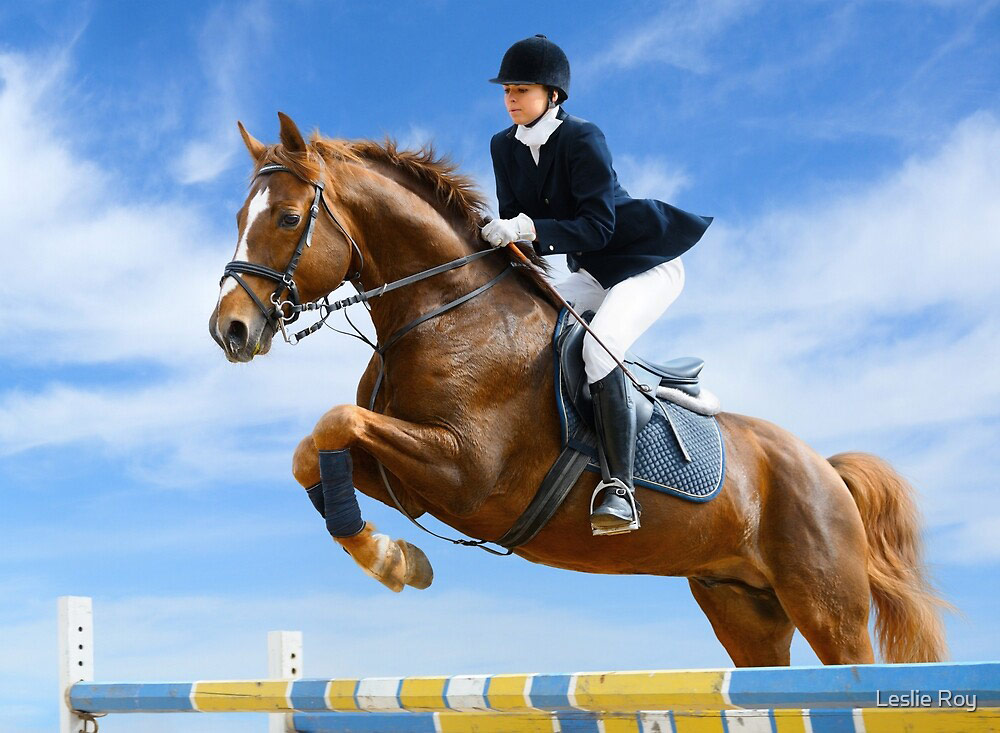
A show jumper competing in York, illustrating the intense physical demand, core stability, and hip flexor strain experienced during horse riding.

Hip Pain

Hip pain after horse riding is a result of riding position and tight muscles at the top of your leg. Although mainly on the outside of the hip, the discomfort can extend to both the front or back. Regardless of your riding style, the constant shortening of the tensor fascia latae (TFL) and gluteus medius muscles due to an unnatural position is the primary culprit behind the discomfort. Basically the bigger the horse, the greater the distance between your feet, and the worse it is for your hips. Also, prolonged sitting, particularly with poor posture, compounds the hip strain. Whether this is at a desk, driving or watching TV, your hip muscles are in a shortened position.

How I Treat It

When treating riders with hip pain, I focus on releasing your tight hip flexors, TFL, and gluteus medius. I use deep but controlled sports massage to loosen these muscles and restore better hip rotation and pelvic alignment. I also work on the surrounding areas because tight hips rarely exist in isolation, they often affect the lower back and glutes as well.

After the massage I can show you specific stretches and activation exercises you can do at home or the yard to keep the hips mobile between sessions. Many riders notice they can sit more comfortably in the saddle and move more freely after 2–4 sessions.

Lower Back Pain

Lower back pain after horse riding can, like hip pain, be caused by being seated for long periods. But that doesn’t mean that horse riding isn’t also responsible. If your upright posture comes more from arching your back than correctly engaging your postural muscles then you are causing the muscles of your lower back to become tight. As well as this, your spine isn’t able to act as a shock absorber each time you drop back into the saddle when you ride(1). This can further exacerbate muscle inflammation which can press on your sciatic nerve, leading to sciatica.

Like hip pain, reducing the amount of time you are sitting down can help lower back pain. If you’re just getting the occasional twinge after riding, stretching your upper thigh, hamstrings and glutes (bum) can help. The goal is to be flexible enough to maintain an upright posture using your core muscles in your abdomen. This probably means you’re going to need to do some core exercises to get them up standard. If you’re not just getting lower back pain after horse riding but find it’s a more chronic issue that affects you throughout the day, massage is the better option. If left untreated it could go on to develop into sciatica or even a slipped disc. And this could keep you out of the saddle for several weeks.

How I Treat It

When treating lower back pain in riders, I don’t just work on your lower back. I release your tight hip flexors and quadratus lumborum (QL), work deeply into the glutes (especially gluteus medius), and gently mobilise the thoracic spine. This whole-pelvis approach is key because the lower back is usually the victim, not the main culprit.

I can also give you simple glute activation and core stability exercises you can do at home or at the yard. Because I suffered with severe lower back pain myself for over 30 years, I understand how limiting and frustrating it can be. This combined approach has helped many riders reduce or eliminate their lower back pain and enjoy riding again.

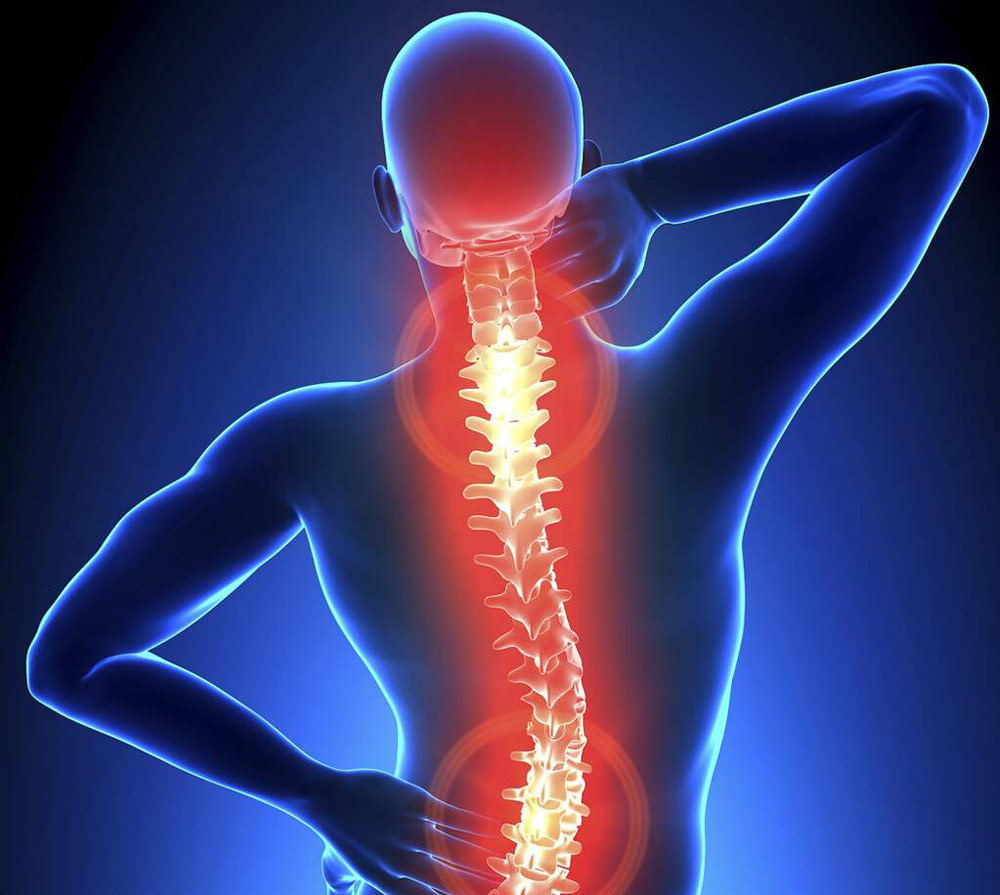
Anatomical diagram highlighting lower back pain, neck tension, and upper back stiffness common in horse riders due to posture and spine compression in the saddle.

Upper Back Pain

If you have upper back pain after horse riding the cause is having a slumped posture. This can be while standing, while sitting or while riding. Instead of sitting upright with arms and shoulders relaxed, riding, driving, computer work or even mobile phone use puts your upper back into a more rounded position. Having your arms forward, such as driving or riding, shortens muscles in your shoulders making a proper posture more difficult. This can also lead to neck and shoulder pain after riding.

How I Treat It

When treating upper back pain, I focus on releasing your upper trapezius, levator scapulae, and rhomboids, while also working on your chest (pectorals) to open up the shoulders. I combine this with thoracic spine mobility work so the upper back can extend properly instead of staying rounded.

After the massage I can show you simple postural resets and strengthening exercises you can do between rides. Many clients report their upper back feels looser, their riding position feels more upright, and they have less neck and shoulder tension after a few sessions.

Inner Thigh Pain

Inner thigh pain after horse riding can be particularly intense because being in the saddle constantly forces your adductors into a stretched position while simultaneously requiring them to work hard to grip and stabilise you. This is compounded by, once again, long periods of sitting or standing. Although squeezing with your legs might help to keep you in the saddle, it also tightens the muscles. In turn this can affect your hip alignment making a good riding position difficult and go on to cause lower back pain.

How I Treat It

When treating inner thigh pain, I use deep therapeutic massage to release your adductors and surrounding hip muscles. I also work on your hip flexors and glutes because tightness in one area often affects the others.

After releasing the tension, I can give you specific stretches and strengthening exercises to restore balance in the hips. This helps reduce inner thigh pain and often improves overall riding stability and lower back comfort.

Knee Pain

Knee pain after horse riding generally has 2 main causes depending whether it came on suddenly or gradually over time. If it was sudden, especially after a fall or abrupt movement, it is probably a strain or tear. This could be to a muscle, tendon or ligament and should first be checked out by a doctor to establish severity. If it came on gradually, especially after riding, the cause is more likely to be tight muscles in your leg.

How I Treat It

When a rider comes to me with knee pain, I assess the whole chain: ankles, hips, glutes, and quads. I then use targeted sports massage to release your tight quads and IT band that are pulling on the knee. I pay special attention to the gluteus medius because weakness here is a major cause of poor knee tracking.

After the massage I can demonstrate simple glute activation exercises so your knee tracks better and the pain reduces. Most riders I treat notice clear improvement in knee comfort within 2–4 sessions.

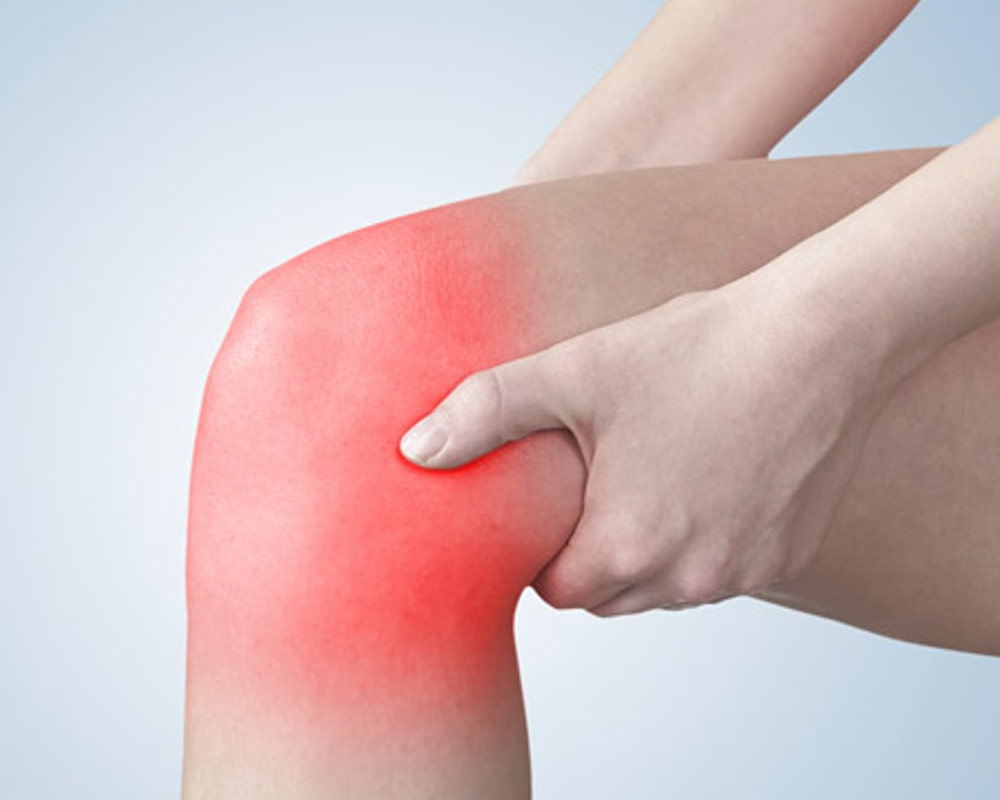
Close-up graphic highlighting acute knee pain and patella discomfort caused by constant stirrup pressure, tight quadriceps, and IT band strain in horse riders.

Sore Bum (Glutes)

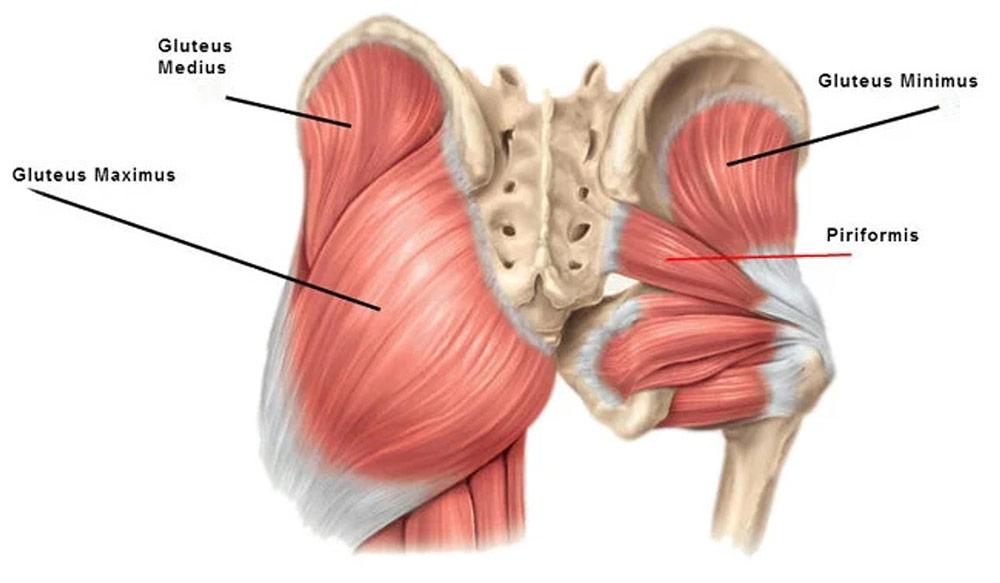
A sore bum after horse riding means you’re getting sore glutes, which is what the buttock muscles are called. The main muscle of the glutes is the gluteus maximus, with the gluteus minimus and medius beneath it. Their main job is to help you straighten up after bending forward as if to touch your toes. But lifting your leg out to the side and stabilising your hips is also part of their roles. As with hip pain after horse riding, a sore bum comes from your glute muscles being in a shortened position. As usual, this can also come from sitting down for long periods. Unfortunately the glutes are often weak or not working correctly but frequently neglected as a source of lower back and hip pain.

How I Treat It

When treating sore glutes, I use deep tissue and therapeutic massage to release tension in your gluteus maximus and the deeper gluteus medius. I also work on your piriformis and other deep hip rotators that often become tight and refer pain into your lower back or down your leg.

After releasing the tension, I can show you glute activation exercises so these important muscles start working properly again instead of the lower back having to compensate. Many riders are surprised how much better their lower back and overall riding position feels once their glutes are functioning correctly.

Anatomical diagram of the pelvis showing the gluteus maximus, medius, minimus, and piriformis muscles, which frequently become tight, fatigued, or compressed from horse riding.

How I Help Horse Riders In York

As a mobile sports and therapeutic massage therapist based in York, I work with a wide range of local riders. From leisure riders and weekend hackers to serious amateur competitors in dressage, show jumping and eventing.

Horse riding places very specific and repetitive demands on the body. The asymmetrical loading, prolonged sitting in the saddle, the need for strong core stability, independent seat, and constant micro-adjustments. This creates predictable patterns of tightness and imbalance which, over time, often lead to lower back pain, hip issues, glute tightness, tight hip flexors, thigh strain, and upper back/neck tension.

My Approach

When a rider books a session, I don’t give a generic massage. I start every session with a targeted assessment. I look at how you stand and walk, your pelvic alignment, hip rotation, and which specific movements or riding positions trigger your pain. I also ask questions about your discipline, how many days a week you ride and any previous injuries.

The Treatment

The massage itself is tailored to the individual rider and usually includes:

  • Deep release of your hip flexors and iliopsoas, which often become chronically shortened from being in the saddle
  • Targeted work on your glutes, piriformis, and deep hip rotators. These are common culprits for lower back and sciatica-type pain in riders
  • Release of your quadratus lumborum (QL) and erector spinae in the lower back
  • Work on your adductors (inner thighs) and tensor fascia latae (TFL), which take a lot of load when gripping with the legs
  • Upper back, trapezius, and shoulder release to counter the forward shoulder posture many riders develop
  • Gentle but effective mobility work to restore balanced hip and pelvic movement

Because I also have a background as an Advanced Personal Trainer, I don’t stop at just releasing tight muscles. I show you specific activation and strengthening exercises for the glutes, deep core, and stabilising muscles. This helps prevent the same problems from returning as quickly.

The Benefits Of Me Coming To You

One of the biggest benefits of me coming to you (whether at your home or yard) is convenience and recovery quality. After a good treatment session, your muscles are loose and your nervous system is calmer. You don’t have to jump straight into a car and drive home. You can stay relaxed, do some gentle mobility work, or even have a hot bath. Many riders tell me they feel looser in the saddle, have better pelvic mobility, and can maintain a more effective riding position with less effort after a few sessions.

Frequently Asked Questions

Why do so many horse riders suffer with lower back pain?

Lower back pain is one of the most common complaints I hear from riders in York. It usually comes from the combination of prolonged time in the saddle, absorbing the horse’s movement through the lower back, tight hip flexors pulling the pelvis forward, and weak glute muscles. Many riders also spend a lot of time sitting (driving to the yard, desk work, etc.), which makes the problem worse. The result is an overworked lower back and poor pelvic stability.

I get knee pain while riding and have to take my feet out of the stirrups to stretch – is this common?

Yes, this is very common. Knee pain (especially at the front under the kneecap) is often caused by tight quadriceps, hip flexors, and IT bands from the riding position. Taking your feet out of the stirrups gives temporary relief but indicates underlying tightness and imbalance. Targeted massage to the quads, hips, and IT band, combined with the right strengthening exercises, usually resolves this.

I have pain in my shins and the inside of my lower legs after riding – what causes this?

This is a very frequent issue in riders. The position of your feet in the stirrups often puts constant pressure on the muscles of the lower leg (particularly the tibialis anterior and inner calf muscles). This leads to tightness, aching, and sometimes pain on the inside of the shin. Massage to these areas combined with specific stretching usually resolves this.

I returned to riding after a long break and now have severe hip pain – is this normal?

This is very common. After time away from riding, the hip flexors, glutes, and TFL (tensor fascia latae) lose strength and flexibility. When you return, especially on a lively horse, these muscles get overloaded quickly. This often causes pain deep in your hip joint or radiating down your leg. Treatment involves a few sessions of targeted massage combined with gradual strengthening.

Can massage help with hip pain that radiates down to the knee and shin?

Yes, this often responds very well to treatment. Radiating hip pain is frequently caused by tight muscles (glutes, piriformis, or TFL) compressing or irritating nerves. I regularly treat this pattern in riders. By releasing the deep hip muscles and improving pelvic alignment, many clients see the radiating symptoms reduce significantly.

I get upper / mid back pain after riding – especially when trotting or after longer rides. What can help?

Upper and mid back pain is common, especially when returning to riding or increasing intensity. It usually comes from a rounded riding posture, tight chest/shoulders, and overworked upper back muscles trying to stabilise you. Massage to your upper back, shoulders, and chest, along with posture and mobility work, helps most riders a lot.

How many sessions will I need?

Most riders notice improvement after 2–4 sessions. If you ride regularly or have had the problem for a long time, I usually recommend 4–6 sessions initially. Many regular riders then book maintenance sessions every 4 weeks, especially during busier seasons.

Is mobile massage better for horse riders?

Yes, for most riders it’s much more practical and effective. After a deep treatment you don’t want to drive home straight away. Having the session at your home or yard means you can relax properly, do gentle stretches, or even have a hot bath afterwards. All of which help the muscles stay loose for longer.

Book A Mobile Massage

If you would like to book a mobile massage in York please contact me on 07713 250352 or email david@massageinyork.co.uk. Includes sports massage, deep tissue massage and Swedish massage. For more information on booking click here